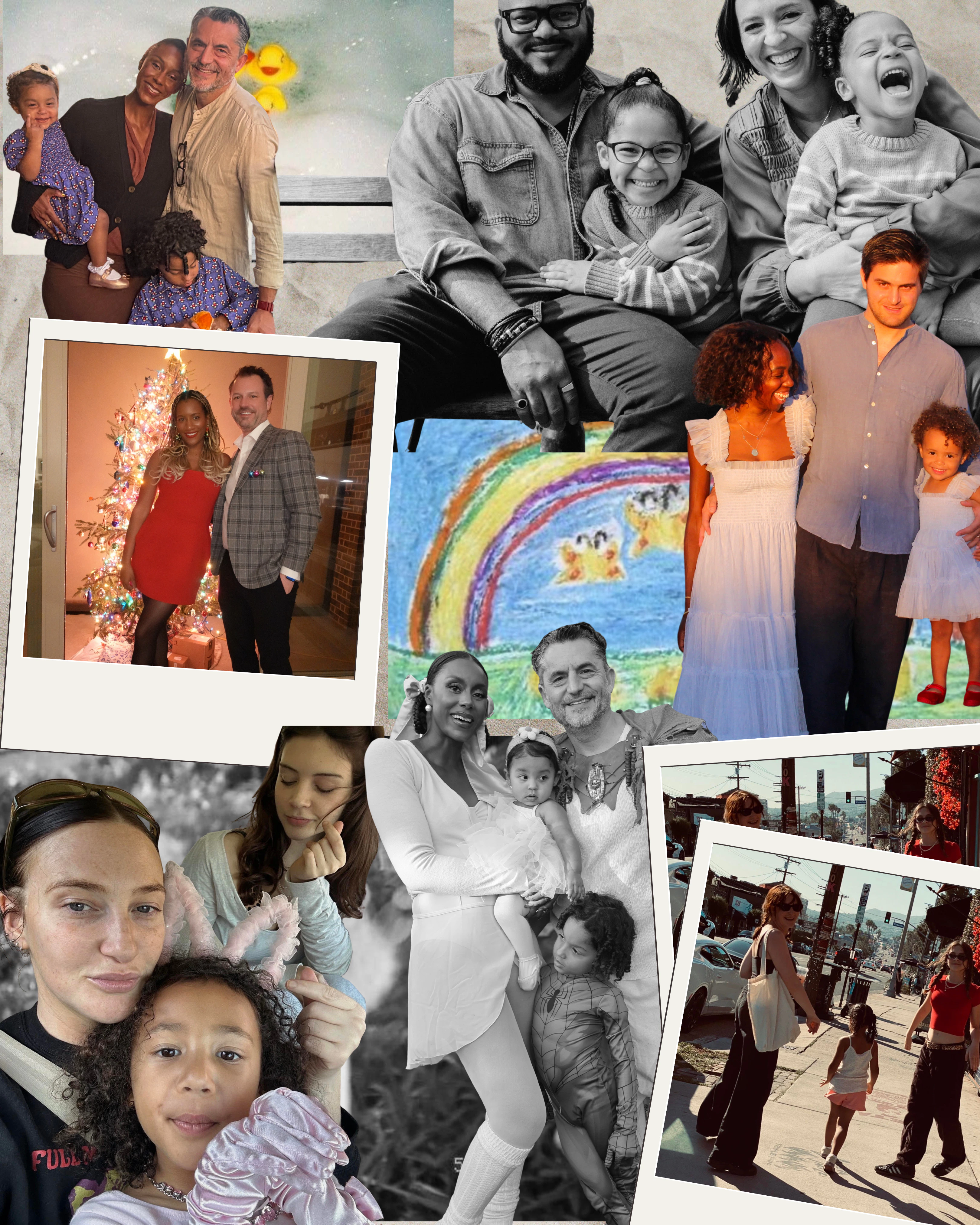
“You two would have such beautiful babies!"
Words by Danielle Prescod
“You two would have such beautiful babies!” is a phrase I hear near constantly since I started dating my boyfriend over two years ago. I happen to think I have the ideal combination of willpower and witchcraft to birth the most beautiful baby humanly possible (in addition, of course, to the beautiful existing babies that have already been born) but these people don’t know that and that’s not why they are saying that to me. They say this because I am Black and my boyfriend is white and people seem to harbor a sustained fetish for imagining combinations of mixed-race children, a practice as old and historical as America herself. I don’t really feel the need to justify this with more examples because a common and exhausting part of racism is the constant gathering of convincing evidence that racism exists or that a racist thing has occurred and I am a student of Toni Morrison in many ways, but especially in the way that I consider the overexplanation of racism to be “a waste of time.”
If this is my reality before I have even really committed one way or another to motherhood, I couldn’t imagine the minefield that mothers are navigating who have actually brought mixed race babies into the world. Therefore, I did what any writer does when they have a curiosity. I got on the phone with my friends who were moms to ask them about their experiences.
Just over a decade ago, Pew Research Center reported that 14 percent of children born in the United States were mixed race which was triple the number born in 1980. While it remains challenging to quantify births by race, it’s not hard to notice that there are more mixed race families now than any other time in history.
With that said, mothers of mixed-race children are presented with complex challenges, navigating the so-called well-meaning commentary of strangers notwithstanding. They have to balance an understanding that their children will move through the world differently than they do, no matter what side of the racial coin that they fall on. They have to educate their kids on the duality of their identities while also maintaining an open and honest dialogue about the racial history of this country.
The most beautiful part of working on this story was seeing how these mothers were tackling these challenges and what they are doing to ensure that their kids don’t feel like half of anything, to guarantee that they are raised proud and whole. I was so humbled by the conversations, by the thoughtful and protective ways that they are raising their children and I was honored to listen. Here’s what they had to say:
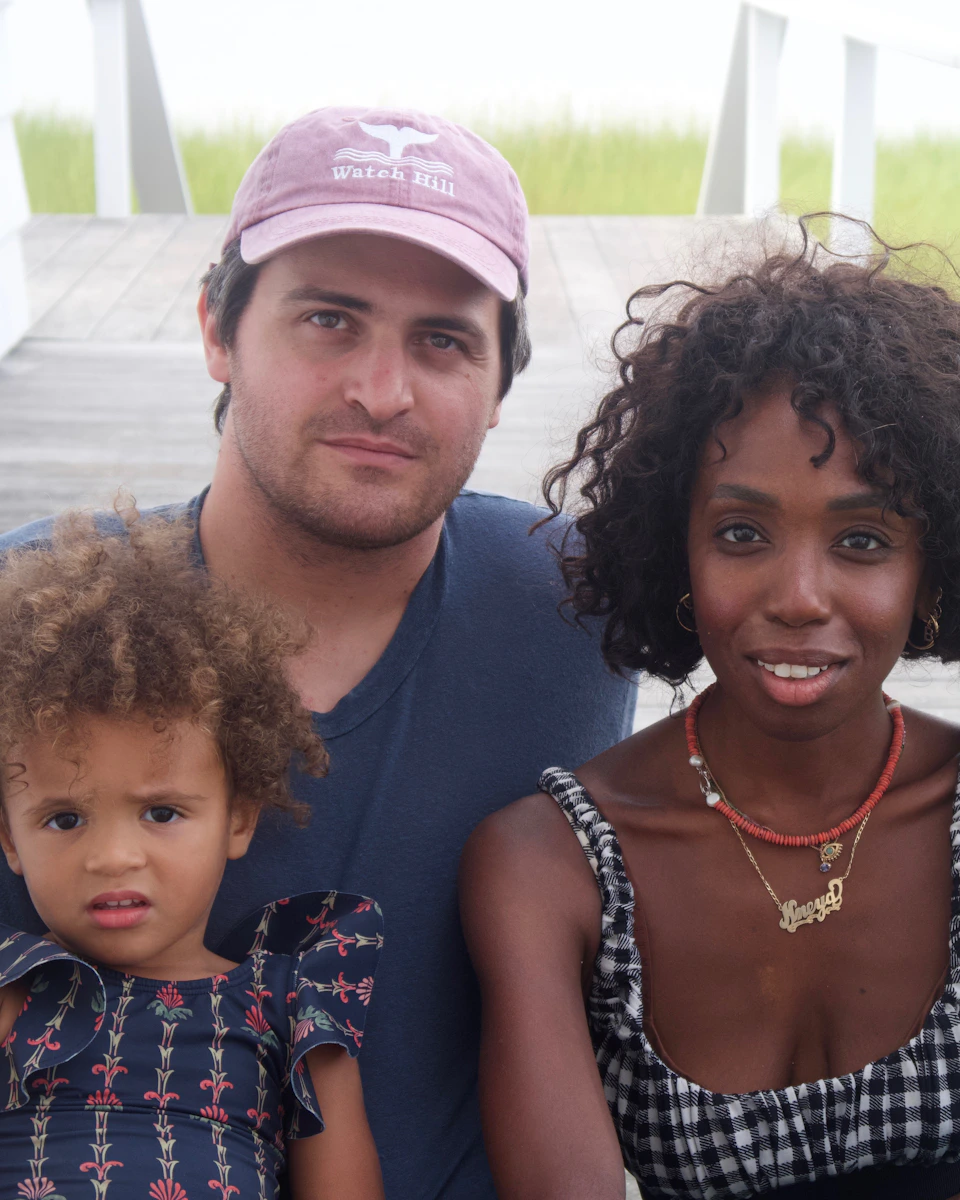
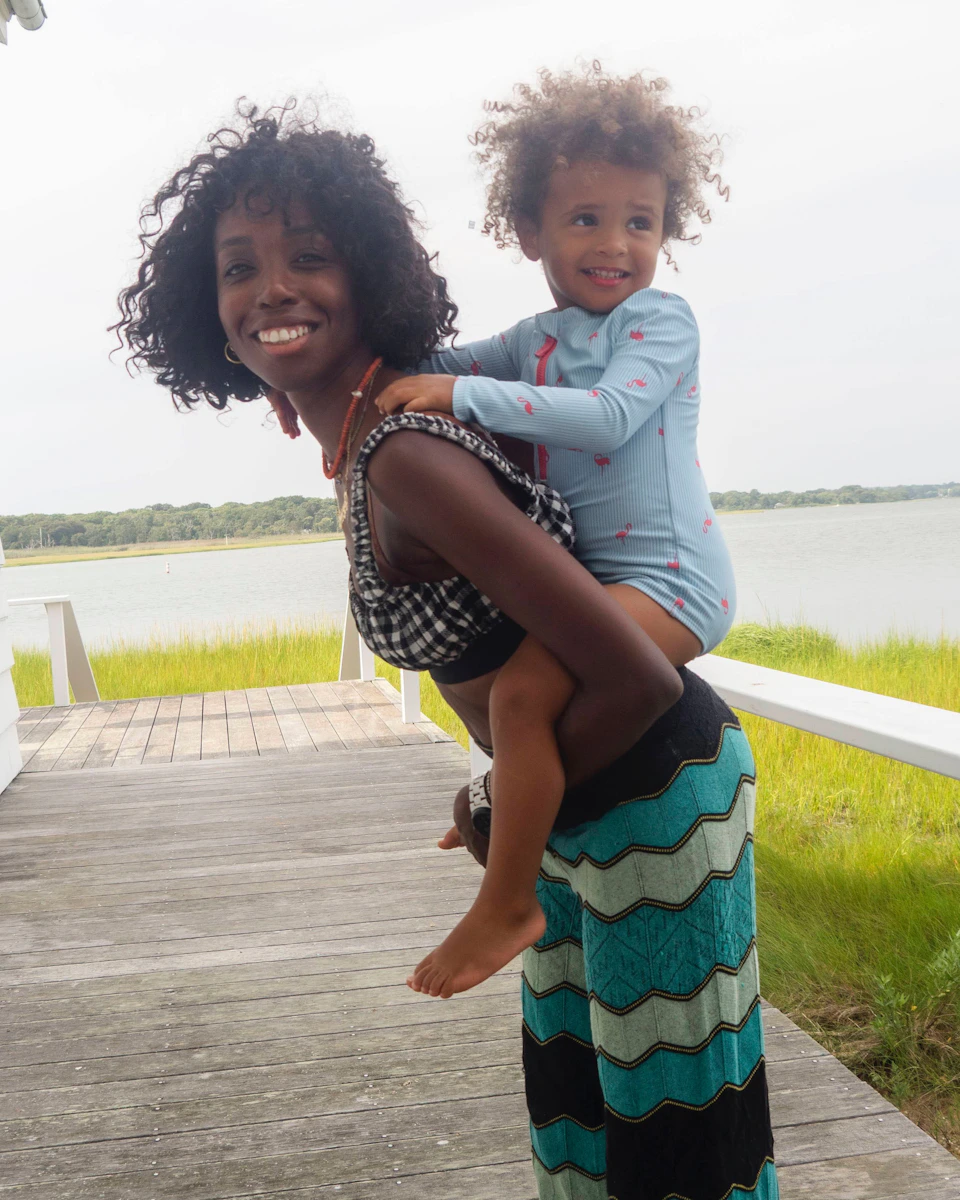
Nneya Richards, mother to Blue, 3
“I'm a Black woman, so that's the best way I know how to raise her in terms of the amazing beauties of being a Black woman. That's important to both Michele and I and, and for him, the whole idea, of doing the work as a partner is a whole different story than doing the work as a parent because she needs to be able to come to both of us should something happen and he needs to have the right reaction should something someone say something to her. I'm always watching if someone is going to touch her hair and he's about to brace just as much as I would. I had to feel comfortable that my partner is doing right by our daughter in that way too. It adds a whole other layer of being an interracial relationship.”
“Michele did a lot in preparing his family, preparing his parents. I noticed that that year [she was born] he got his dad the Trevor Noah book Born A Crime for Christmas. We usually got his dad a coffee table book and another book and Michele added that to the book list. So in subtle ways, it was that kind of preparation.”
“She goes to a bilingual school and on the surface a lot of people assume that it's because we speak English at home and we want her English to be fine. We're not that worried about her English. A bilingual school here attracts more international families and we wanted to make sure she was around kids of different races. So that was our thinking: How do we make sure that she has a rich cultural experience? It's constantly learning as you go and adapting in your environment.”
“I always worry in terms of mixed-race friends that I've known, it's always like a grandma of the white parent that says the f’ed up thing. It hasn't happened for us but I'm always waiting a little bit. Whether it's unintentionally or intentionally. I don't see it happening ever intentionally on our part, but because those are the experiences I've heard, there's no room for that kind of stuff. And just like with an old uncle in my family, there's always been no room for them to say a homophobic thing. I feel like in Italy people let the old people slide for stuff way more. I'm like, no, there's no room for that.”
"As a dark-skinned Black woman, I want to be able to teach her about privilege without being preachy about it. You know that joke that you don't want to raise a 'problematic biracial'? I think that is a concern of mine with any kind of behavior like that, I would want to nip it in the bud."
“She has awareness about her hair and I think it's a point of attraction here. People call her a little curly-haired girl, like the old people that see her in the street, but in a sense of pride so she sees, and she notices that about her identity. And so she's like, ‘That baby has flat hair’ and I'm like, ‘Yes, and flat hair is okay too.’”
“As a dark-skinned Black woman, I want to be able to teach her about privilege without being preachy about it. You know that joke that you don't want to raise a 'problematic biracial'? I think that is a concern of mine with any kind of behavior like that, I would want to nip it in the bud. Because of that, I'm probably more overbearing about being empathetic, more than is necessary, about her being kind to people, especially to other kids of color. I’m recognizing that in myself that I don't want to project that onto her but I am definitely aware of it and conscious of it. For me, having even mixed-race friends or people in my family, I feel comfortable kind of calling upon them as a village. I need her to have a sounding board of other Black women besides me that she can always feel comfortable going to if we don't have the same experience.”
“You especially get from Italians, they say ‘It's amazing how she gets so tan.’ or ‘Oh, she has the perfect complexion,” and I still can't tell you how to navigate that. No mom that I've spoken to raising a mixed race child has figured out how to navigate that. But that being said, from my grandmother, she was like, ‘She shouldn't be out in the sun too long.’ So, I have that on the other end too.”
“What's important to me about raising Blue is the whole idea of not seeing Black women as a monolith, making sure that there is someone for her to relate to and that it's not just me or my mom because what if she just totally doesn't vibe with us? Like, what if we're not like her kind of women. So you have to be aware and have access to people that are not you. It can't just be you. With your partner, there has to be the intentionality of that too, and conversations that they might not have thought about having things that they never thought about. I think Blue brings a lot of things to the forefront. The U.S. right now brings a lot of things to the forefront. Raising someone in the post-Obama era is very different now.”
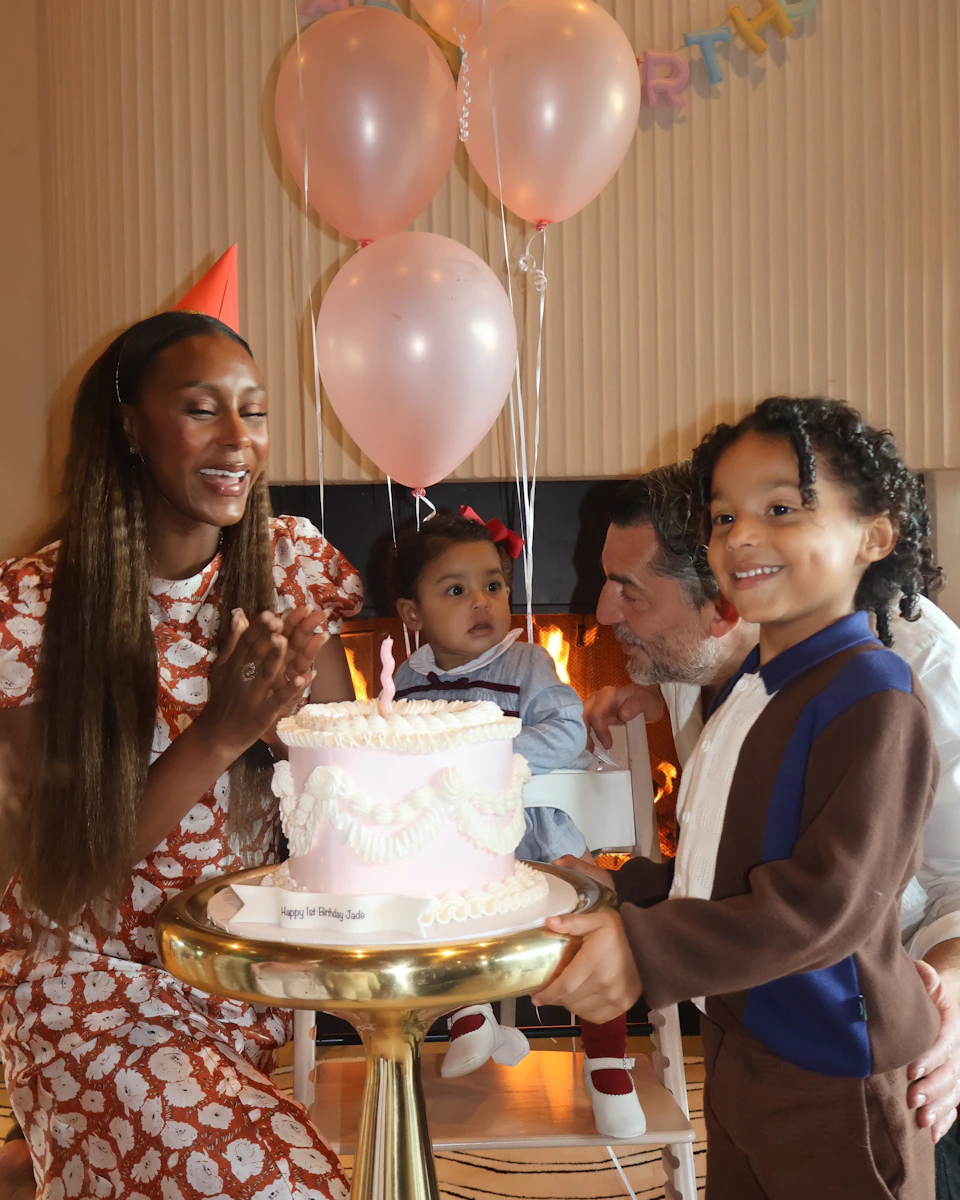
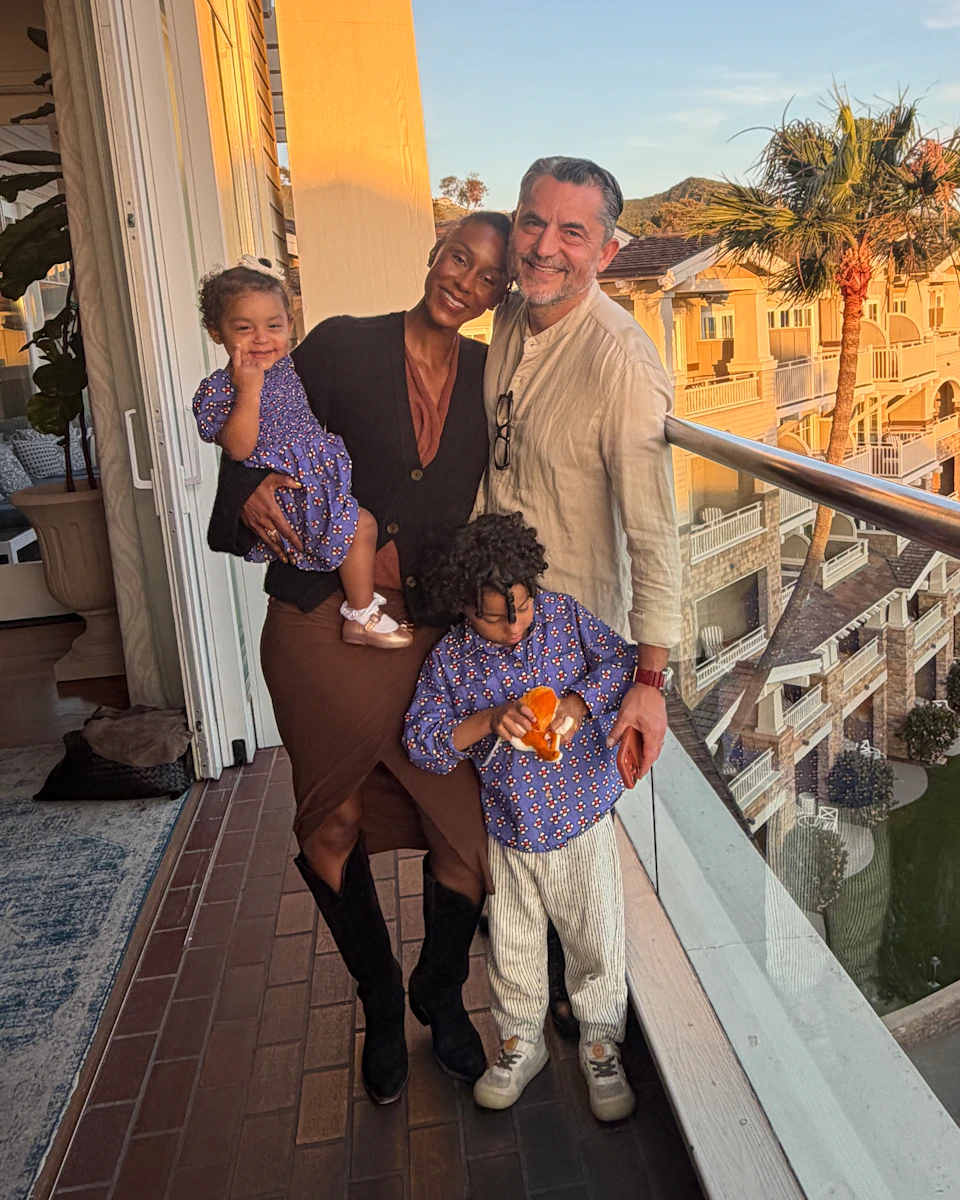
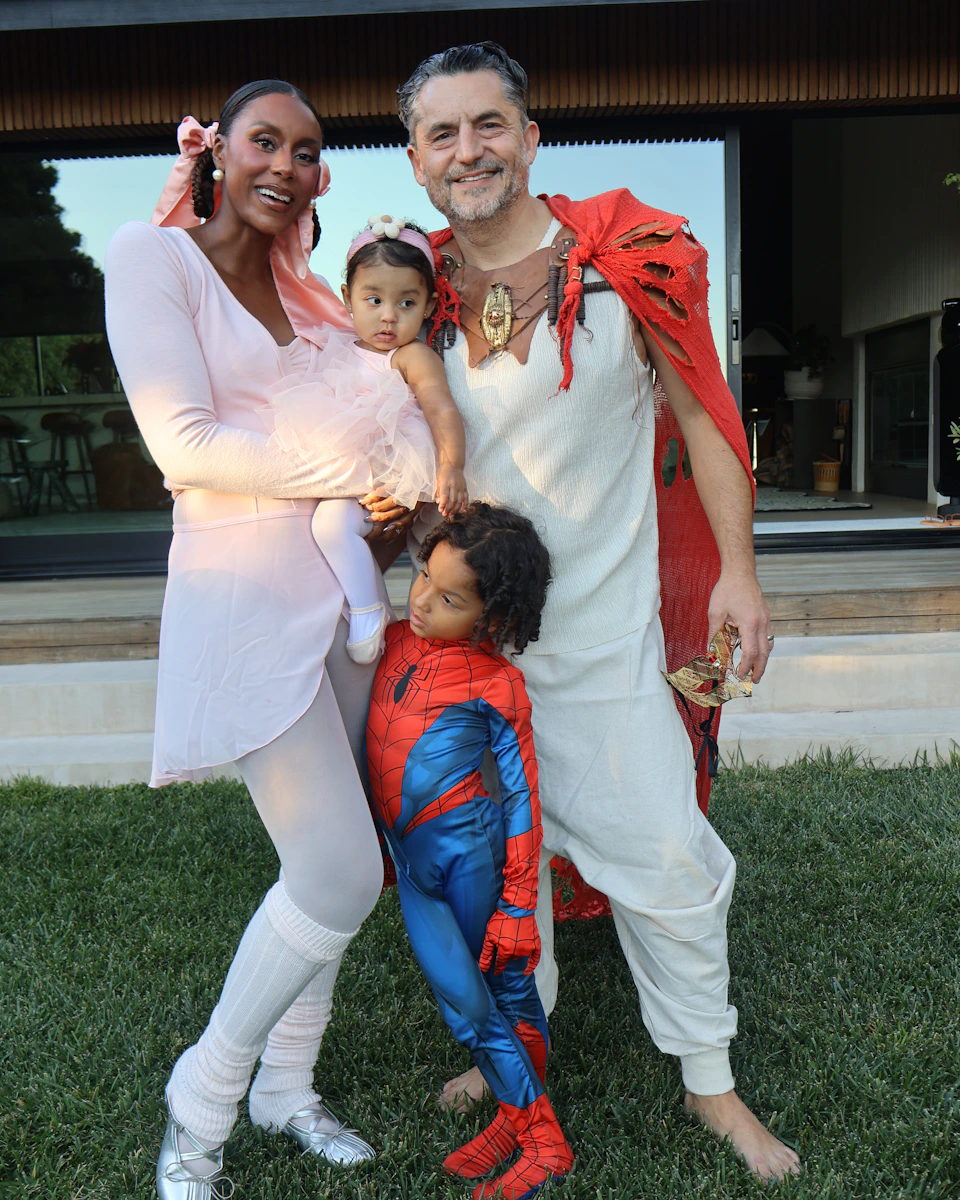
Brooke DeVard Ozaydinli, mother to Mavi 5 and Jade 1
“When we first moved to L.A., the first school that we went to was not diverse. I can remember going to the school gala and it was a preschool for three-year-olds to six-year-olds but it was three or four classes together and I looked around that room and I said, ‘I'm the only Black parent in this room.’ That was very triggering for me. I needed to make a very concerted effort to find a diverse school here in Los Angeles because I do not ever want my children to be the only one in the room. Now when you're three, arguably Mavi didn't even realize, and I feel grateful for that but we're now at a school that reflects the racial and economic diversity of the world because I think that's also very important as well. Having grown up in New York, it's just such a culturally rich place so I think about things that I did growing up, like taking dance classes at Alvin Ailey, going to the Schomburg Center for Research in Black Culture in Harlem and all of these things that I had access to, in L.A., it's a little harder. You have to work at it to do the cultural stuff, but we do. We have a LACMA membership that's free for Los Angeles residents and we try to expose our kids to art often so that we can teach them about different cultures through art. You have to be much more proactive about it versus in New York, I feel like you can kind of just stumble into a museum.”
“I will say that from a very young age, my parents talked to my brother and I about the Black experience, Black history, and slavery. That was something that we were hyper aware of even before we started learning about it in school and I would say that my son already knows what segregation is, and Jim Crow and he's five-years-old. He knows about the Harlem Renaissance because we have a book about Josephine Baker and also he's very aware of racial dynamics. I haven't waited for school to teach him that. When he does learn about it in school, it'll be a nice reinforcement of what he's learned at home. My parents definitely went out of their way to teach us that. The way that the education system's going in this country, you may truly not even learn about Black history and it's crazy to say that in 2026, but I think that as parents, you just can't wait. That should go across the board for all parents. Black, white, Asian, Hispanic, you have to teach your children the history of this country.”
“We got a lot of ‘Oh, your kids are gonna be so beautiful. So exotic,’ My husband is from Turkey which has a very different culture. I think outside of the U.S., people are a lot more forgiving about these things. But I would say to him, you can't even indulge that statement because it's anti-Black. It's basically saying that monoracial children aren't beautiful. And he's like, ‘No, that's not what they mean. It's just that a mix is so beautiful!’ So even in my rejection of that compliment that let me know very early on, we're not even on the same page about this. He saw it as this harmless, innocent comment and I'm like, ‘This is the underlying assumption that's being made here.’ So even receiving those compliments was ground level zero for us unpacking these race conversations. What we did come to terms with was the fact that we are going to have children that don't have my experience as a Black American, and they will not have your experience as an immigrant from Turkey and being white-presenting so we knew that we would have children whose experience and the way that they moved through the world was not like either of ours’, which is uncommon. Most people don't have to navigate that. So we spent a lot of time talking about that and realizing that once our kids were here, we would have to educate ourselves.”
“We took a class about embracing mixed-race kids and I learned interesting stuff there. I learned that you're not supposed to say biracial because that's assuming that it's two and you can't look at someone and know if they're biracial because you could be like half-Black and then also Dominican and Portuguese. That's why you're supposed to say mixed race. [The class was] through our school. We live in California and California, which has the third highest rate of mixed race kids in the U.S. so it may be something that the schools in California lean into. And then we got book recommendations about how you talk to young kids about having a mixed identity. We love a book called Cake Mix: Learning to Love All of Your Ingredients. [Education is] getting the right books, talking to other parents that are in our situation, taking classes, and learning the right language.”
“Right now, I'm rotating between braids and a slick back bun because the curls of it all. Something would have to go for me to style my curly hair every day because I just simply don't have time. But I do think that as my daughter gets older and I want her to love and embrace her curly hair, I could imagine that she would at some point say, ‘Well Mommy, I don't see you wearing your curly hair,’ which is a very valid question. I have a few years until she gets to that age of awareness to mentally prepare myself for styling my hair every day.”
“Through my podcast, Naked Beauty, I have interviewed so many different women. One of the things I continually hear from mixed-race women is 'I wasn't Black enough for the Black girls. I wasn't white enough for the white girls.' This is a very common theme that I hear from a lot of women I interview where they feel like they were not accepted into one group or another and I don't want that for my daughter. I don't know how to prepare for that. I don't know if there's a way to mitigate that. I don't know if there are women that are half-white and half-Black that have never experienced that. I never felt like that was something that I had to deal with.”
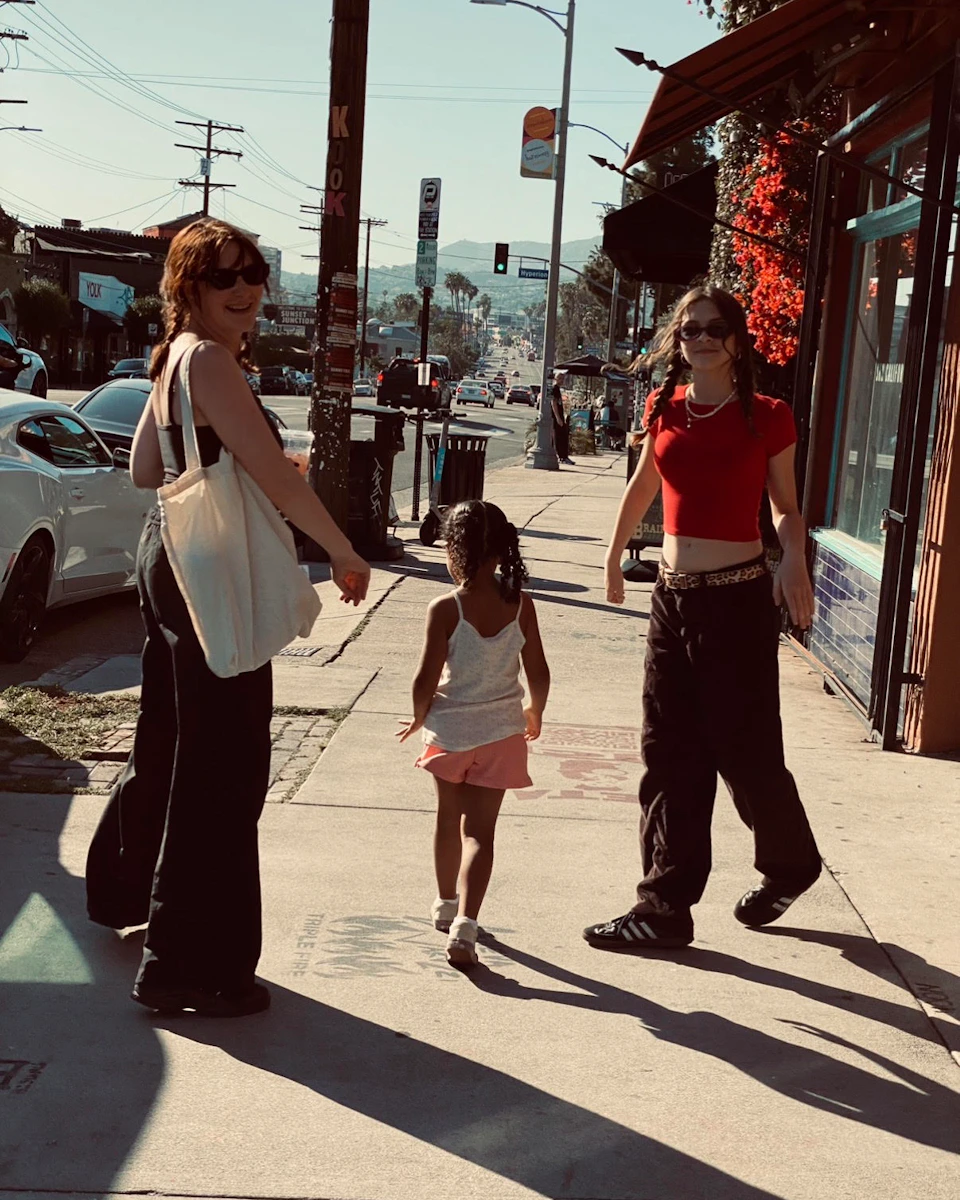
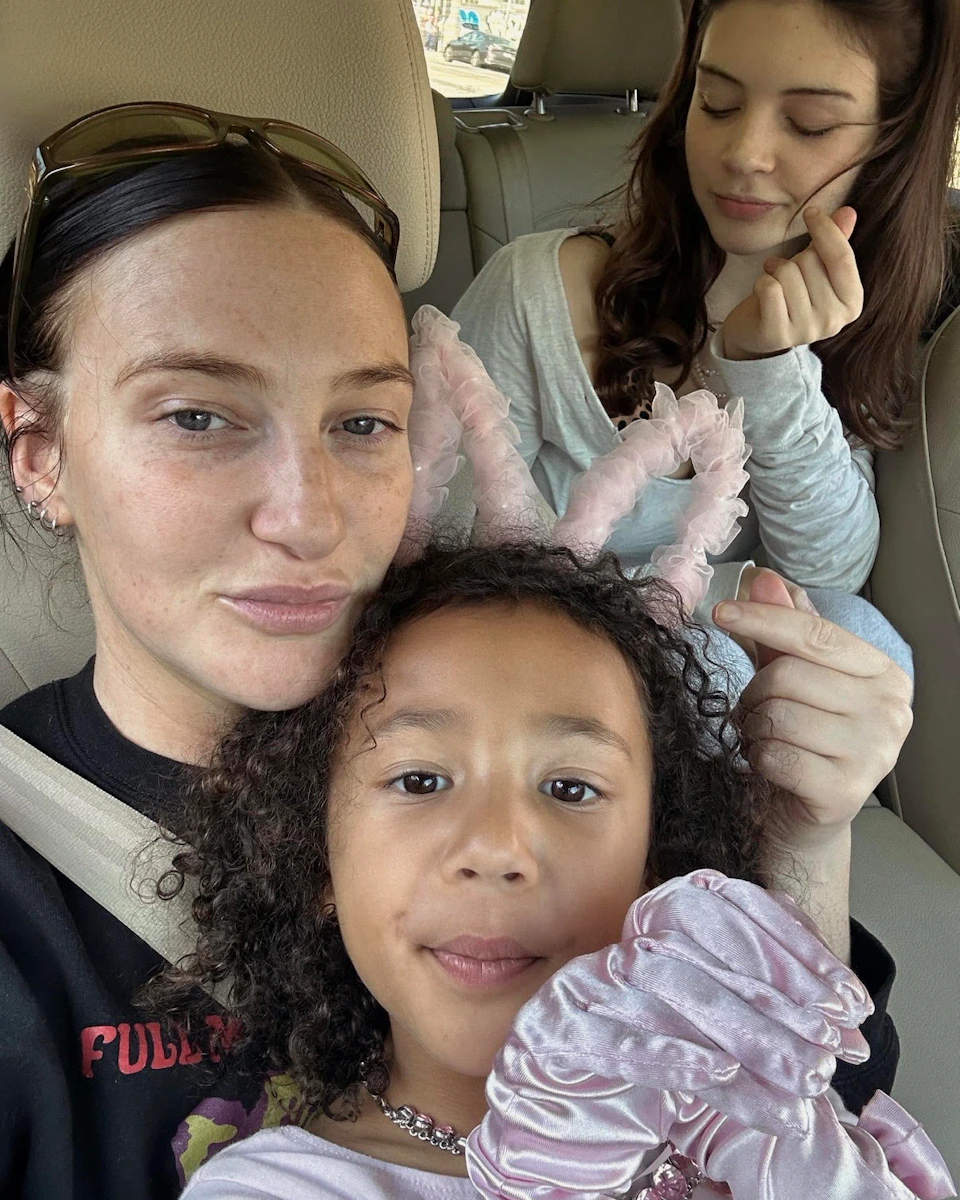
Faith Hitchon, mother to India, 14 and Imani, 5
“I think that as they get older, it'll be more about letting them take the lead on their feelings and the questions that they have and how they want to handle the conversations. That'll require more ego checking and another layer of self-education on my side. There's a layer of education that comes with raising children in general and then I think there's another layer of education that comes with raising mixed-race children, especially as a white mom. I’m also making sure there's lots of access to their communities. I'm lucky that I have a lot of amazing Black women in my life who have been very generous with me. From hair to books to music. Being raised by a Black family culturally encompasses everything; it's food, it's music, it's what T.V. you're watching, what movies you're grown up with. It goes that deep. To close that gap for Imani of not feeling like she is having a fully different experience, I want to invest in what those cultural experiences are as best I can. I've had a lot of people, who don't owe me that layer of education, be generous in their education and help me spot my own blind spots. For example, a friend of mine who is also raising mixed-race children. She's not white, but she mentioned to me at one point that when her daughter turned 13, she got her a therapist who was also a Black woman. And I think that that was something that stuck for me I would’ve maybe not considered but is now something that I want to do for Imani as soon as possible. I was able to do it for India like two years ago. So that is like another layer that I think we'll get to eventually. But luckily it's been communal education for the most part. I’ve read some books, but I think that I've learned more from the people around me to be honest, who have been generous with their knowledge.”
“It's interesting they've approached it from opposite lenses. I think India consistently wants to claim identity because she's white passing. Especially in school, especially being in L.A., where we have a very diverse school system that we love, she's had moments where she's been called a ‘white girl’ and, she knows that that's true, but also there's a part of her that's like, ‘but I'm also this,’ and that's really important to her. For her it's a constant grasping at claiming that thing that doesn't present fully forward in her. And then for Imani, it's the complete opposite. She will tell me,’ I wish that I was white too’, or ‘I wish that I had blonde hair too.’ Sometimes, she will go the opposite way and say she wishes that I was Black like her. Those things are surprising, but it's not about me. I wish that I could not have her feel that between us but in those moments, I do talk about the similarities that we do share and then we'll talk about the things she has. We really try to help her understand that there are differences between everyone.”

"Whatever it takes to prioritize them, to make them feel comfortable and seen and heard in the world, is what I’m gonna give them. The one thing I could do for them is try to not make it about me. It feels like a very small sacrifice."
“In some places, there will probably be blind spots for me, I’m a human and a mom but growth and love are my priority always as a mother. When I chose to have children, I chose to prioritize their experience over mine. I think that's just the choice that you make as a parent. Sacrifice is inherent in the decision. And I feel like when I made that choice, not in an unhealthy way where I don't care for myself on a basic level, it's not about me. It's about them and I love them more than I love anything in the entire universe. So whatever it takes to prioritize them, to make them feel comfortable and seen and heard in the world is what I’m gonna give them. The one thing I could do for them is try to not make it about me. It feels like a very small sacrifice to me. But I know it can be hard because you want to be the closest person to your kid or you want to foster whatever that is in parenthood that keeps your kids really close..”
“It's been a conversation we've had from the very beginning. It started with making sure the words she used around Imani were coming from an aware place, then more detailed nuanced things like being respectful of Imani’s hair. Something that I feel really strongly about is a very low tolerance for the inner sister-bullying that can happen sometimes, especially older sister to younger sister. I'm like: Your sister is going to deal with enough in her life in terms of microaggressions and macroaggressions and I think that the one person that I want her to feel safe with is her sister. I think that it's really important as the person who has more privilege in this situation, India understands that and she's approaching Imani with love, care, and understanding. Obviously not in a way that will diminish the authenticity of their relationship, but in a way that is just really important for her to be aware of as they grow up. She will be a foremost presence in Imani’s life, I will fade, and I want India to be aware of that and be a safe space for Imani as much as she can be.”
“There was a trend around sharing white mom trauma at one point on TikTok. And I went down deep rabbit holes of what did they do wrong? There's a part of me that inherently feels like I might cause harm by being a white mom and carries immense, complicated feelings over that. I'm hyper-aware of it. I think all of those experiences are valid. It gives me immense anxiety because I'm terrified of causing harm both as a human trying to raise kids and the mistakes we make then the layer of being a white mom to bi-racial children. It’s complex for me and I try to be aware of decreasing the harm as much as I can in both respects. I will never fully understand Imani's experience in the world and I wish that I could because as her mother, I think the one thing, especially as a girl, that you want is for your mom to get it—to inherently understand you. There's a part of me that would give anything to be able to do that for her. But yeah, I feel like there's probably some legitimacy to the white mom trope at the end of the day.”
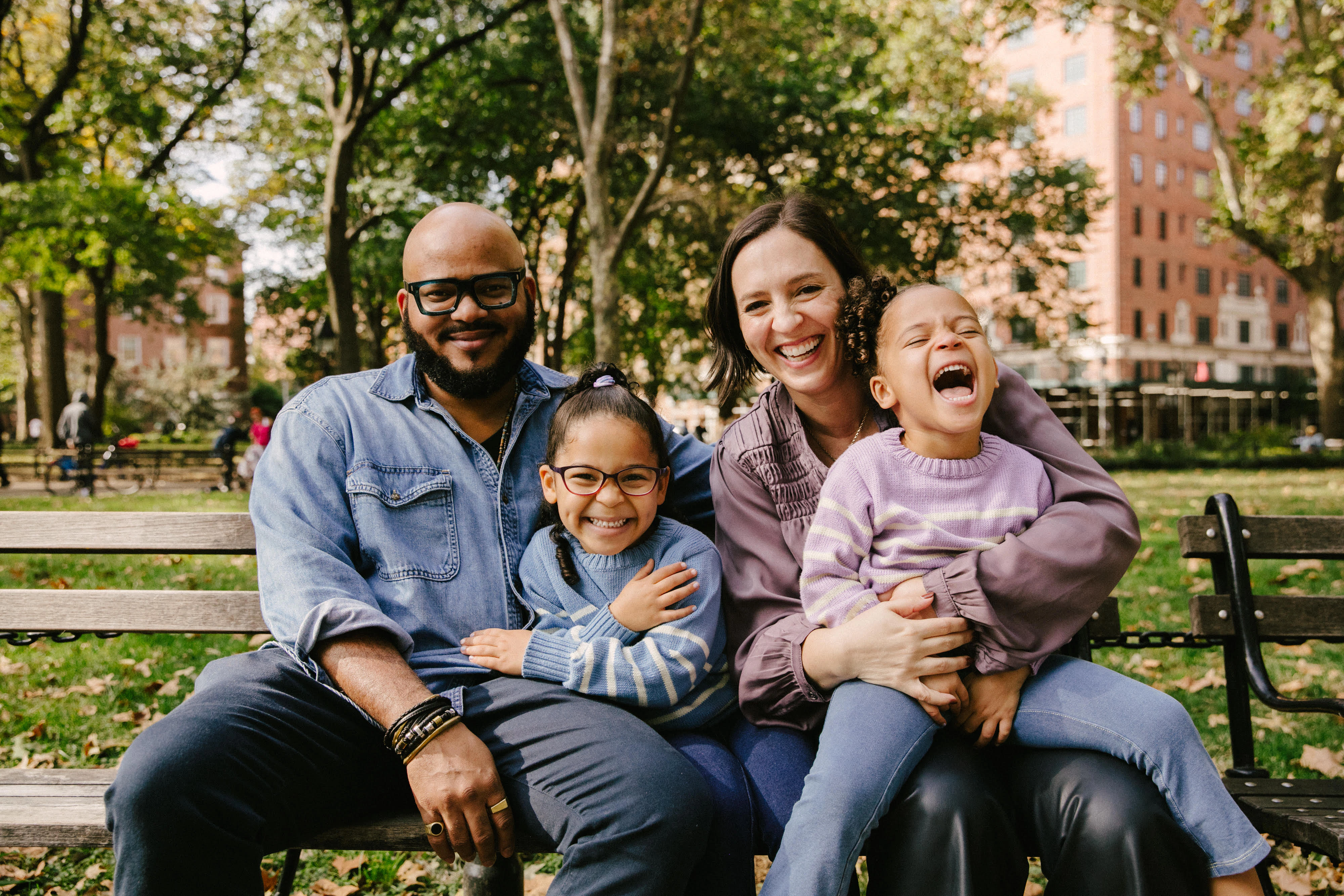
Gena Kaufman, mother to Nora, 5 and Mae, 3
“We talk about race a lot. We try to talk about it really openly and matter of factly. We don't want them to think it's a weird thing to discuss. I think that's very much what I feel like I was raised with, not overt racism in any way, but very much we don't just say someone's Black. Now, we always talk about: Mommy's white, daddy's Black. You are both. We talk about that with their friends too. They have Black friends, they have Chinese friends. We just try to make that a matter-of-fact part of the conversation. Everybody's skin is different. The other day, Nora was like, ‘I know you're white, why isn't your family white?’ And I was like, ‘What do you mean? My family is 100 percent white.’ And she was like, ‘Well, Grampy looks white, but Nani doesn't really look white.’ My mom is of Italian descent, but she's also really into being tan. They spend half their year in Florida and don't believe in sunblock. Then I had to explain that some white people are tanner and some people are pale, just like Black people some have much darker skin, some have lighter skin. They’re kids, there's only so much you can explain in terms that make sense to them. We try to be pretty frank about things. We try to talk about Black history. We try to talk about how Black people didn't always have rights in this country, again in ways that feel age appropriate for like a five-year-old, but I think we just try to be as matter of fact about it as we can.”
“I grew up with no diversity. The town I'm from, even now, I think is probably like 92 percent white. I didn't feel at the time that I was raised with racism. There was no like speaking badly of people of other races. There were no slurs or derogatory words but I can see now as an adult, there's a lot of things that were implied or inherent in people's views. I didn't want my girls to grow up with that. I wanted them to grow up somewhere where there were a lot of kinds of people, not just one kind of person, whether it was what they were like or not. Growing up for me, race was like a verboten thing that you weren't supposed to talk about.
“I think it's hard to know what you should be proactive about. There's sometimes a back and forth in my head where I'm like, I want to be open with them, I want to talk to them about this stuff but I also don't want to plant ideas in their heads at three-years-old. When we're talking about Black history, I don't want to be like, well white people treated Black people very badly and told them they didn't have rights to things and I don't want to plant an idea in their heads that they are lesser when that's the opposite of what I'm trying to say. At the same time, I want to be honest about history. It feels a little bit like that with family stuff too, where I don't want to be too proactive and make everyone feel weird about something that they weren't even doing wrong. I also don’t want it to get to a point where I’m like, why didn't I say something before? I think we've probably been pretty conflict-free for the most part. My sister has two little boys who, they're such good cousins and we've never had any weirdness with them. But I don't know if that day will come where they might say something weird about their hair or their skin and I'll have to be like, ‘Hey, you need to talk to your kids about that.’”
“People are just a little weird with comments. I remember one time when I was out with Nora when she was a baby and Jermaine wasn't with us, and someone was just like, ‘Oh, that baby must look just like her dad.’ And I thought: What a weird thing to say to a perfect stranger; you don't even know what her dad looks like. That felt racially-coded to me. I guess she didn't look like a white baby. People probably say weird things to me about them being girls more than they do about them being mixed-race, but maybe that is also a function of having raised them in a predominantly Black neighborhood.”
“I think about their hair all the time. We do their hair every day. I would feel very nervous to have their hair messy, which it is sometimes, obviously because they're kids. But that said, I think probably I feel more judgment in my own head than I've ever felt in real life. I have found the Black women in my circle and just in the neighborhood to have been the most supportive people in my parenting journey. The daycare where both the girls went is run by Black women and the owner does their hair sometimes. Probably one of the first times Nora had her hair braided was by her daycare teacher and it was so beautiful. We were taking the bus home and a Black woman was like, ‘I love her hair. Did you do it?’ And I thought: Ah, I wanna say yes so bad. I want you to be proud of me. I want to lie. But I replied, ‘No, I didn't.’”
“Surely I will embarrass them in some way, but I am striving not to be at least the stereotype of the white mom raising mixed-race children. I'm sure I'll make mistakes. Motherhood is a series of mistakes that you learn from but I am trying not to make the really big ones and if and when I realize I have done something incorrectly, I will stay open to correcting it rather than digging my heels in. I want to be a good mom, not to have a good mom badge. I want my kids to feel supported and that I taught them how to be successful adults on their own. So if they're telling me I did something wrong, I am going to think okay, I want to do it better going forward. It's not about winning an award, it's just about trying to do the best for them. There will always be a learning curve."


Danielle Prescod is the author of The Rules of Fortune and Token Black Girl, a 15-year veteran of the beauty and fashion industry, and a graduate of NYU’s Gallatin School of Individualized Study. She dedicates her time to researching how feminism and social justice intersect with pop culture. Her Substack, Highly Recommended covers cannabis as well as current events. Recently, her work has appeared in Porter magazine, Harper’s Bazaar, Elle, The Cut, and Marie Claire. For more information, visit www.danielleprescod.com.