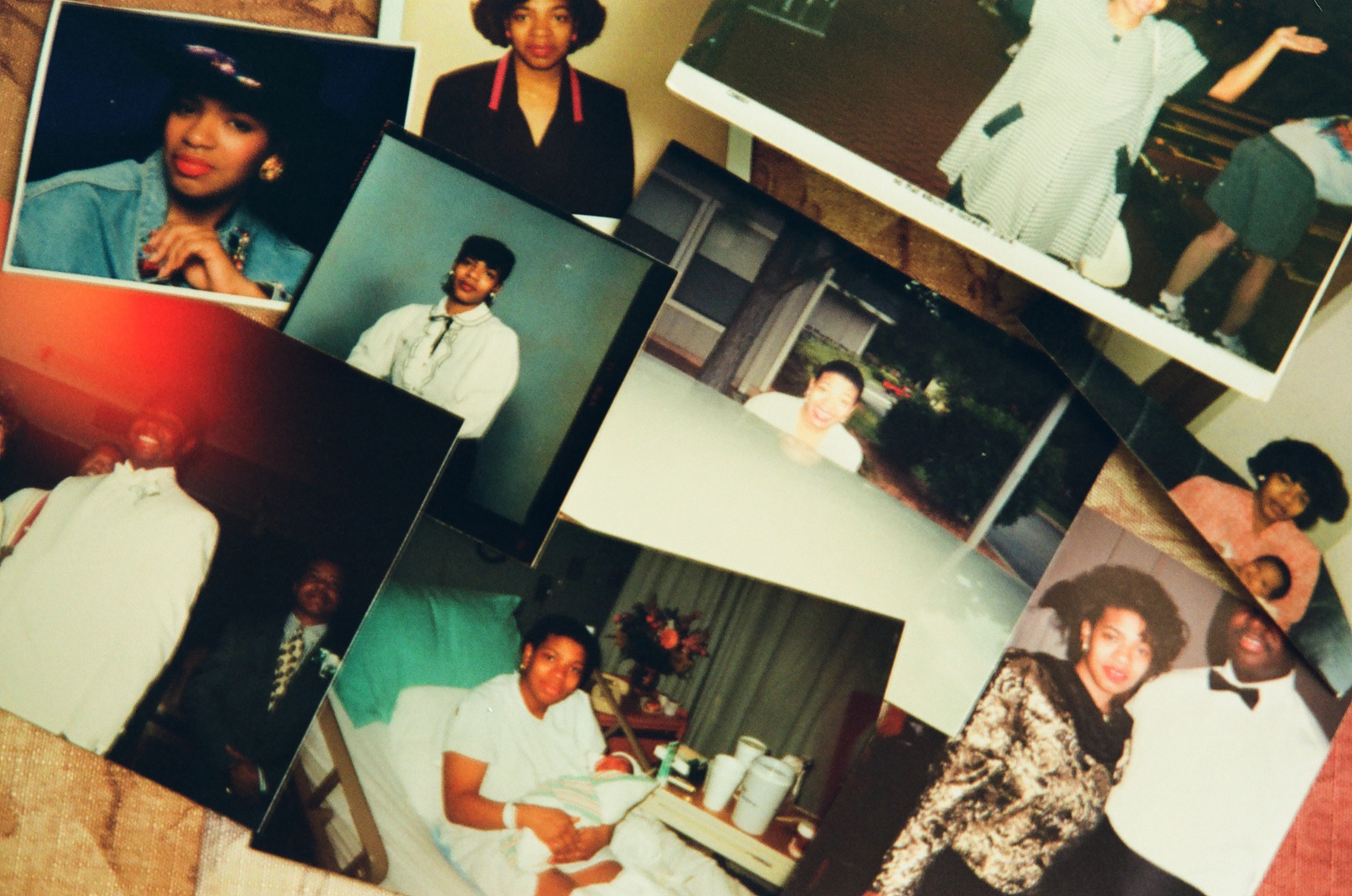
My Mother Never Taught Me To Romanticize Life, She Taught Me To Survive It
My mother never taught me to romanticize life. She taught me to survive it—endurance, abidance, and protection versus pleasure. To armor up for protection as opposed to unfurl at the possibility of pleasure. My mother taught me an obligation to suffering that chipped away at the joy of life. She taught me how to hold heaviness in different ways, like keeping words hostage on the tip of my tongue or sculpting my life around everyone else’s comfort rather than my own necessity. It was never in any spoken way, but in all the ways I’ve examined her walk through life, as if something to be endured rather than lived.
I never felt the depth of her dreams. I never witnessed her unfold into the heart of life—only become consumed by the weight of it. Encumbered by the demands of her role, it became her shape: a configuration of duties that left no room for the woman at the core.
There never seemed to be much capacity for her to aspire to be anything beyond a mother. A utility. An exertion of labor that didn’t too much offer anything in return.
In this current stage of womanhood, I’ve found myself caught between the tension of carrying my mother’s survival and yearning for a softness that allows me to nestle into life more deeply.


"My mother taught me how to hold heaviness in different ways, like keeping words hostage on the tip of my tongue or sculpting my life around everyone else’s comfort rather than my own necessity."

I do not fault my mother or the women whom I come from. Society takes part in praising the ability for women to hold it all together—to be the balm, to be the glue, to be the structures on which everyone else stands. Women are pushed into a place of over-functioning, thinking that it is being done for the sake of those who depend on us and that it is our highest honor, when in reality it is a form of self erasure: a means to merely get by.
Survival is a concept that women have been taught to glorify. To grasp as a badge of honor. It’s this thing that society has exalted in order to keep women functional enough to play our roles, yet stripped of the ability to consciously participate in the rhythm of our own lives—fully, and without restraint or restriction. The glorification of survival, of taking on everything for everyone and being resilient under that weight, is a rhetoric that masks the reality of our obligated toleration. A rhetoric that tells women that we are monuments for enduring, that our suffering should be received as an accolade for our ability to keep it all together. Praising survival mode is a way to wed women to their duties, while restricting our capacity to live in devotion to ourselves.
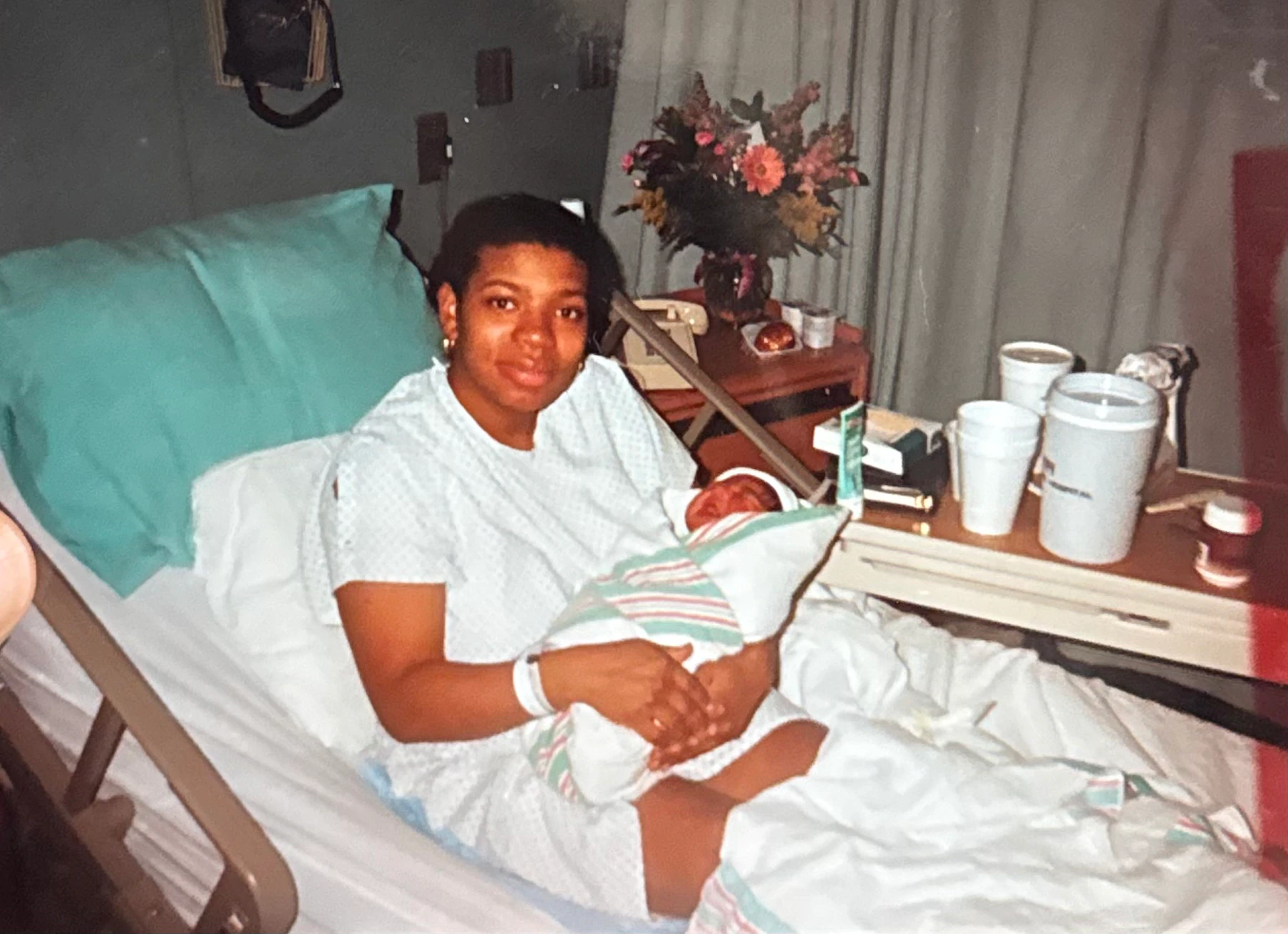
There’s this theory called separation-individuation, developed by Margaret Mahler. It’s the process of a child forming an individual identity separate from their mother, developing a distinct sense of self, usually between birth and age three. But for daughters who carry the weight of their mothers, I think this separation actually develops later in life. At least, that has been my experience. In my late twenties, I feel like I have only just started the process of gaining a distinct sense of self—separate from my mother and what I’ve inherited from her. I’ve allowed my identity to be informed by her, but not made up entirely of her parts.
And this is important, that daughters don’t go their entire lives adorned in the armor their mothers dressed them in. I look around and realize I’ve been living from a place of what my mother endured, from her capacity and her fears.
Exploring the relationship I have held with her since adolescence, I’ve cycled through contradicting emotions: anger, gratitude, resentment, yearning, understanding. I’ve questioned why she couldn’t model femininity beyond the confines of survival, and in the same breath, extended appreciation for the ways in which she’s reflected the devotion of womanhood. I’ve winced at how her survival mode has echoed in the ways I now show up in this world, and in the same breath, grasped a deeper comprehension of the things she has had to survive.
It has been an unrelenting cycle, but it is here that I’ve become more informed of the women and experiences that have formed me. There are women who are born with wings and women who must grow them. I come from land-bound women, homegrown with their feet planted stuck to the ground. So much of my life has been trying to learn how to fly. I believe many daughters experience this, carrying the weight of their mother’s survival until one day they realize that they have bent themselves into their mother’s shape.
"I look around and realize I’ve been living from a place of what my mother endured, from her capacity and her fears."
In the same way that our mothers learned from the women before them, we as daughters also learn from the women before us to idealize the ability to endure things that were never meant to be endured. To carry things that were never meant to be carried.
But I will not glorify a life that obliterates my selfhood, my dreams, and my desire. I want more than merely survival. I want to savor life, to seep into it, and feel it beneath my skin in a way that requires me to rest, to slow down. I want to live in the details and hold the joy without bracing for the storms. I want to experience pleasure and whimsy, a sensual relationship with life.
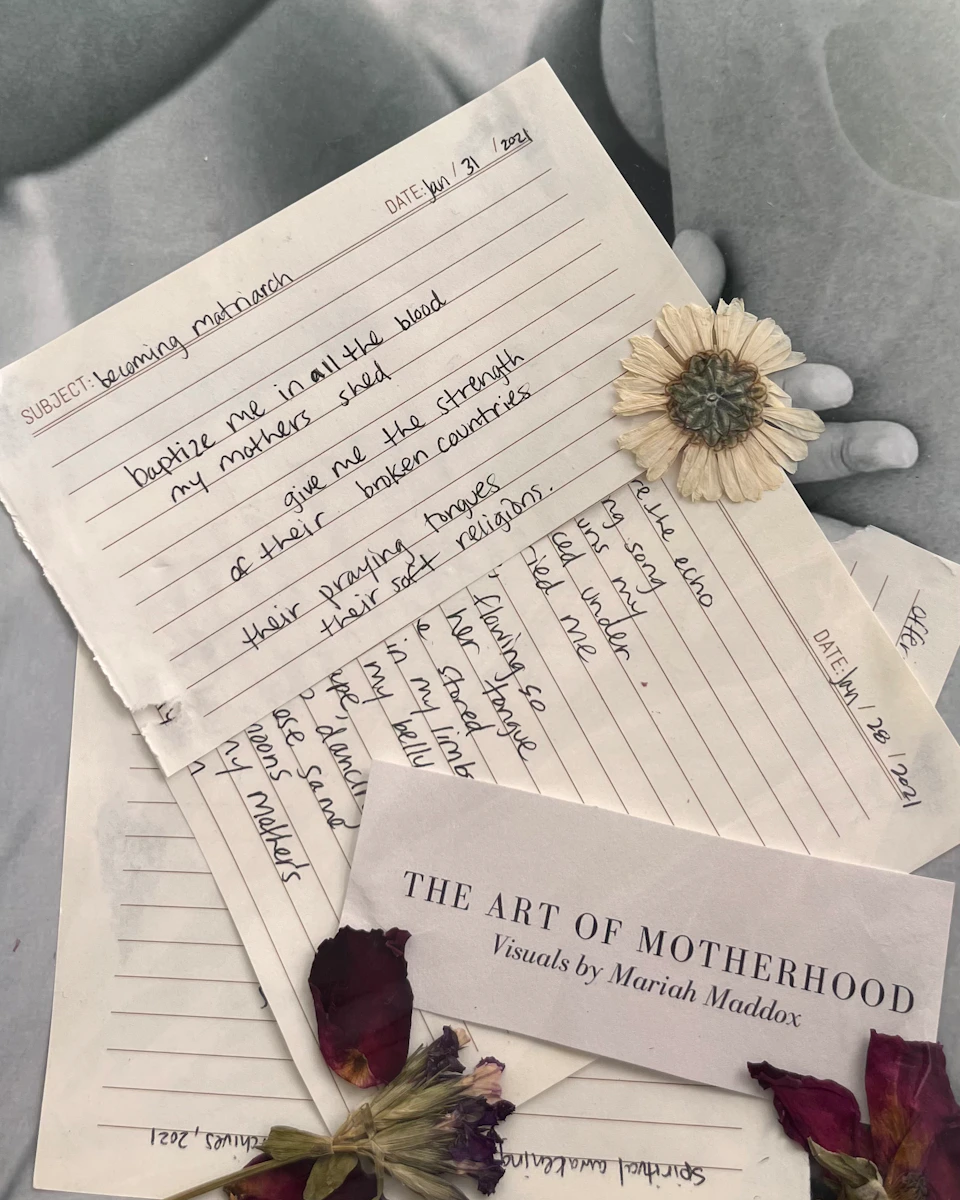

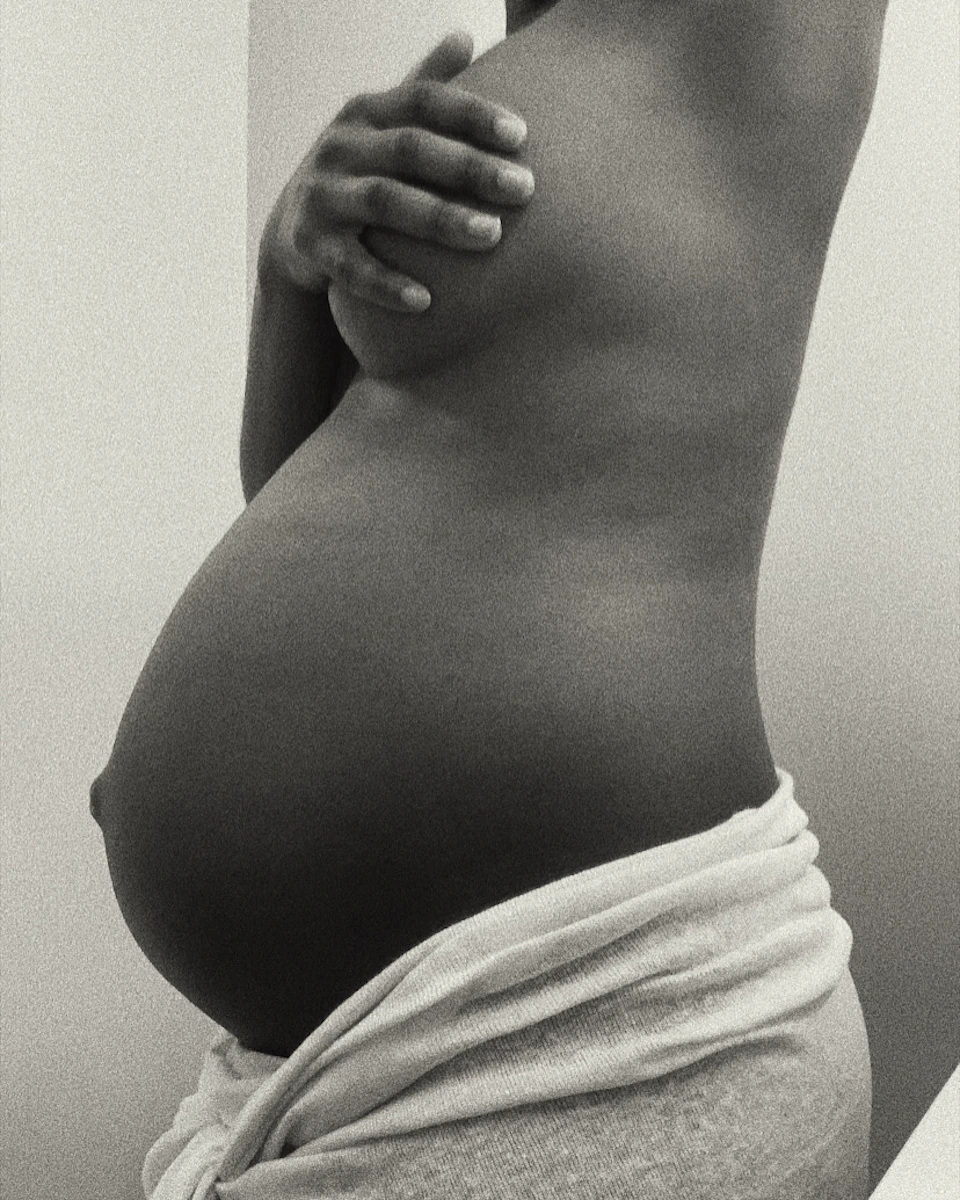
Remothering myself is curating the life that I need in this moment. I’m not abandoning the things I’ve learned from my mother. I’m separating what gets to be carried forward from what needs to be left behind. Especially because I’m now a mother myself. I don’t want to pass on survival; I want to pass on a fascination with and wonder for life.
I accept that while affected by my mother’s life, her choices, and what I have witnessed of her, it is my responsibility to not become a repetition and do better than she was able to. I can hold space for the very real experiences I’ve had as her daughter without victimizing myself to a place of immobility.
I believe one major arc of womanhood is being able to acknowledge and accept what our mothers were able to give, while simultaneously breaking the pattern by opening ourselves up to more from life. By not becoming a reverberation of our mothers’ traumas, storms, and survival.

"I want more than merely survival. I want to savor life, to seep into it, and feel it beneath my skin in a way that requires me to rest."
But when does one deviate? I’ve held my mother as the blueprint for so long. And while she is a major part of this tapestry of women who have gathered their pieces and passed them on, I realize that I am not meant to follow the exact same archetype.
In construction, redline drawings are documents of the original design marked up in red ink, used to indicate site errors, additions, or revisions made during the construction process. Deviations from the original blueprint might occur because of conditions, mistakes, or improvements that have been made. I see myself as that red ink, marking all over the blueprint that is my mother’s life. Not to shame it, but to improve how I will carry on as an extension of her and all the women who exist in my bones.
To become my own is not to be rebellious. It is to say that I can go on more informed, more aware, and more audacious. More free.
I am not diminishing the sacrifices my mother has made or the force she put into raising me. No one can minimize a woman who has carried the world. To say that I do not desire to be like her is not to say that I do not love her. It is to say that I have witnessed her suffering so deeply that I refuse to carry it any longer as my own, and I refuse to pass it on.
And that, perhaps, is the force of my resolve.
Mariah Maddox is a motherhood photographer, postpartum doula, and editorial writer with a special niche of storytelling centered around motherhood. Her work has appeared in Motherly, Her View From Home, CNN, Parents, and she has been featured in pieces on parenting written for NBC and NPR. She regularly writes personal pieces for her Substack publications, All My Language and MILK. Since giving birth to her son, she has become passionate about the mothering landscape and enjoys using the mediums of writing and visual storytelling to amplify the raw and unfiltered experiences of parenting.