Getting Sticky with Sahar Khorram
Have you noticed that suddenly everyone and everything is “unapologetic”? Your shoes and your workout clothes, your makeup, your burger, and somehow also your tequila. Along the way, the word has started to lose its punch—which isn’t a problem, really, until you try to describe someone like Sahar Khorram and realize no other word will do.
Born in Iran and raised in LA, Sahar has always possessed an unshakable conviction. From an early age, she pushed back against the constraints of her religious upbringing, and though it wasn’t all smooth sailing ("survival raft in a typhoon” might be more apt for some of the years), her experiences ultimately helped shape the woman she’s become today.
And who is that woman? Most likely know Sahar as the stunning, high-powered family law attorney doling out indispensable wisdom on TikTok with the warmth and no-bullshit candor of your favorite older sister. With content that’s equally empowering and informative, she’s created the sort of safe space to not only discuss life’s harshest truths—from abusive relationships to the broken legal system and fertility issues—but to celebrate life’s hard-won successes, without apology, and maybe also find a cute beach look along the way.
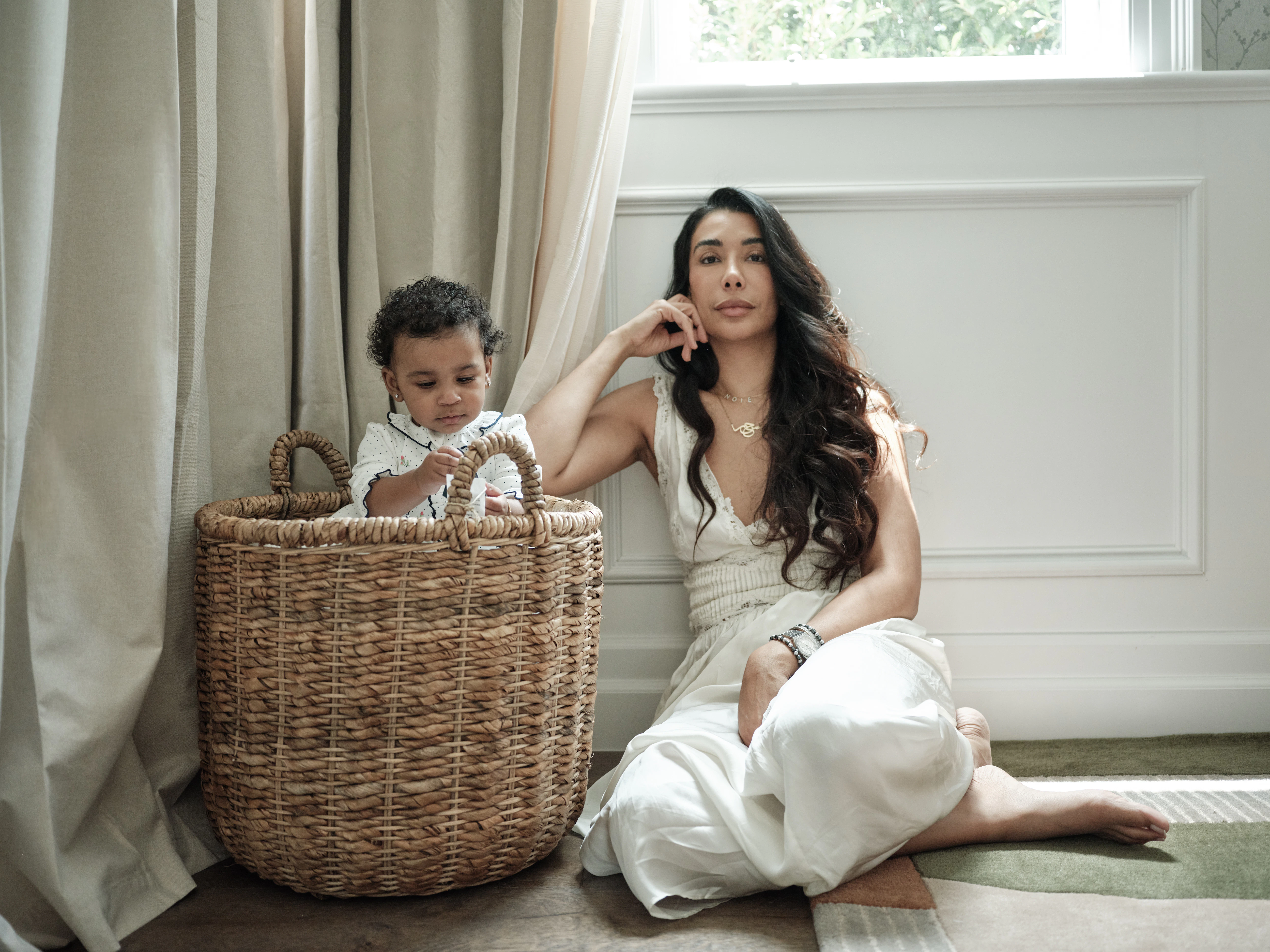
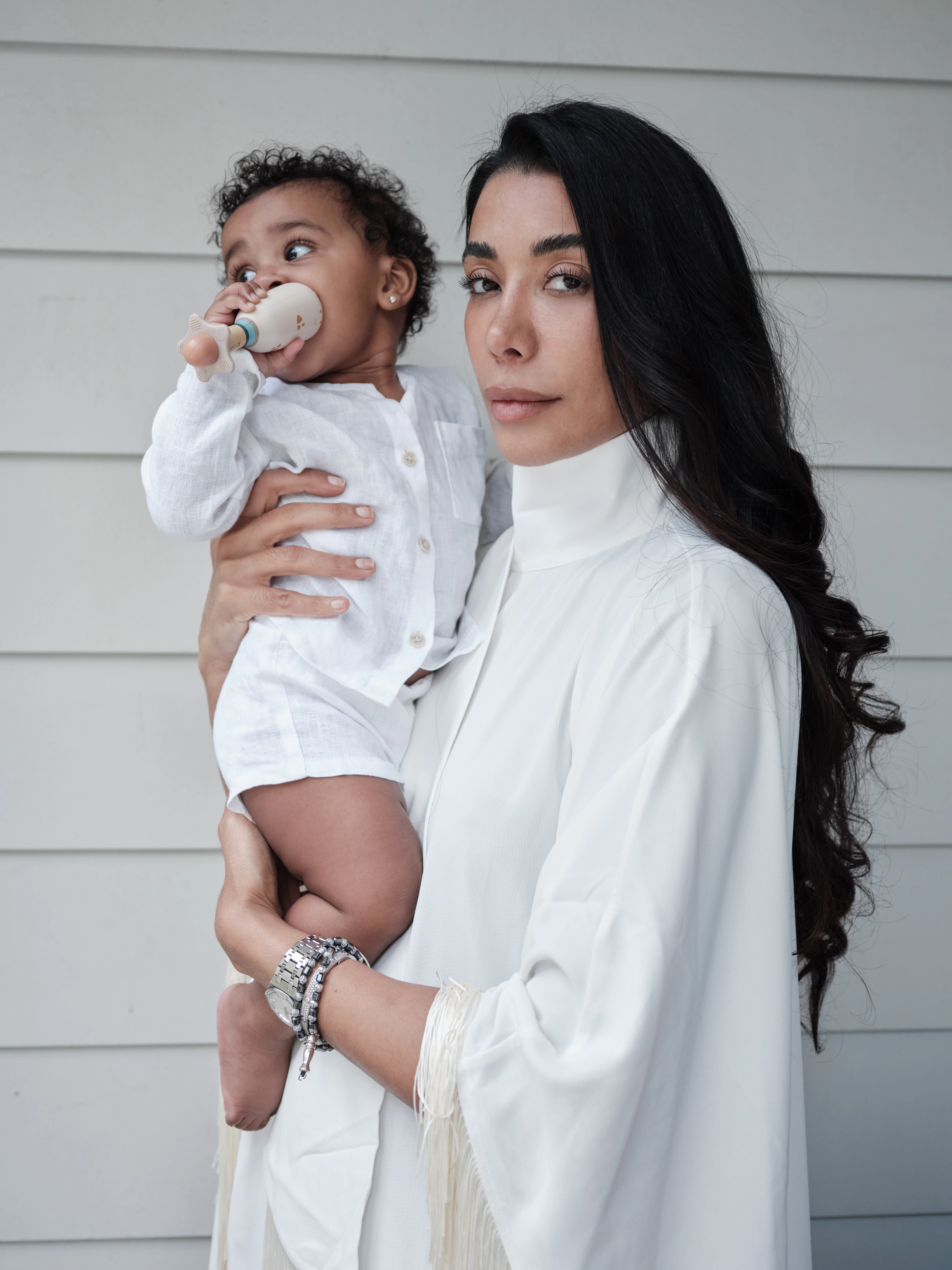
Sahar now lives in Los Angeles with her husband and eleven-month-old daughter, Noie, and they have a son on the way. She is, in many ways, living her dream life, and yet her path to motherhood was anything but straightforward. After years of fertility challenges, multiple failed attempts, and several rounds of IVF, Sahar finally welcomed her daughter. Because of prior complications and her medical history, she chose to use a surrogate for her second. Surrogacy remains widely misunderstood and deeply stigmatized, making Sahar’s openness about the process not just refreshing, but kind of vital. Then again, radical honesty has always been her strong suit.
Below, Sahar gets into the nitty gritty of her pregnancy struggles and surrogacy—from how much it costs to the very real emotional hurdles, what not to say to your doctor, and more.
Words by Rachel Hodin. Images by Emily Malan.

She chose law, initially, by default—and then it got personal
Growing up, I really wanted to be a plastic surgeon. I wanted to do reconstructive surgery for people who had been in traumatic accidents. Then when I was 17, I was diagnosed with meningitis and given two weeks to live. Eighty percent of my brain got infected and I temporarily lost my ability to walk and talk.
I end up making a recovery—though I like to say a semi-full recovery because ever since, my hand-eye coordination has never been the same, and learning new words became very hard for me. It’s little things that only I notice, but which I know were a result of meningitis. It also changed the stability of my hands: They shake a little bit, so becoming a surgeon was out of the question for me.
In 10th grade, my parents thought I’d become too American so they took me to Iran. At the same time, Iran attempted what was called the Green Movement. That was my first exposure to politics and law and the impact it can have on your quality of life. When I came back to the US, I was in high school and constantly being assaulted. All these things, plus my lack of faith in the system, made me really want to go to law school and be an advocate for others.
“To push through, you just have to stick to those small successes”
We can’t change the system. We live in a white, supremacist, patriarchal society; it’s embedded in quite literally everything that we do, and there’s no getting around that fact. But are we shaking it? Yeah. I think we do a good job of that.
I originally wanted to do criminal defense work and after my first year of law school I represented inmates out of the San Quentin Rehabilitation Center who were appearing in front of the Parole Board. I quickly realized I couldn’t do this because, one, it was giving “I will fall in love with an inmate,” and two, it was just too emotional. I then pivoted into corporate, which was so boring I wanted to die. And then I went into family law and loved it, but it's very emotional.
To be a good lawyer, you have to be a negative thinker because you're always thinking about what will go wrong. Every time someone says something positive, we’re literally trained to think of the negative. We’re such natural pessimists—we approach the system with such a lack of faith—that when something negative happens in the court system, it doesn’t really impact us as it might a regular person. In such a corrupt and broken system, where your standard is in hell, when something positive happens, it always feels like a win.
There are a lot of badass women who are rattling the system and giving some people a run for their money—and that makes us feel good. One of my best friends represents families whose kids get taken away. You’d swear that these situations would require separating children from their family, but they don’t. It’s very much based on race. The system is such an ugly and disgusting, racist, fucked up environment where black and brown families are targeted. Despite what we think, social workers can sometimes be extremely evil.
To push through, you just have to stick to those small successes: a child getting returned to a family or a woman who’s poured everything into her marriage and whose kids you helped secure a good divorce settlement. The system is broken, so you have to hang onto those stories where you changed even one person’s life. It becomes less of a numbers game and more of an impact game.

"We can’t change the system. We live in a white, supremacist, patriarchal society; it’s embedded in quite literally everything that we do, and there’s no getting around that fact. But are we shaking it? Yeah. I think we do a good job of that."
How an ectopic pregnancy ended up saving her life…
My motherhood journey is fraught with issues because I chose the wrong people to be with. When I was younger, I didn't realize how bad an abusive relationship can be and the lasting impact it can have on you.
When I was 21, I got married because I was trying to escape my religious household. I end up getting pregnant with him, and we decide we're still too young and don't want a kid. But when I had an abortion, there was all this pain. We go to the hospital and find out that I was having an ectopic pregnancy—which actually ended up saving my life because my husband at the time had cheated on me and given me gonorrhea, which had gone undetected, was working its way up my body, and was about to attack my liver and kidney.
And another almost cost her her life…
I got divorced, which was a really long process. My parents are Muslim; they didn’t want me to leave him and so they disowned me, leaving me homeless during my first year of law school.
Because I was abandoned physically and emotionally, I ended up dating this other guy, a terrible human being who was between me and another girl. I’m 23, I get pregnant, and I start having horrible pains. We go to the ER, and they tell me I'm having another ectopic pregnancy; once you get one, it increases the likelihood that you're going to get it again.
Usually, an ectopic pregnancy is treated with a shot called methotrexate that’s supposed to dissolve the sack inside your body; if that doesn't work, then they do surgery. They give me the shot, but when I get home, something feels wrong. My boyfriend and I get into a fight. He’s like, "You're annoying, blah blah blah,” whatever an abusive person says. He leaves me at home, my pain increases. I keep calling him, but he had blocked me. I didn't want to tell my family and friends what was going on because I’d told them I left this abusive person, but the pain gets so bad that I drive myself to the hospital where my mom works. (She’s a nurse). They tell me that the medication had not worked, my fallopian tube had burst, I have internal bleeding, and I'm about to die. I’m rushed into surgery and they remove my fallopian tube. I remember waking up and the doctor telling me my chances of getting pregnant naturally have now gone down significantly.
I didn't think much of it after that. I was 23, 24; I thought, I’ll deal with it when it comes.

"My motherhood journey is fraught with issues because I chose the wrong people to be with. When I was younger, I didn't realize how bad an abusive relationship can be and the lasting impact it can have on you."

Hindsight may be 20/20, but the female body? Less so
The female body is such a miracle, the way it gives life and then bounces right back; there’s so much about it that’s still so unexplored. A lot of doctors don't actually know that much about it. They don’t even know what normal or abnormal truly is; instead, they’re often basing those definitions on what most people have, rather than what people should have. That’s why it's so important to have a good doctor.
After I married my husband, we tried to get pregnant naturally and it wasn’t working. We did IVF and an embryo transfer, which failed. During that period of trying and failing, I had a total of eight miscarriages. I was so hopeful every month. I finally go to this OB and he tells that during the months where my egg is dropping from the side that’s missing a fallopian tube, it’s pointless to even try getting pregnant because there’s no way for sperm to meet egg. He was like, “Rather than getting your hopes up every month, if you come in to see me far enough into your cycle, I can predict which side you're going to drop an egg from and tell you whether that month even makes sense for you to try.” That was such an “aha,” light bulb moment for me. I was like, Why hasn’t anyone said that to me yet? Why didn’t I realize that?
As a woman, there are so many of these moments related to your body and your fertility where you’re like, Wait, obviously, yes, but why did no one just say this to me in basic terms from the start, rather than let me spiral?
Eventually, we tried another embryo transfer, it worked, and we got Noie. When I was going through IVF and got pregnant with Noie, I had to take a step back from family law because the last thing I wanted was to lose her because of work.
“The only person who really understood my grief was the surrogate”
With our surrogate, we implanted twins and we lost one. It was hard. Some of my friends understood my grief, but a lot of people seemed to think that because it wasn’t physically happening to me—because someone else was carrying the child—it wasn’t impacting me. It felt really lonely.
I think the only person who really understood my grief was the surrogate. My husband's amazing and supportive, and I hate to say this, but at the end of the day, he is a man. He's never carried a child. The process of losing a child physically and emotionally, as a woman, is just very different from what a man experiences. Obviously, he was very heartbroken; he had this vision of what our family was going to look like, and now he had to reconcile with this change. But that’s very different from how I experienced the loss of this baby. This fed into every insecurity I have around motherhood and fertility. I kept thinking, Am I not meant to be a mother? Am I not a good enough mother?
Until I became a mother, I didn’t really understand the rage or, for lack of a better word, the bitterness some women have. Now I get why we’re so angry sometimes; I get why my mom was so angry sometimes. She bore the emotional burden, the burden of labor—everything.


Really? Haters? Still?
There’s so much shame around miscarriages and surrogacy. When I posted my video about my using a surrogate, so many people called me unethical, saying that what I’m doing is slavery, that I’m breeding organs, that I’m weak—just crazy stuff. If I was someone who gets insecure easily, this would have pushed me off the edge.
You have to get to a point where you're so sure of what you're doing that other people can’t bother you. When it comes to myself, I'm forgiving, I'm loving, I give a million chances. With my daughter, I do not play whatsoever. In light of everything going on in Iran, I made a couple videos where I’m holding my daughter and telling her about the beauty of the people in Iran and standing up to oppressive regimes. There were so many comments calling her “monkey,” “cockroach”—terrible, racist things. I wish I could say I'm surprised, but as a darker-skinned Persian, I grew up hearing those things. And like I said: for me it's one thing; but when it comes to my daughter, I’ll never allow it.
TBT to 5 years ago, when surrogacy became legal in New York
Surrogacy is such a new world: it just became legal in New York in 2021. There’s no blueprint or guidebook; there aren't enough rules and regulations. Which is why it's so important that you work with ethical lawyers and ethical agencies, or else you can end up exploiting people. Accusing me of “breeding organs,” “harvesting organs,” and perpetuating “slavery,” is obviously dramatic, but I understand why these people believe surrogacy to be so exploitative. If done incorrectly, it is extremely exploitative. It depends on the agency, which surrogates they accept, whether these women are extremely vulnerable financially, where these women are in their lives, and what the intended parents can do.
When I shared my surrogacy story publicly, I was initially doing it for the intended parents, but since I posted the video, there have been so many surrogates in my DMs telling me about their shitty experiences with their intended parents, saying, "I'm not being treated well,” “I'm being harassed,” etc. Which I did not expect. What I tell them is, “At the end of the day, it is your body, you have to remember that, and you have to advocate for yourself. Just because you are carrying someone’s child, you cannot let them treat you however which way they want.”
I think we're going to see an uptick in the number of lawyers who are going to go into this space and advocate for women. It’s such a different journey for every single person who goes through it.
When you say the word “surrogate,” a certain image often comes to mind; I truly don’t think people realize what my surrogate is like. We have such a great relationship. She’s a mom of three; her daughter's birthday was two days ago and I sent her gifts. She sends me a picture of her with her daughter. She has such a full life, and we're always doing something for one another. What do I care if somebody out there thinks I'm oppressing her? She's living a beautiful life.

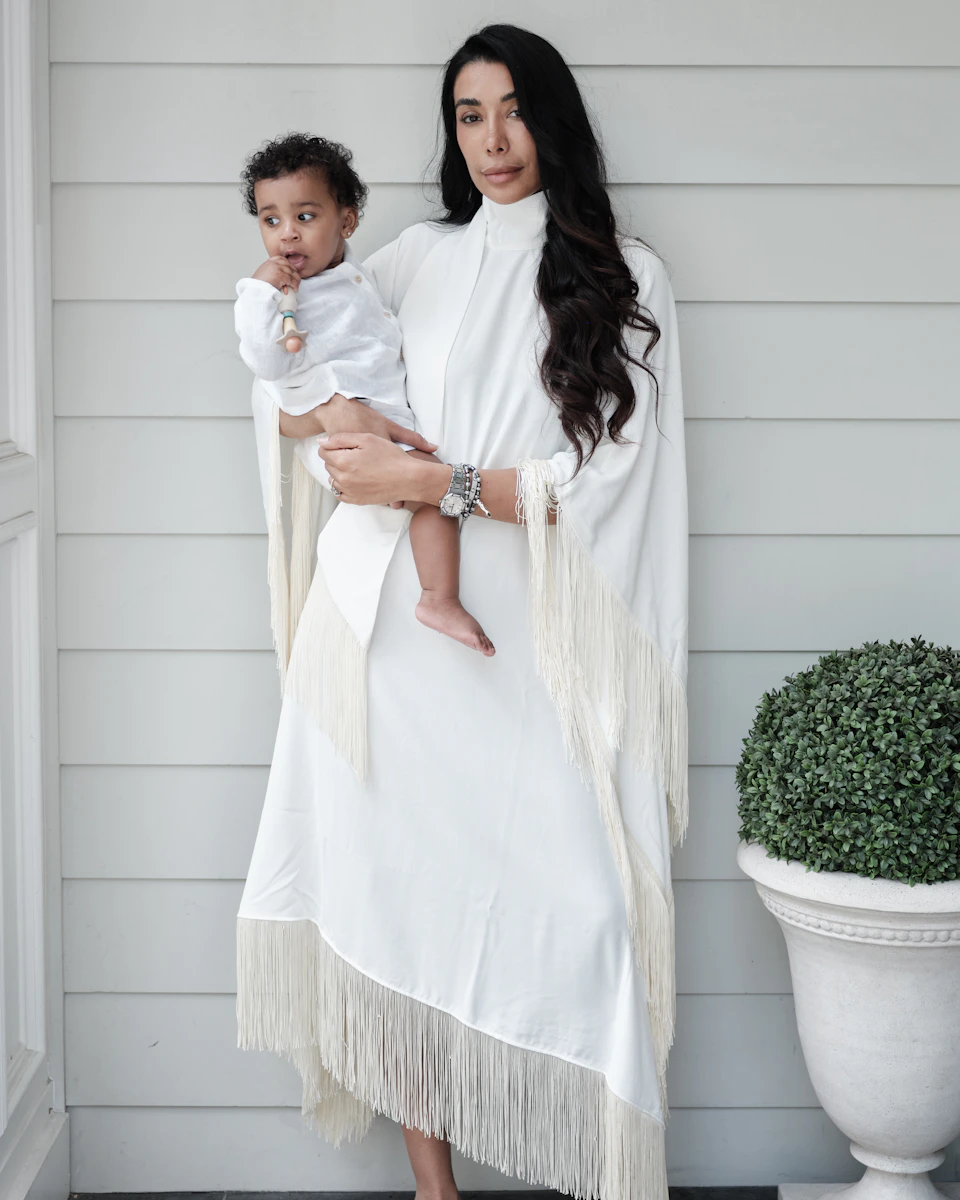
"Until I became a mother, I didn’t really understand the rage or, for lack of a better word, the bitterness some women have."
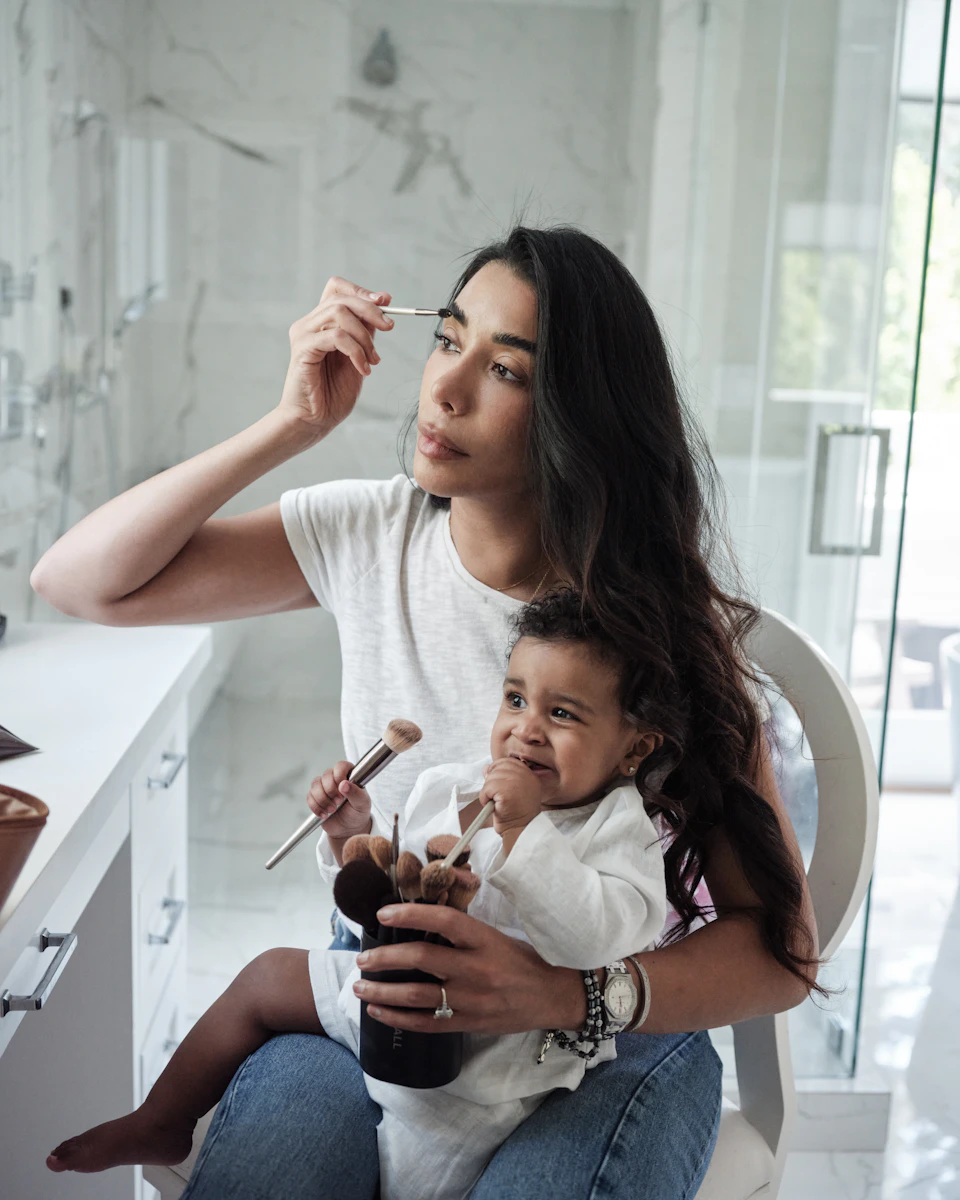
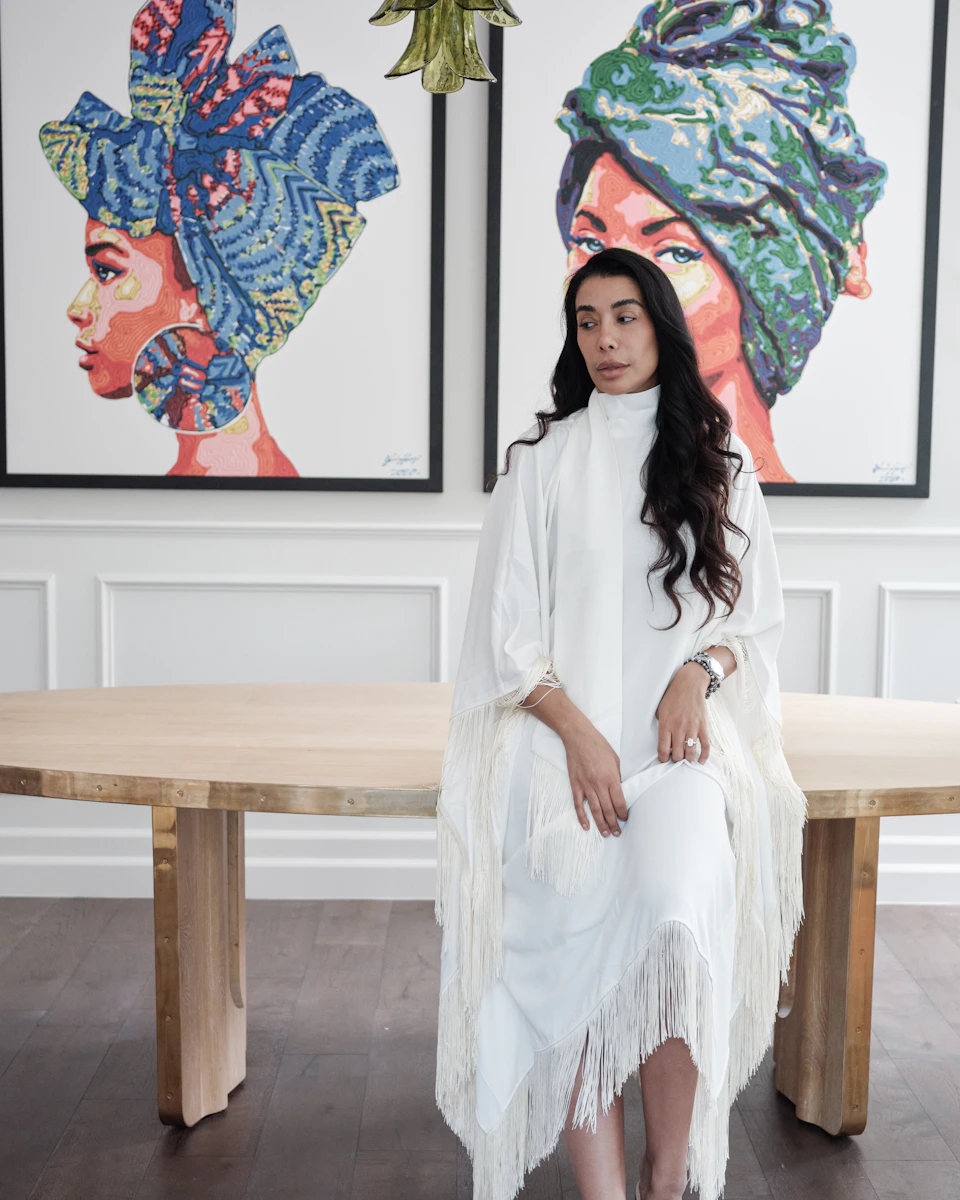
The (literal) cost of surrogacy and IVF: a breakdown
People have no idea how much surrogacy or IVF costs—and forget the emotional toll—and I really think everyone should know in case they decide to do it. Me talking about this is not a flex.
First, you have to make embryos and to do that, you have to freeze your eggs. I made the mistake of telling my doctor that I might one day want to use a surrogate. Do not say that. The moment they hear the word “surrogacy,” it flags something for insurance companies that precludes you from getting any coverage, even if you have fertility issues. There’s some progress happening where companies are starting to cover the cost of surrogacy and IVF due to infertility, but there’s still a long way to go. So if you’re planning to freeze your eggs or make embryos, do not mention surrogacy. I didn’t know this going into it, and it cost me roughly $30k.
After paying $30k, I ended up with six embryos and implanted one. The process of implantation includes not only the actual day of implantation, but also shots and drugs, office visits, ultrasounds, and bloodwork—which totals to another 25k.
Now, let's get into surrogacy. All in, you're looking at—ballpark—250k. The surrogate varies state by state, surrogate by surrogate, but the base rate is somewhere between 60k to 100k. To implant two embryos is an extra 10k or 20k. This is just the amount that the surrogate is receiving in their account. In addition to that, there’s an agency fee, somewhere between 20k to 30k. You also have to pay the same amount I mentioned above for implantation (around 25k).
To become a surrogate is also very hard. There’s a lot of support they need that becomes your responsibility: therapy and group meetings they go to once a week, a psych evaluation, a stipend for maternity clothes, their insurance. Even if they do have insurance that covers giving birth, the moment the insurance company discovers they’re a surrogate for someone else, they lose their coverage, and then it becomes the intended parents’ responsibility to cover the insurance. There’s also a lawyer’s fee that’s somewhere between 10k and 20k. When you add all that up, you’re looking at 250k.
And this doesn’t include any complications; if she gets preeclampsia, if she has to be on bed rest, if anything like that happens, you need to cover a stipend and her income. Most surrogates work, so if they can’t do their job, then you have to cover it. If they have children, you’re covering their childcare, you’re paying for their food, for their housekeeper. If your surrogate is out of state, not only do you travel to her for the birth, but you need to stay wherever she lives until the baby is cleared to fly—so that stay and those flights will cost you as well.
So 250k is just ballpark—it can end up being more or less than that.
The process of getting paired with a surrogate…
To find a surrogate, you typically work with one surrogacy agency and have access only to the surrogates they represent. I basically found the agency of all agencies, one that has access to the clientele of every agency. Every week they send you options and each person’s profile includes the surrogate’s age, their hobbies, their weight and medical history, whether they're married, how many kids they have, whether they're willing to work with same-sex couples, and any other relevant information, plus some photos.
I had a pretty specific idea of the energy I was looking for in a surrogate, so if the profile didn’t match that, I didn’t even waste time. Once you see someone you’re interested in, you tell the agency and write a letter to the surrogate, saying, “I’d love to know more about you, your family, your journey, etc.” The agency shares the letter with her and if she’s interested, you two hop on a Zoom and just feel it out.
The guilt that comes with surrogacy is very, very real
I’m scared I won’t be able to bond with my son as easily as I have with Noie—it’s a fear I have. It’s easy for a man to not think about it because they don’t meet the baby until it’s born, so until then, the baby is more of a concept for them. Whereas for women, our connection to the baby is so physical.
I have a lot of guilt around the surrogacy and not carrying him—all these mixed feelings. It’s not hunky dory. I’m worried about missing his birth: if I’m not there to welcome him the second he comes into this world and put him on my chest and have that moment with him, I would feel really shitty.
People assume I just outsource this pregnancy, don’t gain weight, and then I move on. As if, after all the fertility problems I’ve had, it’s the weight gain that I’d be most concerned about.