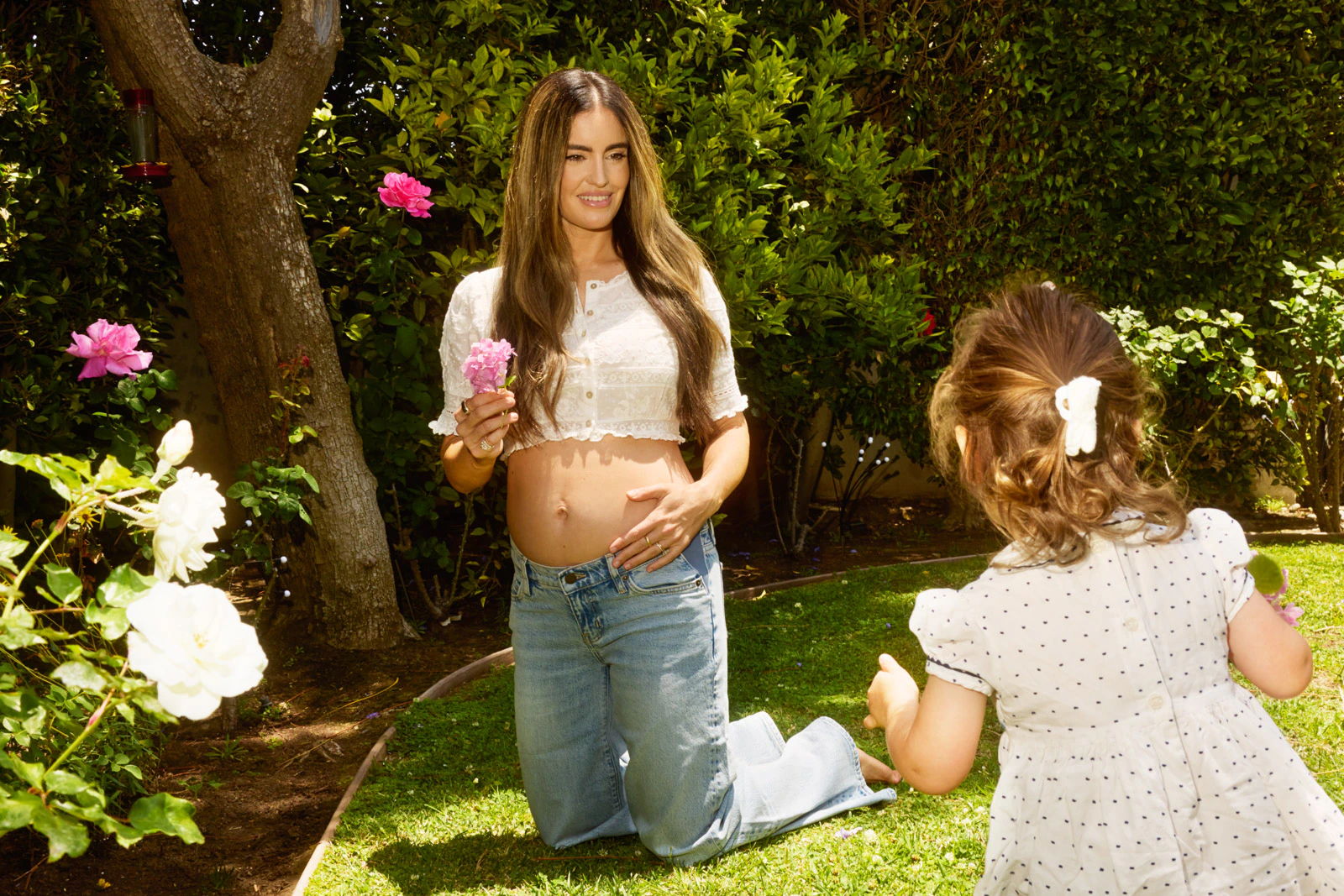
Getting Sticky with Carly Kremer
The greatest products are born from necessity. In Carly Kremer’s case, she tracked biotech companies from her perch at Goldman Sachs while going through a personal health struggle. In her own research and experience, she became consumed with the massive immune-system benefits of raw honey and bee propolis. From this obsession came Beekeeper’s Naturals, now a massive, cult-favorite brand of health products sold across the country.
Carly had her first daughter a few years after starting the company and went full-steam ahead. Calls almost right away, meetings soon after, and somehow found herself breastfeeding on stage at a major conference. The result? A full-throttled, in her words, “crash.” The postpartum anxiety set in—and with the support of her village, she realized she had to course-correct.
Below, Carly (now pregnant with her second child) talks to us about the genesis of Beekeeper’s; why going on an SSRI postpartum was the right choice for her; and how she plans to do maternity leave differently the second time around.
Words by Emily Barasch. Images by Maggie Shannon.
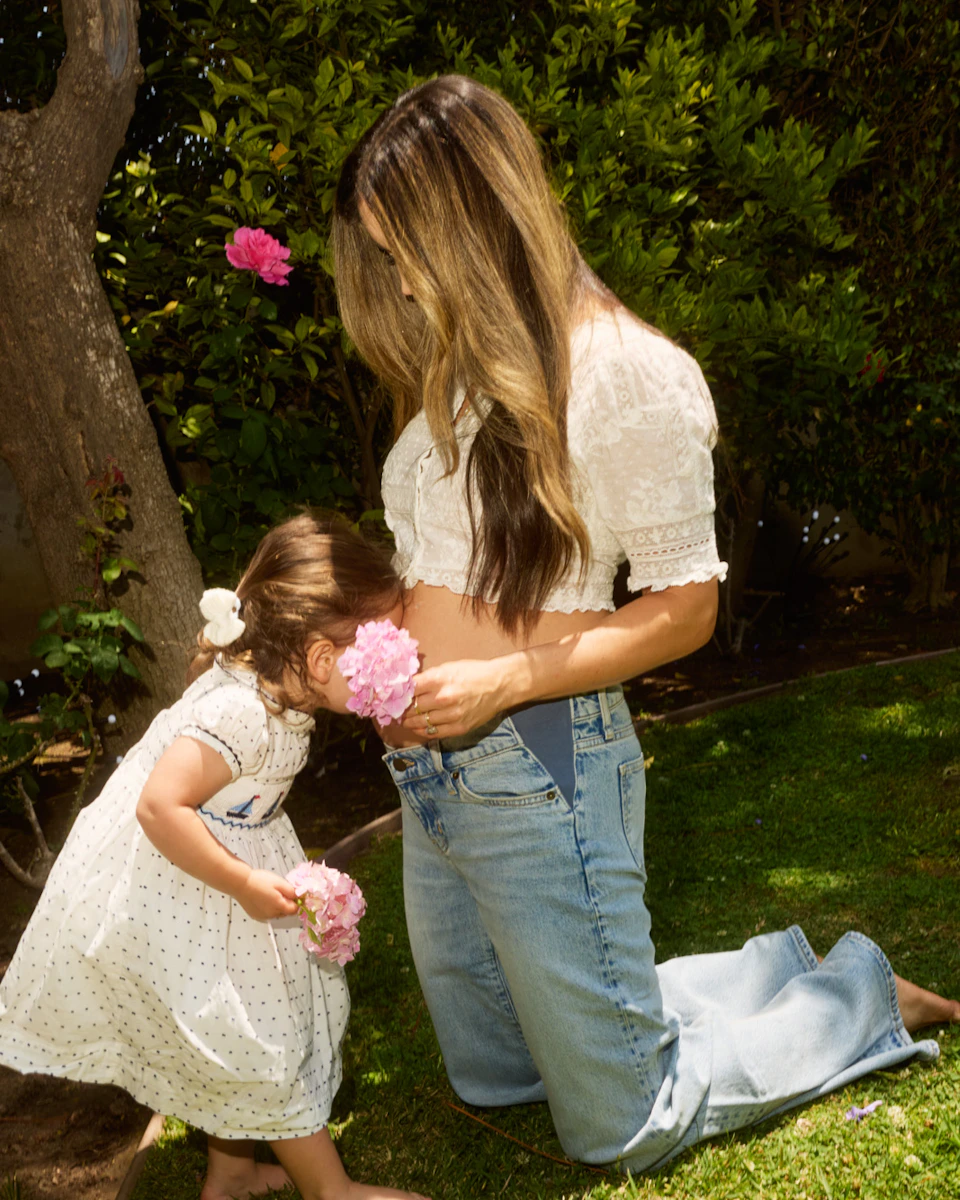
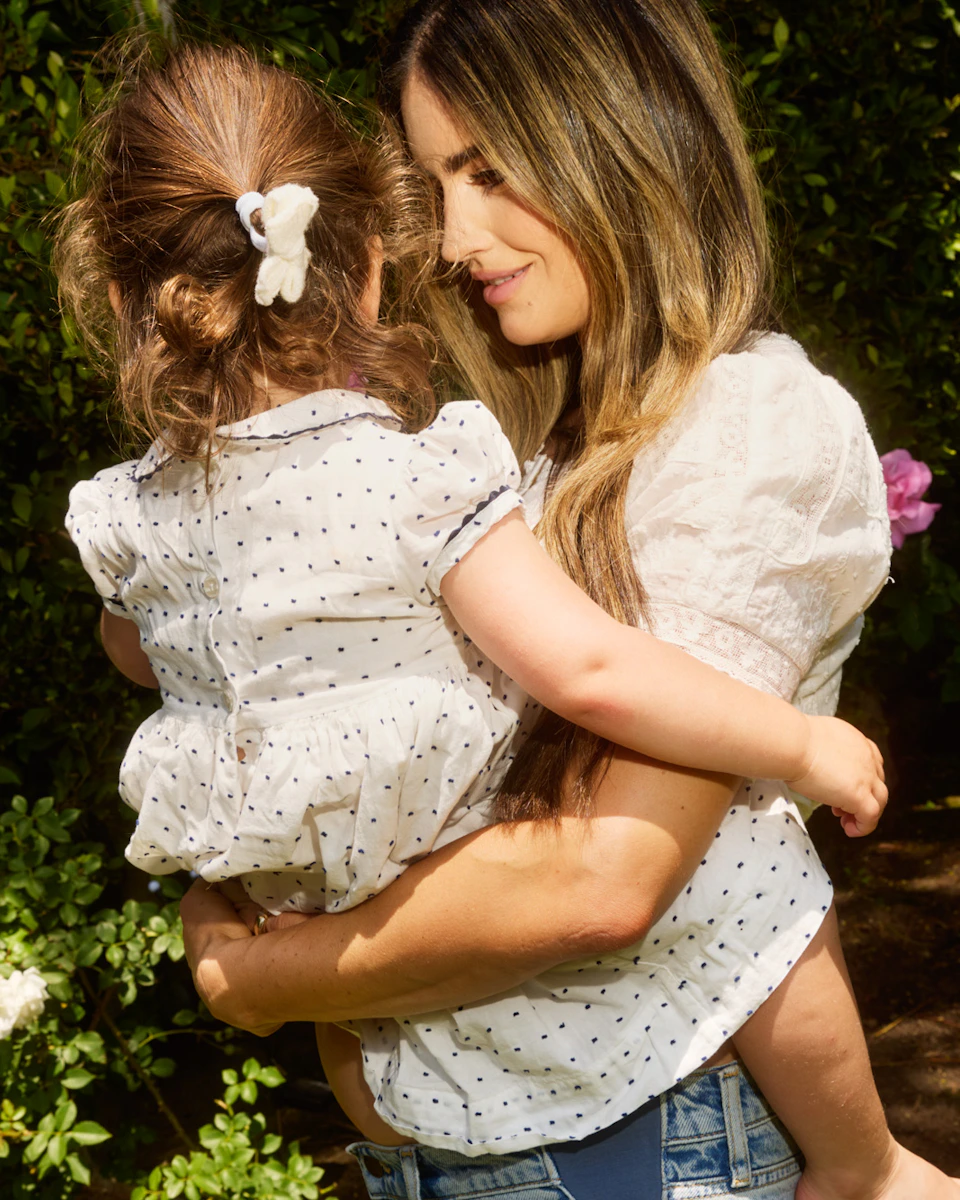

"I always wondered: Do the things I really want in life completely conflict?"
Inklings of an idea
I started my first job out of school in finance. I ended up at Goldman Sachs and was working really insane hours. When I was there, I did a lot of biotech stuff. I would get to know these companies really well because I was making big bets with house money. I saw a lot of drugs get approved with outrageous side effects, and I learned how the system worked with for-profit research ethics boards in the U.S. It was kind of disheartening to me. I had struggled with my health, had my own journey there, and felt completely lost in what I was doing.
“Do the things I really want in life completely conflict?”
Working in finance, there just were not a lot of women around me. I think the culture has changed a lot since then, but I wasn't seeing that. I always felt this pull of, do the things I really want in life completely conflict? I hope to demonstrate [to my own kids] what it's like to be working pretty aggressively and be a mom as well. But I just didn't have a lot of role models for that.
I really didn't enjoy Goldman. One, I was working all night, so I kind of had no life. And two, it just wasn't the culture I was interested in. It wasn't what I was passionate about.
I didn't enjoy it culturally. It didn't feel like there was a purpose for me. I didn't see role models, male or female, who were showing any sense of balance in their life. I was really unhappy, but I had a good-on-paper job.
Intuition and drive make good bedfellows
It sounds insane to leave a job that’s paying off your college debt to start a bee-product medicine company. In the early days, when I told people about it, everyone was like, "Okay, chill out. Stay where you are. This is a bad idea." I got to a point where I had to listen to myself and trust my intuition. That's kind of guided me in motherhood as well.
So I left Goldman to start my company. I started Beekeepers in 2017. I think it was 2018 or 2019 when I froze my eggs because I was so focused on work. I didn't think I was going to start my family on a timeline that coincided with my work.
Then really soon into that process, I met my now partner. We connected, we both wanted the same things, and we decided to start a family pretty soon after we got married.
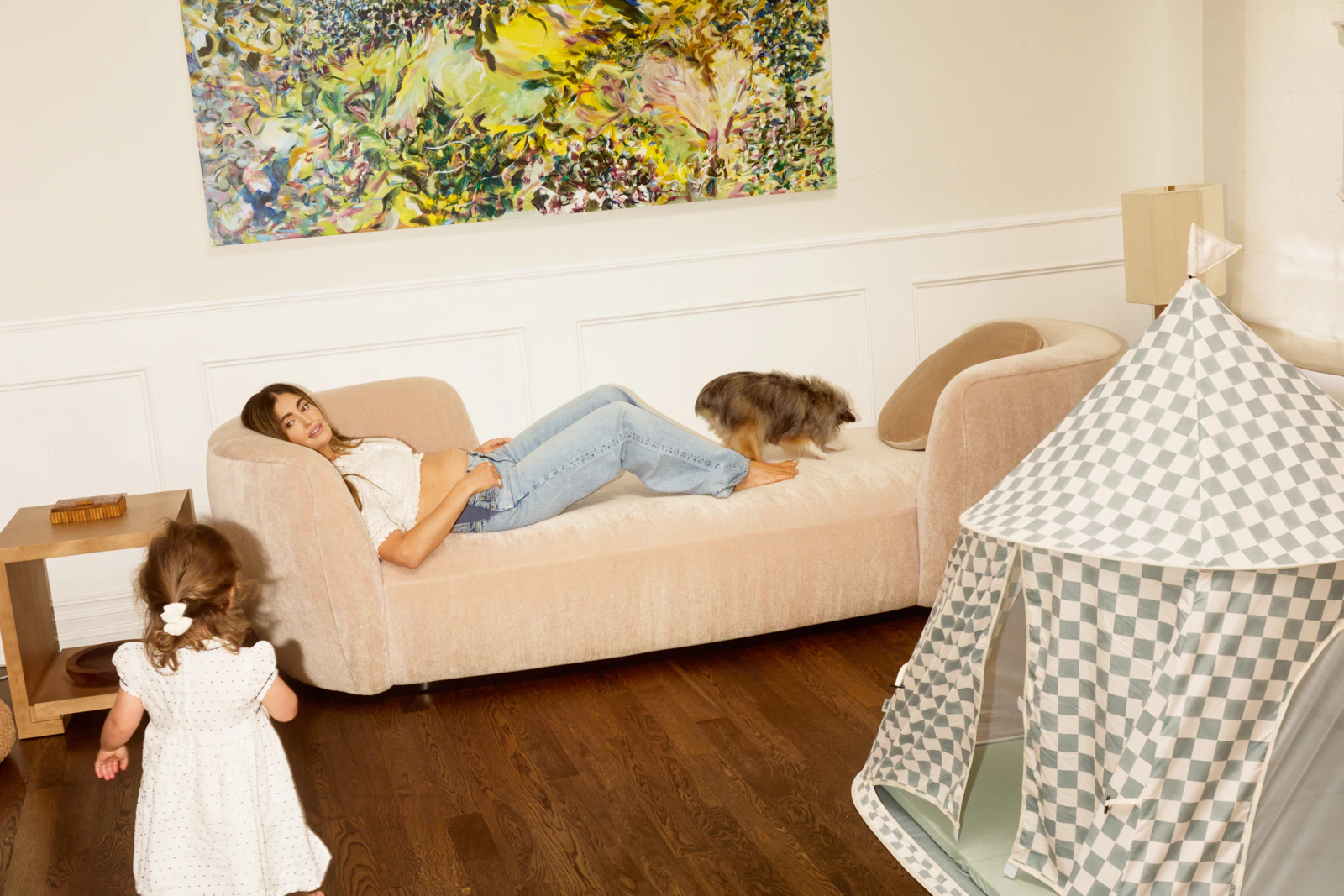
Mat leave as a founder? Not the easiest feat.
My daughter was born three weeks early. I actually went into labor during a board meeting, which is hilarious. My husband forced me to go to the hospital. I thought I was fine. Honestly, in hindsight, this is going to sound psychotic, but I probably could have finished my presentation. Everyone was like, "Get out of here."
Maternity leave was definitely a challenge. I had originally planned to take a three-month’s, and I ended up dipping in and out starting at six weeks. I was really struggling with nursing and some pretty severe postpartum anxiety. At that stage, my company wasn't set up in a way where I could completely disengage. Or maybe it wasn't the company—maybe it was me. It's hard to say.
In hindsight my postpartum experience was kind of insane.I definitely pushed myself too hard. At six weeks, I was taking a bunch of calls and pushing myself to go to occasional meetings, always bringing her with me. At two months postpartum, I was speaking at the Greylock Summit with two other CEOs—the CEO of Everlane and the CEO of Justin's. So two guys and me. I was on stage breastfeeding while we were having a debate about scaling sustainability.
I got prolapse from doing too much. It was a low stage, and with physical therapy I was able to recover, but it was definitely frustrating because I was already physically uncomfortable from giving birth very recently, and then I was much more uncomfortable.
"It sounds insane to leave a job that’s paying off your college debt to start a bee-product medicine company. In the early days, when I told people about it, everyone was like, 'Okay, chill out. Stay where you are. This is a bad idea.' I got to a point where I had to listen to myself and trust my intuition. That's kind of guided me in motherhood as well."
Breastfeeding = good, but also impossible
I also struggled with my milk supply. I had this idea that breastfeeding would just come naturally to me because I live such a natural, wellness-focused life, and it was really hard. My milk supply was dipping in and out.
She was born three weeks early, so feeding wasn't so simple for her. She was more of a snacker, so she wanted to be on me 24/7 versus any semblance of routine. I know that's the case with all newborns, but because she was smaller and could only take so much, it was maybe to a slightly higher degree.
My body also wasn't producing enough, so she was constantly trying to get more. I worked with every functional medicine doctor and naturopath you can name to try to improve my milk supply. It was actually one of the doctors on my medical advisory board who specializes in female health who really helped me.
I did power pumping, which I absolutely hated. I increased my calories in a big way—eating like a football team. I focused on specific foods and nutrients: lots of oats, lots of high-fat, high-protein meals. I started drinking coconut water. I was doing all of these things at once, plus the power pumping, so it's hard to say what changed my supply, but I did push through it.
Frozen milk bags, that year’s It accessory
I ended up breastfeeding for a year, which I still can't believe I did because I was fully back to work—traveling every other week—by four months.
It was kind of wild. I got into a fight with a TSA agent in pretty much every state because they tried to put my frozen bags of milk through the X-ray machine. When I was speaking at Harvard, I had to find a student to help me get my bag of milk into a cafeteria freezer because I was flying out that night.
It was a huge mental load. I mostly brought my daughter with me when I traveled, but there were certain trips where it made more sense to leave her home. By that point, I had increased my supply enough that I could leave milk.
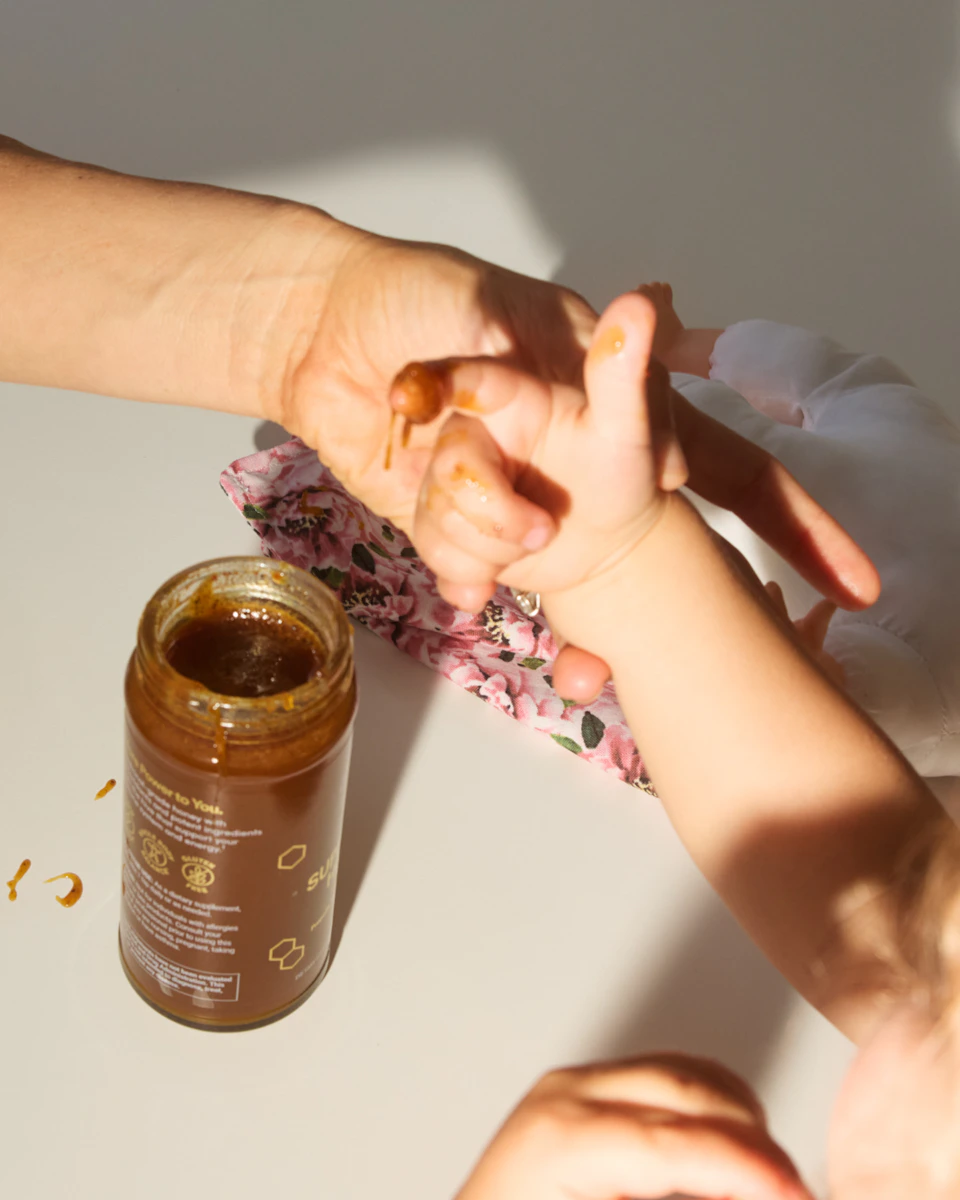
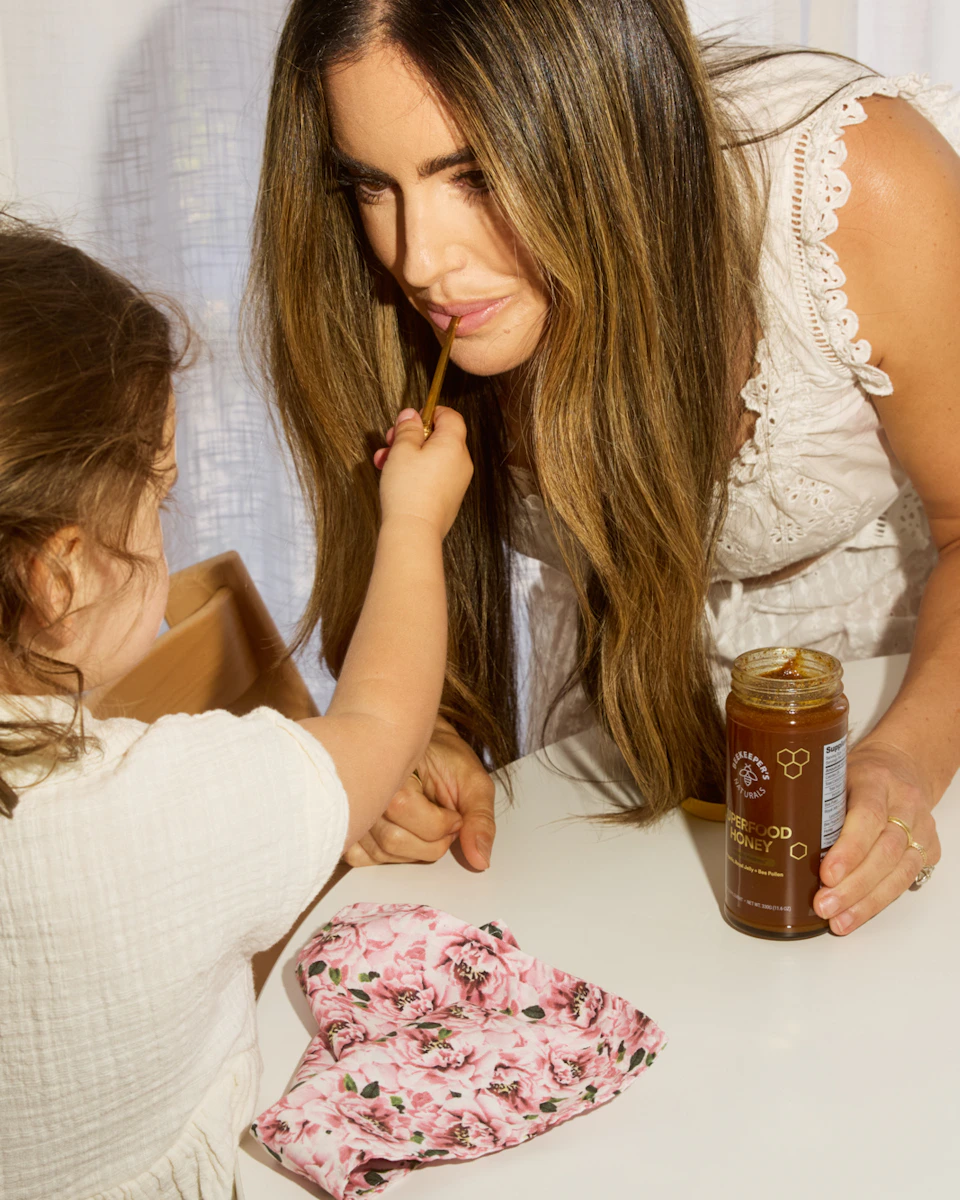
"I started having panic attacks. I would be speaking on a stage, then go into a back room to pump and have a panic attack, then clean myself up and go to another meeting."
The (inevitable) crash
The additional mental load of pumping, being away, being away from your little one, and all the stress of that—it was really intense. I didn't really know what I was doing. I was trying to please everyone, not let anyone down, and not drop any balls. And I crashed.
My anxiety got so bad. We live by the beach, and I was visualizing tsunamis hitting while I was out of town. Just crazy stuff. It got so bad that I started having panic attacks. I would be speaking on a stage, then go into a back room to pump and have a panic attack, then clean myself up and go to another meeting. It was kind of insane.
One of my best friends, who had gone through some pretty intense postpartum stuff, suggested I needed help. I ended up finding a really great therapist. I went on an SSRI, which was hard for me because I'm the sort of person who absolutely believes in modern medicine, but I also think there are a lot of natural ways to do things. I have a mistrust of a lot of pharmaceuticals because I don't think they're considering the whole body.
So I did a ton of research. Again, I turned to the Beekeepers Naturals Medical Advisory Board, which is full of amazing pediatricians, functional doctors, and traditional physicians. I had a really good network to lean on.
I made the choice to get more support, and it made a huge difference. I didn't feel the same pressure, and I started to create my version of balance. If you look at my actions, it's not like they changed that dramatically, but the way I was reacting to everything did.
I'm kind of readying myself to be on an SSRI next postpartum experience. I had some pretty dark moments, and I think the fact that I was trying to act like I was fine made it harder. It was such a new experience for me that I didn't even totally identify that I wasn't okay. It took other people close to me calling me out, which I'm very grateful for.
An existential push-pull
When I'm working, I miss my daughter. When I'm with my daughter, sometimes I feel a little guilt around not being with my team or not prioritizing things I should be. It's this constant push-pull.
What I've had to do is embrace a few things. One is the village mentality—the idea that one of the best things I can do for my daughter and my future son is surround them with multiple people who love them, care for them, and provide different influences. Even if I was there all the time, I don't think one person can be everything.
The other thing is getting really comfortable—this was hard for me as a Type A person—with the fact that there are things I'm going to miss. There are things I can't do and can't control.
There's so much with parenting that you can't control. In business, you can't control everything, but you can control a lot more. So this idea of trusting, of being at peace, of letting her figure it out sometimes—or whether it's my husband, my mom, or our incredible nanny—leaning on somebody else for support, and then being really proud of what I do and modeling that for her.
I'm really fortunate in that I love what I do. I feel passionate about what I do. Even on my hardest days, I try to speak positively about it in front of her and model loving what you do. At the end of the day, I don't really care what she chooses to do, but I care that she chooses something she loves.
Maternity leave, part deux
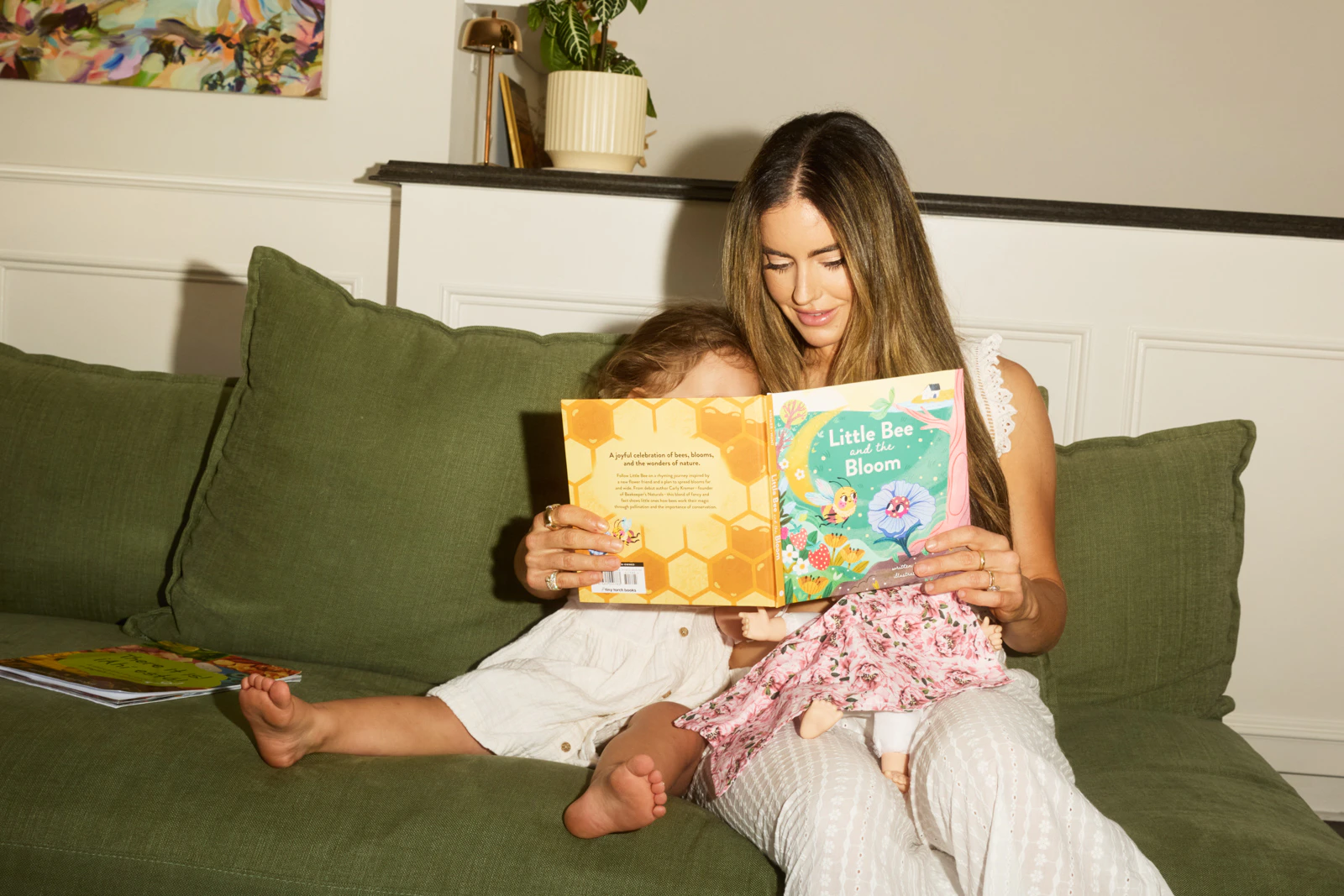
This time around, I'm going to try really hard to take a two- to three-month maternity leave. I'm from Canada, so my friends and my sister are taking six months and think it's insane what I'm taking. I think for everyone it's different.
Getting that precious time to recover and spend with your baby is incredible. I'm also in a fortunate position where I can bring my baby to work, I have a super-supportive team, and I have a lot of flexibility that not everyone has.
One thing that's going to be really different this time is that I'm planning to be totally radio silent to my team for the first four weeks. We'll see if I can handle this, but full, full, full nothing but me and baby for the first four weeks.
It's not like I was on calls the moment I birthed my daughter, but I was checking in maybe a day or two later. Understandably, those check-ins signaled, "Okay, she's available." That door opened, and all of a sudden there were a lot of people leaning on me while I was still figuring everything out. I take responsibility for that because I didn't set a boundary and I wasn't clear. This time, I'm going to set a boundary and be a lot more clear.
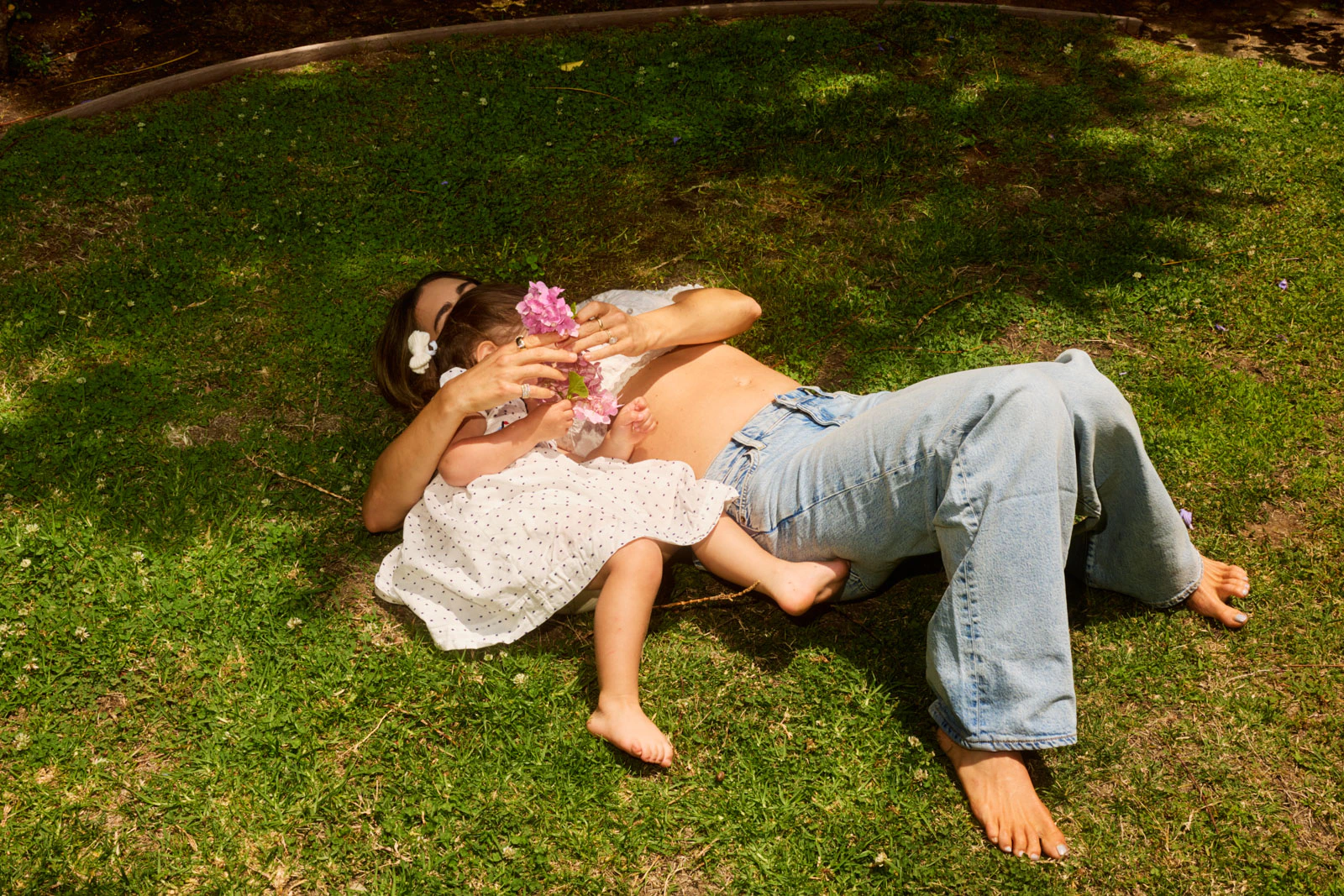
The manual is missing!!!!
My daughter turned two in February, and I don't want to minimize the challenges of running a business because running a business is hard, and that is real. But I think the emotional pull of being a mom, for me at least, hits harder.
Both are so much responsibility, but the choice to bring a life into the world—and just the crazy world we live in, and all that could go wrong—when you're in a state of anxiety and ruminating on those things, it's so all-consuming.
Being a mom—there's no manual. I read every parenting book there is, but you just don't know how you're going to feel. I felt a level of emotional responsibility, a level of pain in the moments I was away from her, and a level of fear about what could go wrong that I had never experienced before.
Some of that was chemical and part of the postpartum experience, but some of it was simply new. In the early days of running my business, I definitely grappled with impostor syndrome, typical nerves, and the realization that I was responsible for people's livelihoods. But I was able to slowly build confidence, understanding, and a skill set.
Being a mom is different. You're a mom all at once. You can be pregnant, you can think you're ready, but nothing really prepares you for that experience on an emotional level. And everyone's experience is so different.
With this pregnancy, I think I know what to do now. Every kid is different, but I think this time I'll know what to do if my milk supply is dipping. I'll know what to do if I'm seeing early signs of postpartum anxiety. I'll know who to turn to.
Before there was a sense that I just didn't know what was normal, so I didn't even know to ask for help. Again, I was really fortunate to have people close to me who were comfortable enough to call it out.
For more on Carly, don't miss her Substack, Clean Thoughts and follow her here on Instagram.