Why I Listen to Al-Anon Meetings with My Toddler
Words by Rachel Kramer Bussel
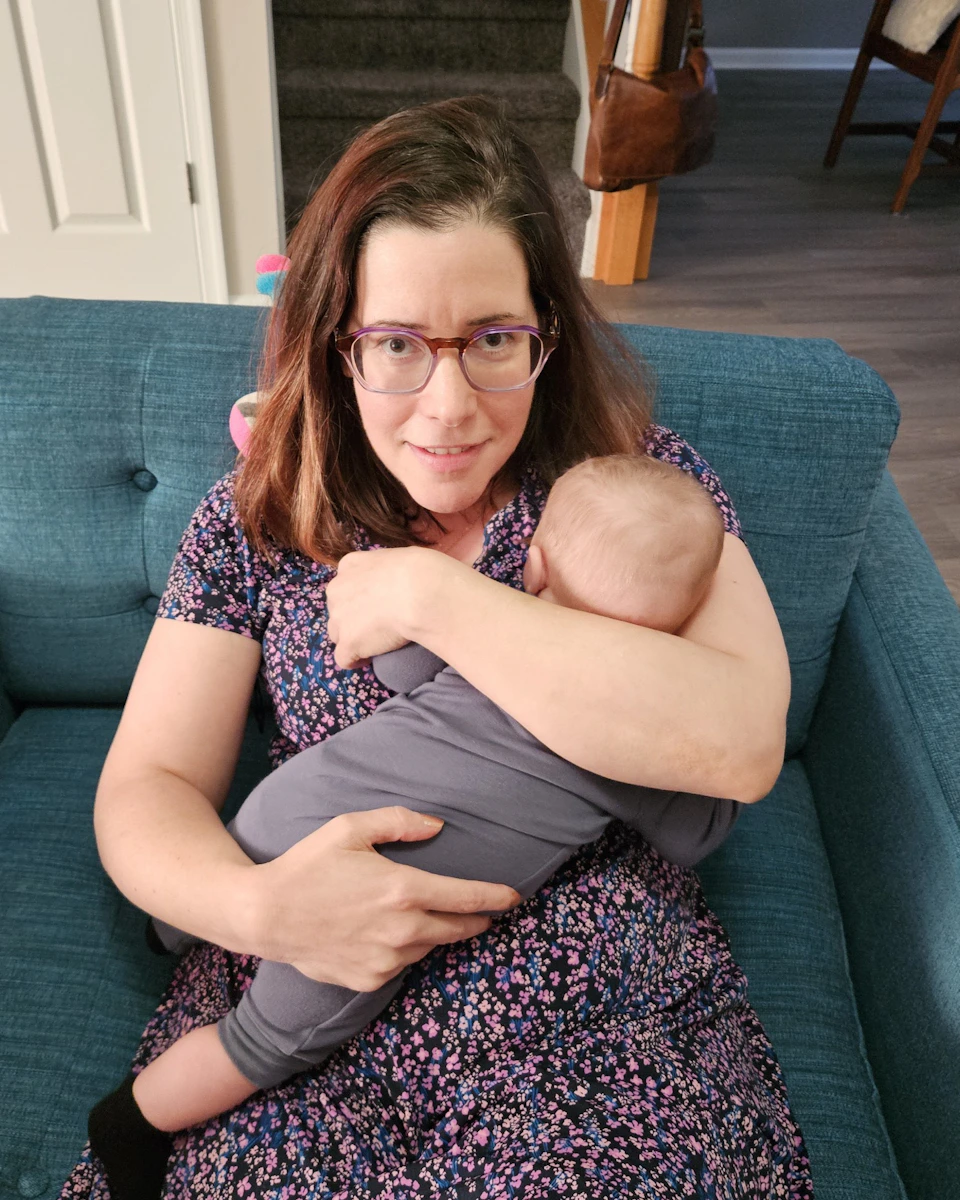
I don’t think my one-year-old is listening to the Zoom Al-Anon meeting I have playing in the background as I make her breakfast, my phone droning in the living room so as not to distract her. I’m pouring her smoothie and doling out yogurt while she’s alternately banging the head of the plastic lamb in her activity center and teething on it.
When someone in the meeting starts crying, the sobs pierce the air. I turn around to see my daughter glancing up, trying to locate the sound, her usual smile replaced with a look of concern, as if she too is on the verge of tears.
“It’s okay, sweetie,” I assure her. “They’re just going through a hard time. Everything’s fine.” I add the finishing touch of a tomato slice, wash my hands, then scoop her into my arms. As I kiss her forehead, I debate whether to turn off the meeting.
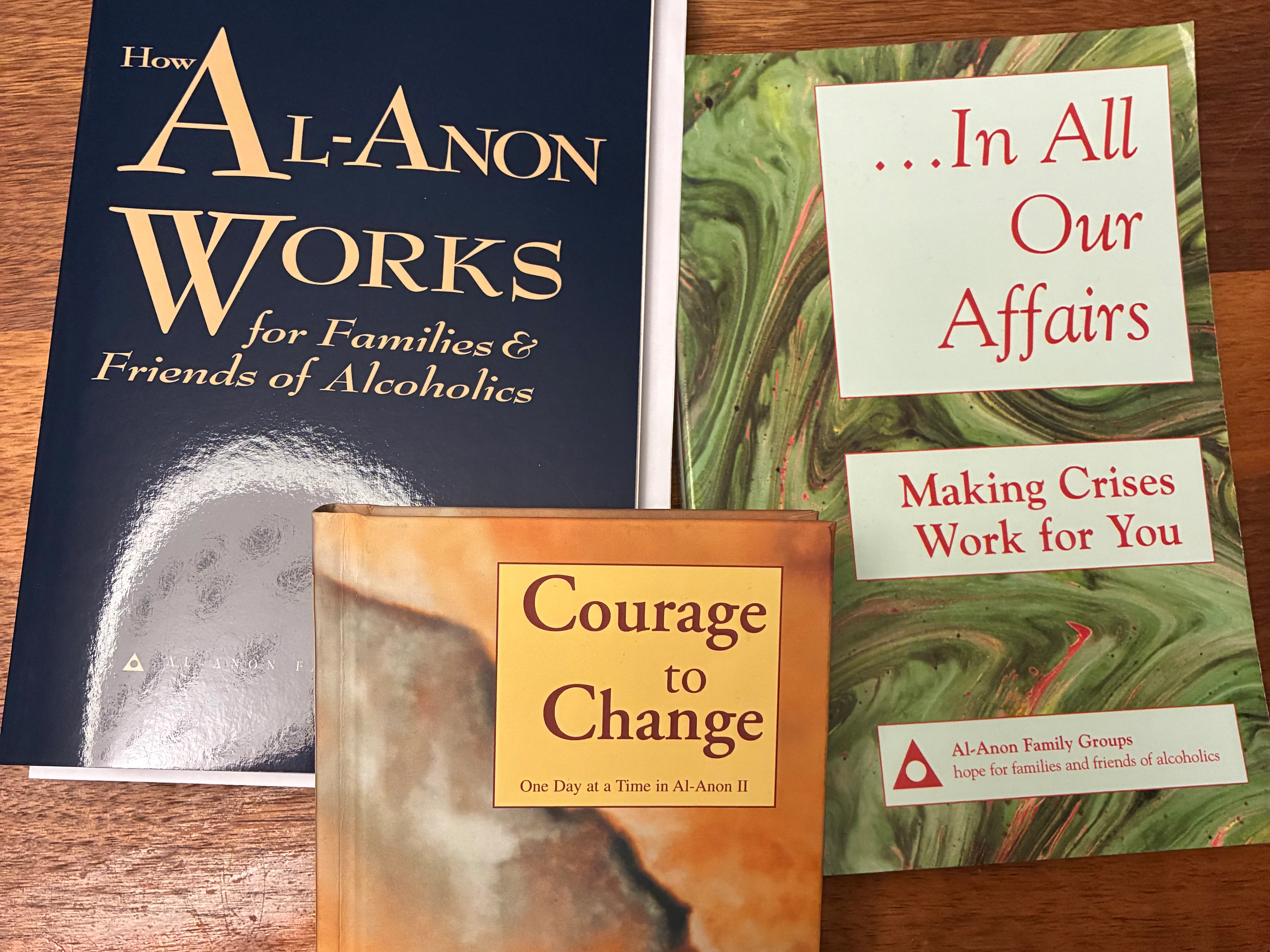
I’d happened upon this time slot after months of debating whether the 12-Step program was right for me, finally joining a beginner meeting the day after hitting my version of rock bottom in caregiving for my mom. I’d received yet another call from her aide detailing her hurling angry invectives at a friend. While this type of behavior may be caused or exacerbated by her dementia, her copious drinking certainly hasn’t helped.
Whenever I get those calls, I’m left sad, ashamed, afraid, and disheartened. Almost all the dementia literature I’ve read and experts I’ve consulted with have told me to meet the patient “where they’re at.” But that still leaves me, a people pleaser, feeling deeply uncomfortable with knowing a family member I love dearly has been rude in an over-the-top way, especially when there’s nothing I can do to halt or limit her drinking.

"Can my daughter sense the struggle the callers are going through by their tone of voice—and if she does, is that helping her develop empathy or causing anxiety?"
I’ve been grateful for a safe space via Al-Anon to try to figure out what, if anything, I should do the next time my phone rings with similar news. I’m also in a dementia caregiver support group, but their advice regarding the toxic mix of memory loss and alcohol abuse has been limited.
There are other online 12-step meetings I could join, including many I could listen to privately when my babysitter is on duty. But I like the idea of sticking to the same meeting each week, a commitment to my mental health that feels manageable when so much of my life as a member of the sandwich generation doesn’t.
After the call ends, I try to explain to my daughter why I participate in it. “Sometimes Mommy needs to talk to people who understand what she’s going through. We all need that. I hope when you’re older, you have people you can confide in, whether they’re friends or strangers or a therapist.” She’s far more interested in the spoonfuls of breakfast I’m delivering along with this message, but I hope, on some level, she understands.
In the months since that incident, I’ve struggled with whether it’s appropriate for my baby to continue to hear these calls. Can she sense the struggle the callers are going through by their tone of voice—and if she does, is that helping her develop empathy or causing anxiety?
Throughout the day, I speak to her about what she’s experiencing. “What do you see out the window? The yellow school bus!” or “Great job opening and closing the toy chest.” I ask her questions about her preferences for one outfit over another, or which color marker she’d like to use next (both with visual options). I narrate my actions around the house; as I empty the dishwasher, I state the name of each utensil, letting her help put the spoons away.
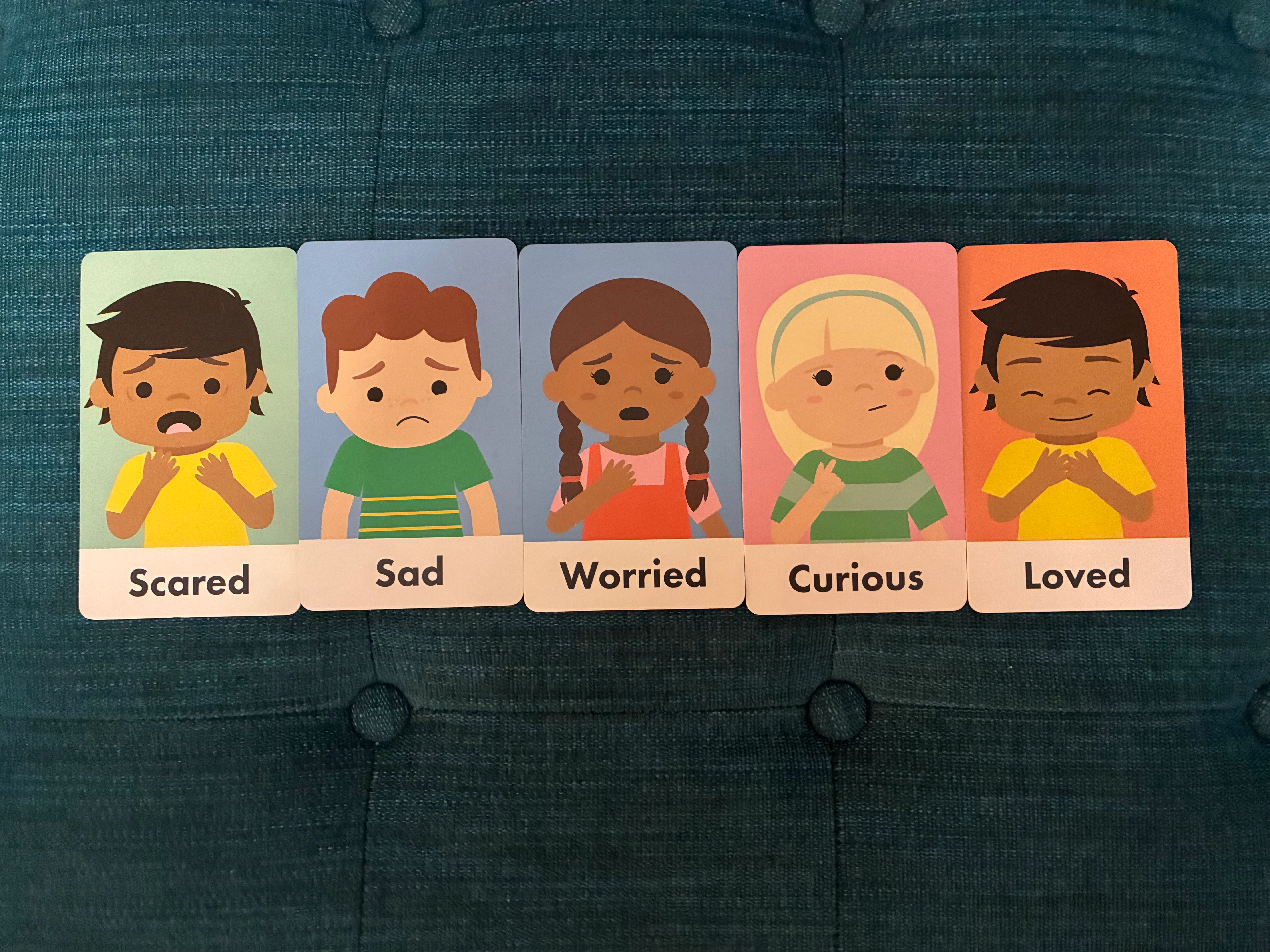
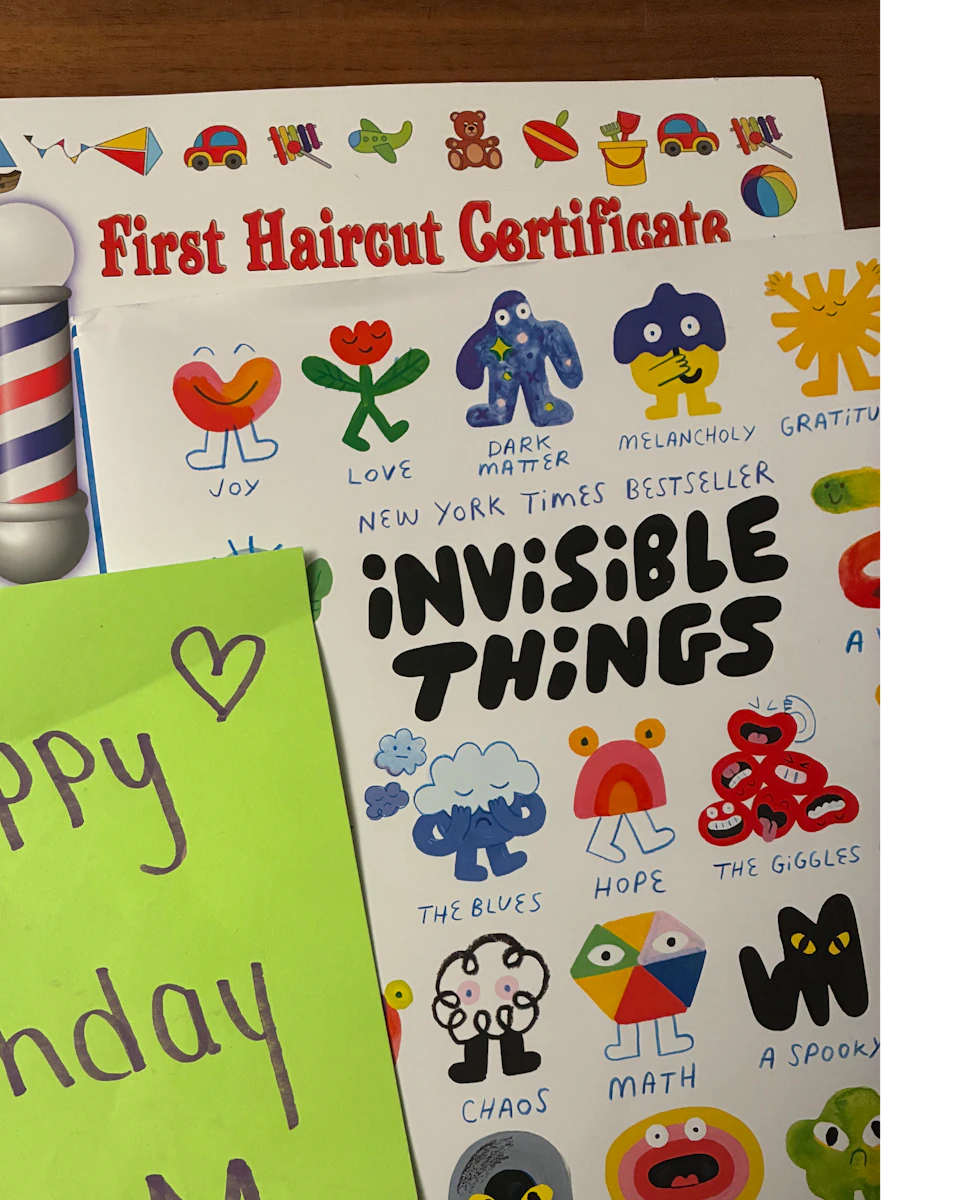
I strive to keep our conversations on her level, even if I’m talking about myself (“these are mommy’s orange earrings”). I save serious phone calls for after she’s in bed, unless they can’t wait. I think she’s seen me cry twice; both times I’ve told her it’s okay to be sad and it’s normal to experience the full range of human emotions. I don’t intend to shield her from serious subjects—I regularly read books to her about adoption and share her story in an age-appropriate way—but I don’t want her to absorb my personal stress. She’ll face enough of her own in the future.
The Al-Anon calls are my exception to this general rule, until I feel she has a grasp on the severity of the discussions. Right now, she has no idea what “serenity” is, let alone the prayer dedicated to it, though that’s something else I will teach her. I’ve opted to keep listening during this time when the only things she actively wants to hear from my phone are songs by Laurie Berkner or the Okee Dokee Brothers. Part of that decision has been self-motivated; my mental health gets a huge boost from these calls, which I believe gets expressed in my parenting.
"When she starts making friends, I want her to be the type of kid who tries to help when one of them gets hurt or is upset, even if that’s just a tiny hand placed atop another tiny hand."

I also want to normalize seeking out help from others. I want her to know if she’s ever struggling with an issue that a support group, 12-Step program, or any other specific gathering might help with, there’s no shame in joining, even if all she does is listen.
While of course the content of the meetings is above her comprehension level, the broader concept of listening and sharing stories is one I believe she should know about now. When she starts making friends, I want her to be the type of kid who tries to help when one of them gets hurt or is upset, even if that’s just a tiny hand placed atop another tiny hand.
I hope to be able to spare her the effects of my mother’s drinking, but if there comes a time when it’s inescapable, I will explain to her my understanding of alcoholism and how it impacts people’s behavior. This was a lesson I had to learn as a kid with an alcoholic father (who’s thankfully sober now) and am learning in a whole new way as an adult.
I have no idea if my daughter will appreciate any wisdom I try to pass down, or if she’ll ignore it the way I ignored so much of what my parents tried to tell me, preferring to learn by trial and error. On these mornings, I hope that, whether through osmosis or my actions, I’m feeding her both food, and food for thought.
Rachel Kramer Bussel is a freelance writer covering books, culture, and belongings, editor of personal essay magazine Open Secrets, and host of the podcast Finders and Keepers.