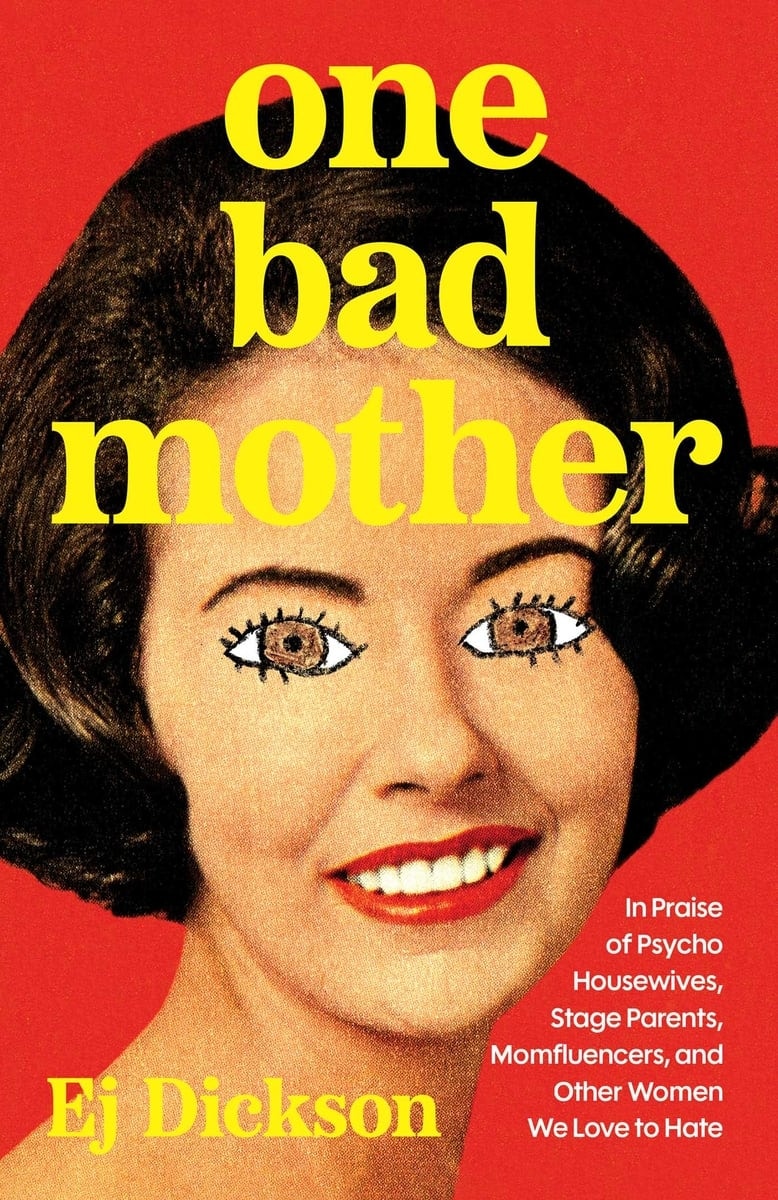
The term “bad mom” is both loaded and deeply cutting. In her first book, Ej Dickson, the intrepid and hilarious writer (New York magazine and prior to that, Rolling Stone) re-examines bad moms in pop culture and what it says about us as a society. From its deep dive into trad wives to milfs, Meghan Markle to Mommie Dearest, One Bad Mother: In Praise of Psycho Housewives, Stage Parents, Momfluencers, and Other Women We Love to Hate (out now) is a smart, funny must-read for those of us trying to make sense of the twisted state of motherhood in 2026.
What led you to take on the topic of bad moms?
Honestly, becoming a mother and just dealing with the frustration of seeing the incredibly impossible standards that mothers are held to in our society. I write about this a little bit in the book, but I'm very into that whole trend of redemption arcs for previously reviled 2000's or 90s celebrities like Monica Lewinsky or Tonya Harding. I'm interested in revisiting the lives of reviled women and not even necessarily defending them, but looking at them from a new perspective. Why and how did they become the way that they are? What are the things that contributed to them being castigated in society? And was it necessarily fair?
So that's what gave me the idea. Obviously I'm a parent so this specific topic is close to my heart and also I just really wanted an excuse to write about milfs. (Honestly there’s 20 pages about milfs and milf porn and Jennifer Coolidge and American Pie.)
I think as a writer I'm drawn to the kind of topics that other people just kind of dismiss. Like I have done a weird amount of reporting on furries for instance and on the adult industry. One of the most widely read stories in my career is a defense of the green M&M. The headline was “Let the Green M&M be a Nasty Little Slut.”
Why milfs? What interests you about them?
I like looking at things that other people might not necessarily find important and turning a critical lens on them. There's this idea when you become a mother that you basically become desexualized right and your sexuality sort of goes into hibernation. There are a lot of ways that manifests itself culturally—the fixation on getting your post-baby body back and all the shaming of celebrities who are moms and go out to nightclubs. Culturally, women are told that once they have children their sexuality is basically erased. So that was kind of the driving question behind that chapter specifically and that essay specifically is on the irony of the milf trope.
What was the most surprising thing you found about your own preconceptions when you were writing the book? Were there any beliefs that you held firmly about this topic that broke apart as you were reporting and writing this book?
Pretty much everything. The chapter that was hardest for me to write was the chapter that I really did not want to write was about moms who kill their kids or moms who hurt their kids. Basically the worst type of bad mom imaginable, doing this unfathomable thing.
I really did not want to include that chapter in the book. And I went back and forth with my agent about it. But I just kept getting asked over and over again like, "Oh, you're writing a book about bad moms. Are you going to write about Casey Anthony? Are you going to write about Andrea Yates? Are you going to write about the Lindsay Clancy story that had just broken?” I just kept getting this question over and over again. And I was like, okay, if I'm going to write a book that re-examines bad mothers and how nebulous the boundaries between a good and bad mother are, then I am going to have to talk about some of the worst mothers imaginable and try to understand what drove them to do the things that they do. And again, I really did not want to do this.
I have an aversion to the true crime genre and I didn't want to spend my one precious life reading about women who I had thought of as monsters. So I think the most surprising thing to me was speaking to an academic who studies this who I quote in the book and she's one of a small handful of people who do because people have the same reaction I do, right? They don't want to touch this subject. It's just so horrifying to us that a mother could betray her maternal instincts and do the unthinkable.
[But this academic] first started talking to women in prison who were incarcerated for abusing or killing their children, the one common thread was two things: economic instability and instability in their private lives, a history of sexual trauma or childhood sexual or physical abuse. Apparently, they always talked about how they tried to make it work, how they would save money on diapers or how they would reuse the diapers if they couldn't afford them that week or how they would take the last cans in their cupboard to feed their kids. It really struck me, like there but for the grace of God go I. Just how nebulous this distinction between a good mother and a bad mother really is. Everybody thinks that they are so different from these women. But the fact of the matter is the distinction between a good mother and even the worst mother of all can easily be collapsed. We all think that there is so much separating us from these women. But if the circumstances had been slightly different, economically or you know in terms of our mental health, everything could have been totally different.

"Everybody thinks that they are so different from these women. But the fact of the matter is the distinction between a good mother and even the worst mother of all can easily be collapsed."
You wrote a little bit about this in your introduction about the reactions you got from other people about writing this book. Can you talk a little bit about that?
I was surprised by that. I just thought it was a really interesting intellectual exercise and that everybody would agree that it was an interesting intellectual exercise to try to examine a figure like Peg Bundy through the lens of how we view motherhood throughout pop culture and history. Or talk about stage moms. I thought that everybody would be on the same page like, "Oh, you're writing a critical analysis of bad mothers and pop culture. That's really interesting!”
But no, when I said I'm writing a book about bad moms, people kind of looked at me askew. Almost as if this is my admission of guilt. Like: Why are you so interested in bad mothers? Is it because you think you're a bad mother? Why do you think you're a bad mother? What do you do to your kids? It just kind of placed scrutiny on me in a way that I didn't expect. It was very naive of me not to expect that because obviously when you become a mother there's scrutiny on you all the time, right?
Once you become a mother it's like the switch turns on where everybody is just constantly scrutinizing every decision you make. Some of that is internalized but a lot of it is externalized. A lot of it is very apparent. In terms of social media that's one of the many places where you see this play out, right? It was why I was interested in writing about Ballerina Farm because this is a woman who you would think is the apotheosis of good motherhood, right? She hues to every possible standard we have for what constitutes a good mother in America. But her comments are filled with people who are picking on her for the stupidest things. Like, "Oh, you didn't wash this apple before you gave it to your child, or “oh, I don't like the music that you're playing in this." And it just really drives home to me just how much of motherhood, just how much social media has exacerbated this already pre-existing environment of how motherhood is about surveillance and watching and being watched and judging.
"It just really drives home to me just how much of motherhood, just how much social media has exacerbated this already pre-existing environment of how motherhood is about surveillance and watching and being watched and judging. "
How did writing this book impact your personal experience of motherhood?
I would say one of the benefits of writing this book is that it really relieved a lot of the pressure for me. And that is kind of the reason why I wanted to write it, right? I wanted people to read it and be like, "Oh, this is all bullshit." This is all just old white men having these really weird conservative ideas that filter into the mainstream. I shouldn't be thinking about this shit.
The process of reporting and researching has really been a gift for me because it's made me give myself a break about things that I would have intense anxiety about feeding my kids frozen chicken nuggets.
I felt a lot of guilt about the nuggets before writing this book and after writing it I'm just kind of like who the fuck who cares. They're eating; they're eating food; I'm keeping them fed; they're growing. Why is this something that every mom in every mom group is like flipping out about? They eat goldfish and chicken nuggets. Get over it.
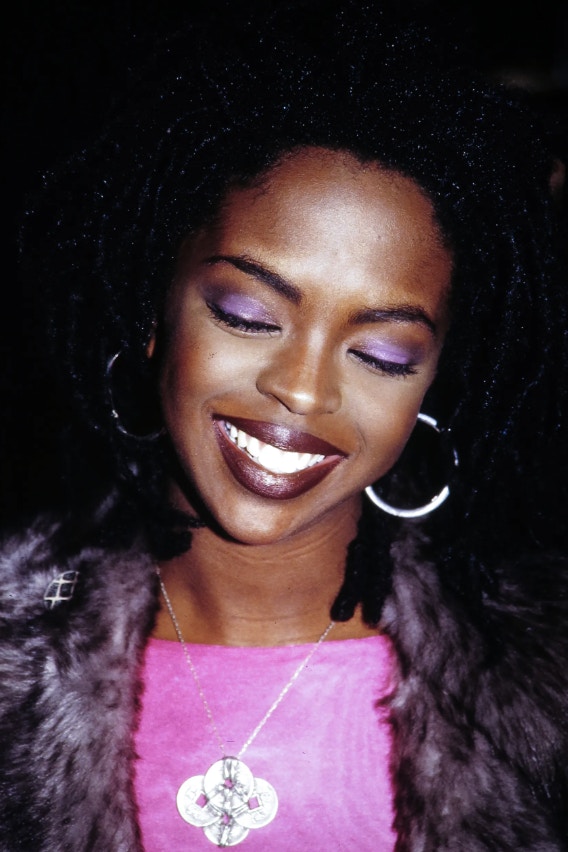
I'd known “To Zion” for a while because I love Lauryn Hill, but I came across this interview where she's talking about this song a couple months ago while I was editing the book and it almost made me cry how she spoke about how she was able to step into her own as an artist when she became a mother. You never hear that side of the story. Like you always hear about how motherhood impedes women's ability to make art or impedes women's ability to stand on their own two feet. But this is one of the few pop songs in general about motherhood, but it's one of the few examples in culture that I can think of the opposite occurring about motherhood facilitating somebody, making them more creative and allowing them to kind of embrace all parts of themselves. So I listened to it again and it added another dimension to me. I wish that she’d make more music obviously, but I wish that more people represented that side of motherhood. Lauryn Hill is another person who I think deserves more critical analysis, if she would cooperate.
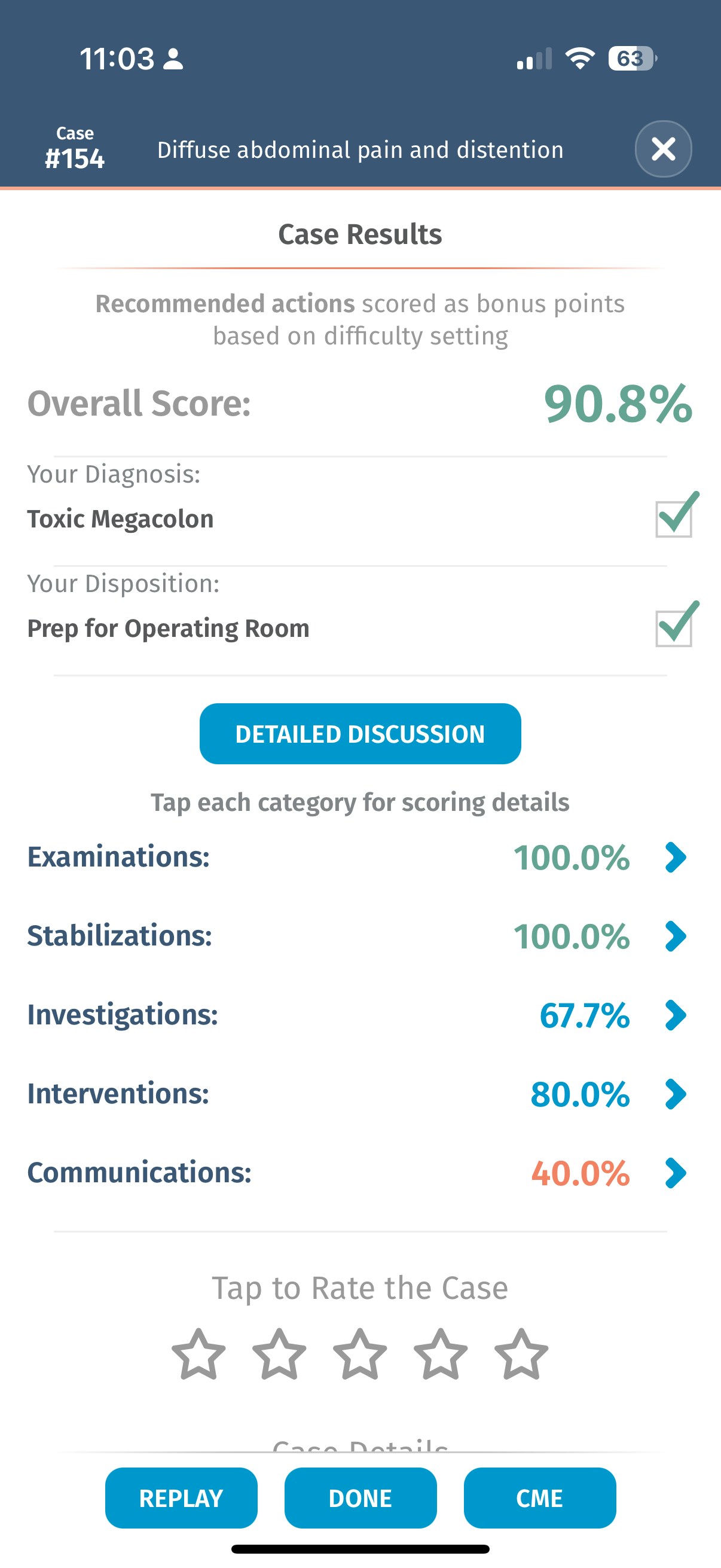
I don't have time to do yoga, meditate, work out or all the things that I should be doing, especially while I was writing this book. There were no hours in the day. I have a full-time job. I parent and I was not able to do those things.
One of the things that helped me unwind weirdly is Full Code, this app that medical students use for training. It's a medical stimulation app because I'm very into. I read a lot about medicine and health. I used to be obsessed with House and all those diagnostic shows.
It's almost a simulation where a patient comes in and you have to diagnose them and figure out what interventions to use and which department to refer them to. When I show it to my friends who are doctors, they're like: You do this for fun? But it was really relaxing for me and I really enjoy it. You learn a lot about ulcerative colitis and stuff.
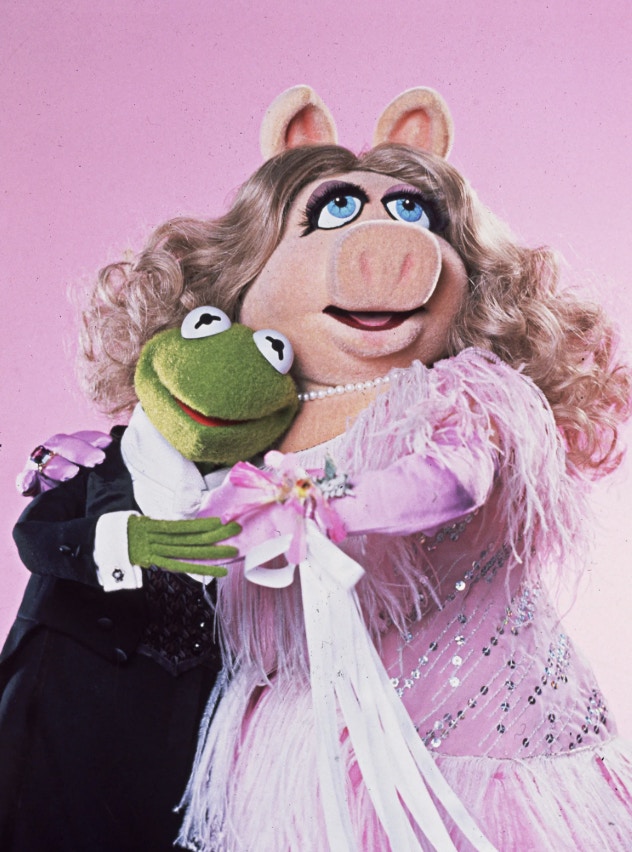
Miss Piggy is an inspiration in general. Sometimes I think about Miss Piggy and I cry because I know I'll never be as confident as Miss Piggy. [The forthcoming movie produced by Jennifer Lawrence and Emma Stone] is the one thing I'm looking forward to most. Love Miss Piggy, love her down.
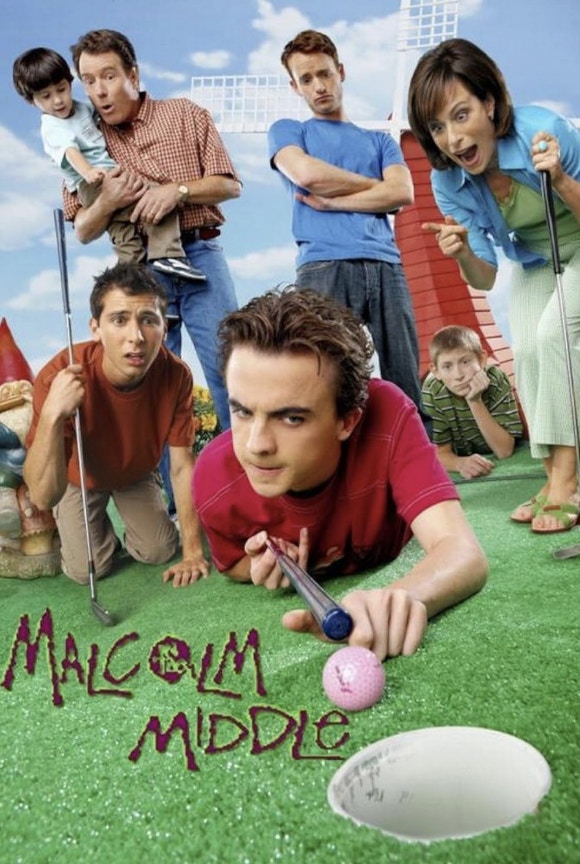
My kids are really into Malcolm in the Middle (streaming on DisneyPlus.) As a family, it's one of the few shows that we can all watch and enjoy together. It fucking rocks. I have to be honest, I really wanted to write about Lois from Malcolm in the Middle in the book because she's an inspiration to me. She is one of the major aspirational maternal pop culture figures who would be viewed by male critics as a bad mom. But she's tough as shit and she's up against it all the time. She's chronically stressed out, but she's super straightforward. She and her husband still have a really active sex life and are deeply in love with each other. She's really tough on her kids, but she's also present for them. You know, like she's a psycho, but she's never not there. And I obviously relate to that in many ways. So there's probably a nostalgia factor in there, but it still hits.
Claire Dederer's book, Monsters, was very helpful in writing this book. She's an incredible writer and it has a similar project except it's more broad. It's about how we reconcile art with the artist when the art is made by a terrible person. There's chapters on Woody Allen and canceled celebrities like that. She has one about mothers, specifically Joni Mitchell who I did not know had given up a child for adoption when she was very young, before her career started, and how we deal with artists who are mothers who can't reconcile their art with motherhood because it's impossible, right? I experienced this on a daily basis as a writer. There's this quote, you can't write with the pram in the hallway. [Ed note: the quote is “There is no more somber enemy of good art than the pram in the hall,” by Cyril Connolly.] The time and space required to write or make any kind of art can just be incompatible with the time and space required to devote yourself fully to motherhood.
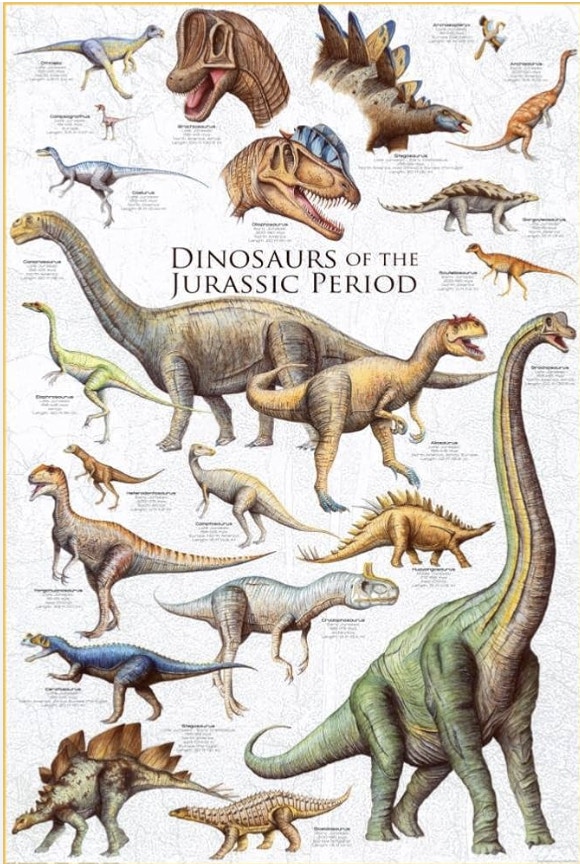
I don't think I'd be able to parent without dinosaurs currently. My kids are in an extreme dinosaur phase. My youngest just got hardcore into it, specifically Jurassic Park. He's going to need a lot of therapy.
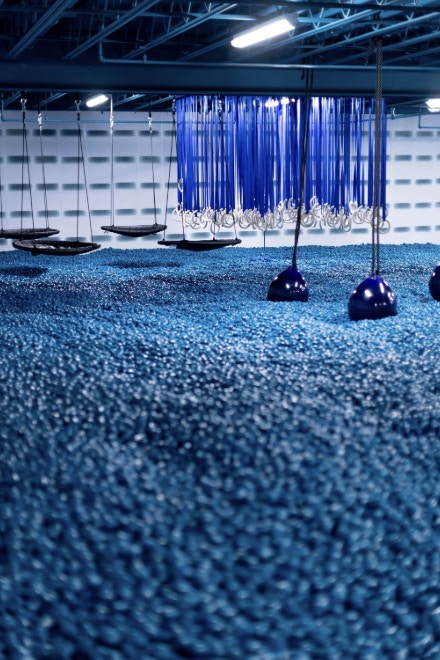
I don't know what I would do without Space Club [a playspace in Brooklyn]. It's two blocks away from my house and during the winter, I would probably go nuts without it.
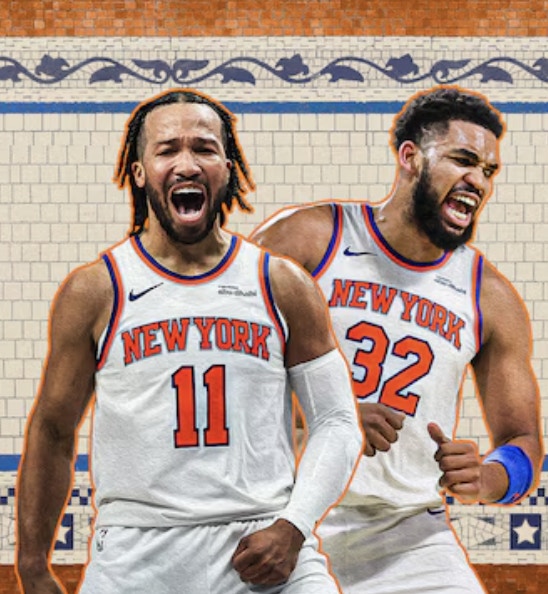
My oldest is a huge, huge huge Knicks fan and the games give me an opportunity to go and watch Heated Rivalry while my husband is watching the Knicks with the kids. It lets me have time to myself.
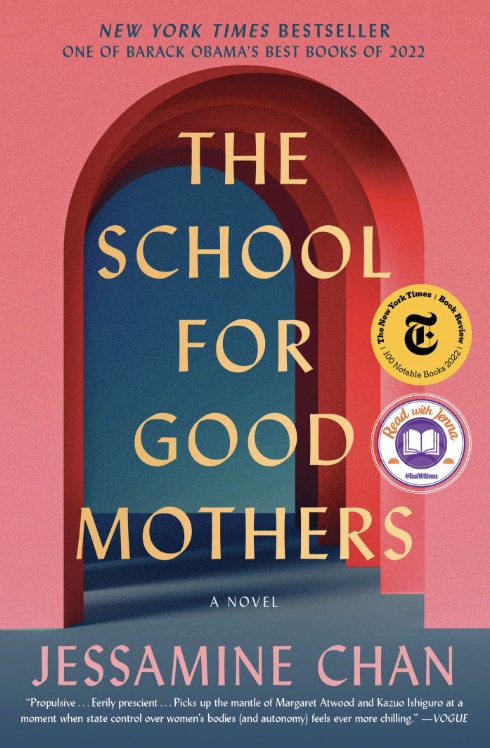
In terms of books, The School for Good Mothers figures pretty prominently. I thought it was amazing. I don't read a lot of fiction and I don't read a lot of speculative fiction, but I thought the comparisons to The Handmaid's Tale were really apt.
It's basically about this woman who leaves her child unattended so she can pick up some papers at work and it takes place in this future dystopia where women get sent to “the school for good mothers” to learn how to be a good mother again. Their crimes really range widely. The author Jessamine Chan gave an interview where she said that everything that she wrote about in the book is either stuff that she’d heard about happening or has happened or could you know could potentially happen or has happened in real life. So it's absolutely terrifying and I think drives the surveillance stuff that we were talking about earlier home further.
Are you familiar with 6 7? I don't know. My older son comes home with a new one every day. I think it's brought the family together in some ways because at first, we were like what is this thing? This is the stupidest thing ever. And then as we saw just how absurd it was and how it was essentially meaningless and how much it had swept up every other child in the tri-state area, we were like, okay, this is actually hilarious. Now we do it all the time. My son did it on the TSA line. He was like, I want to take a picture for the TSA agent. And he didn't have to, but the guy said okay. And he goes, 6 7 when the camera came on. I read something that said adults are ruining 6 7, but I don't think that's true because I saw a group of tween and teens on the bus who were saying it pretty earnestly. So, I think it still has sway for better or for worse.