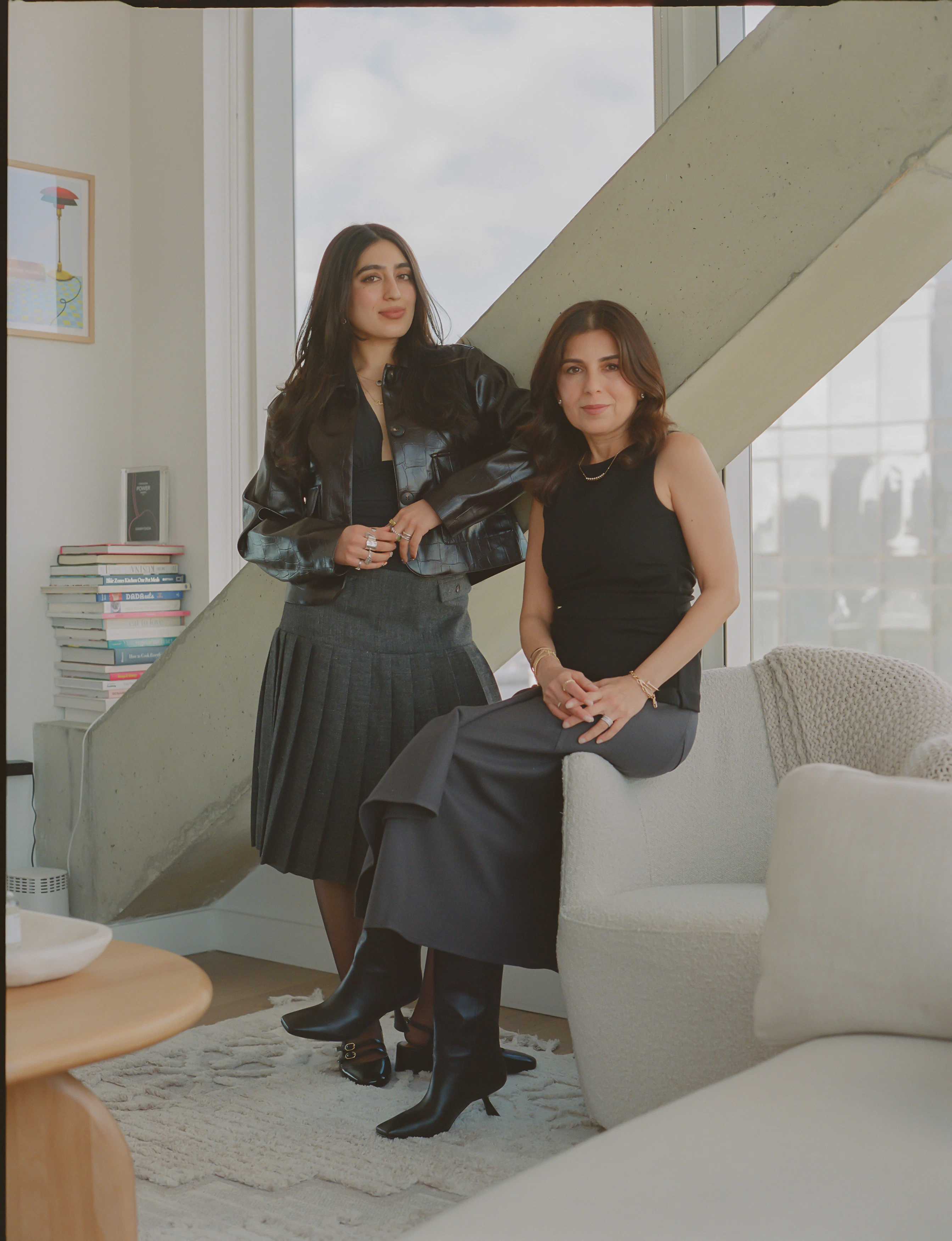
Getting Sticky with Samah Dada
So much of chef and food personality Samah Dada’s philosophy in life and in the kitchen came from watching her mother, Shermeen, cook every night for her family growing up. While her mother certainly used recipes, she was always adding this or that, tasting the food to her preference, employing what Samah calls andaaz, which is the Hindi word that loosely translate to: “in your own style.”
Her mom came from Chennai, India; went to high school in Texas; and raised Samah and her sister in Orange County, California. Was it a culture shock? At times. Was the dining room table where they felt most at home? Absolutely. Was her mother's cooking incredible? Every single damn night. And andaaz, or this attitude of trusting your own gut, putting your own imprint on things, and developing your own taste (literal and figurative) was passed from mother to daughter.
Nowadays that spirit of individuality, merged with a devotion to community and her roots, marks Dada’s cooking and persona. Below, in a special Mother’s Day Getting Sticky, Dada talks about how her mom’s exquisite food, sense of humor, and honest wisdom impacts her.
Photographs by Nuria Rius. Words by Emily Barasch.
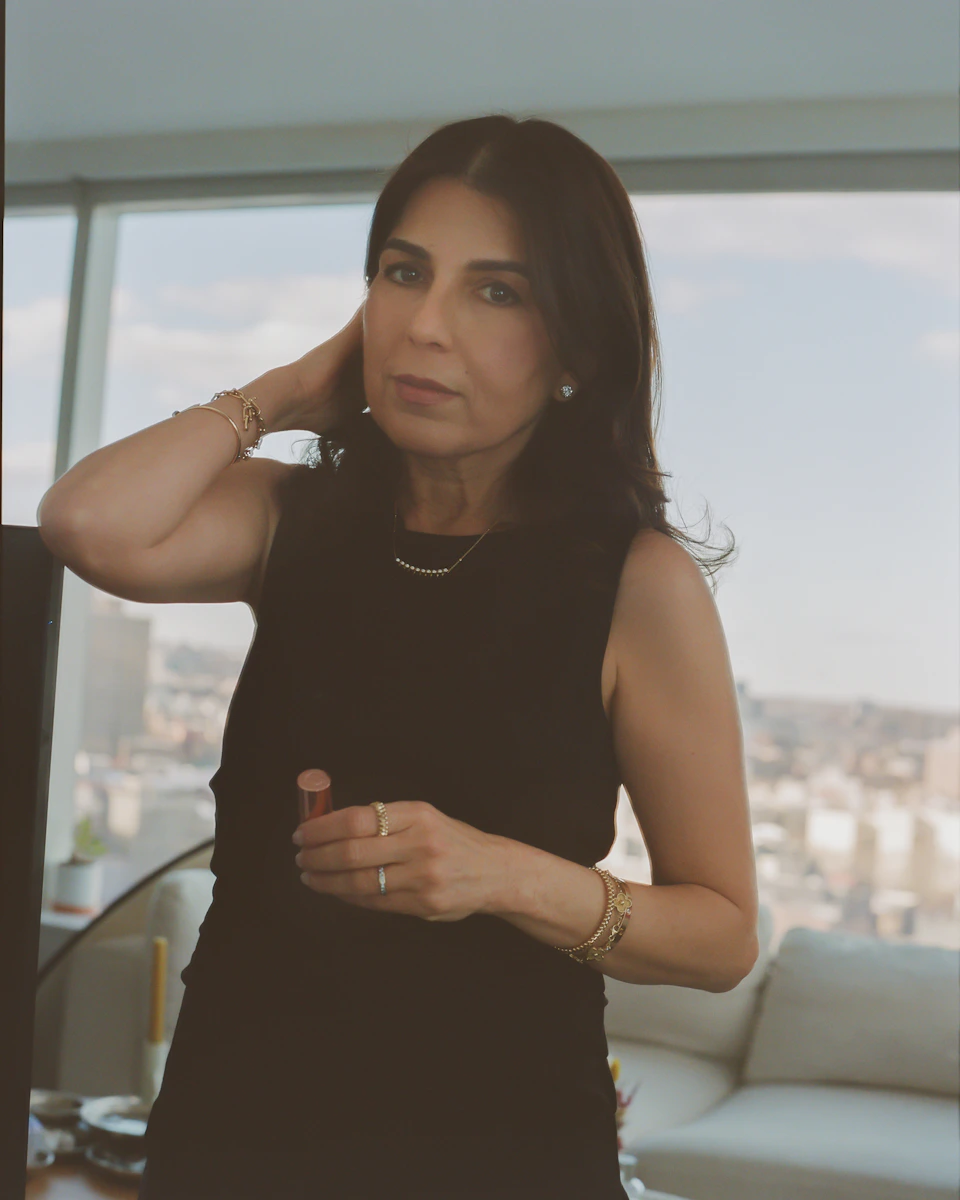
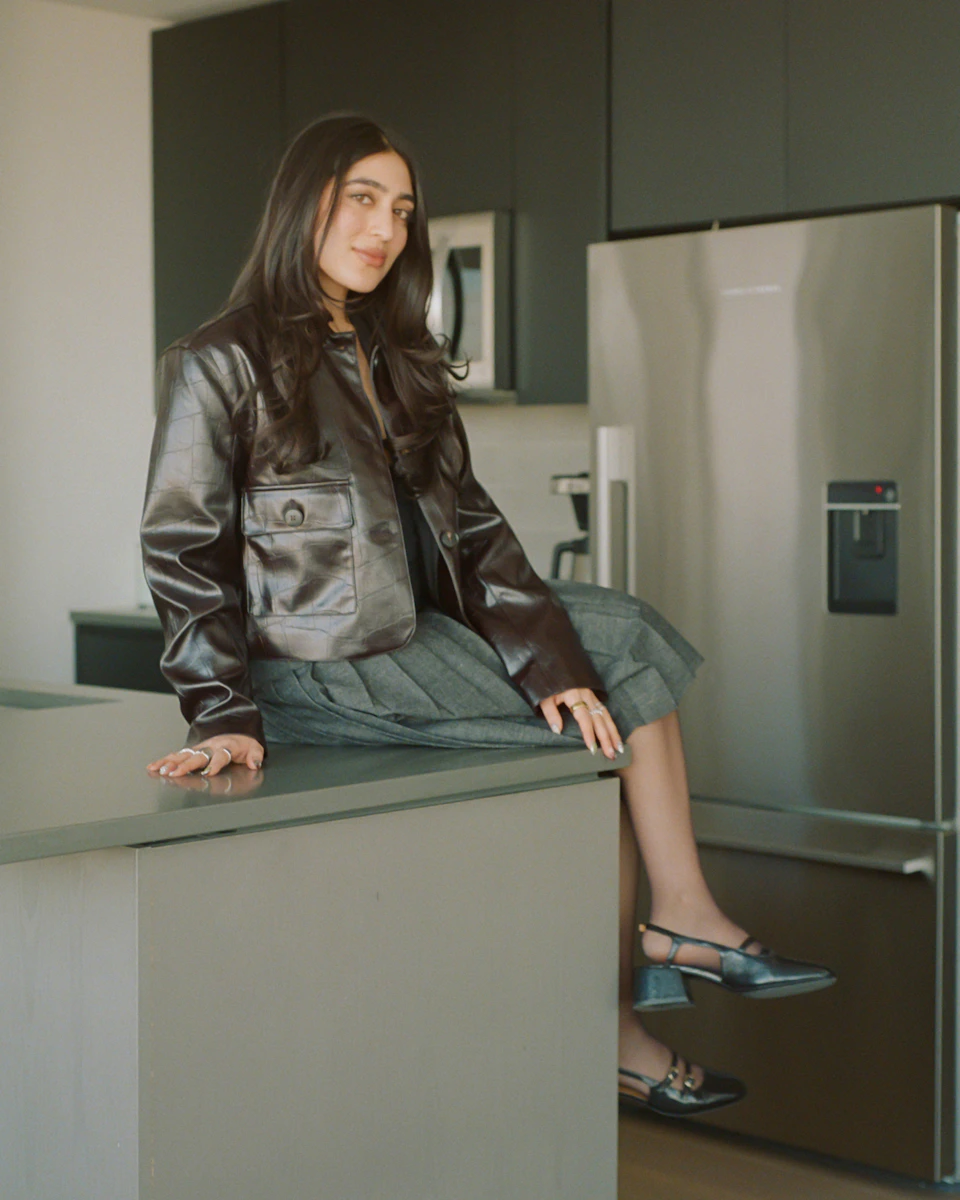
"I grew up without much of an Indian community around me, so my connection to my heritage was largely because of the food my mom was putting on the table. Every night, eating dinner was a non-negotiable for our family, which gave me a sense of belonging within my culture that I couldn't find anywhere else."
“My mom didn’t experience some of the freedom that I have in my life.”
My mom grew up in Chennai, India and she is the youngest of her siblings. Within Indian culture, the implication is as a woman, you're going to be a mom and the homemaker. You take care of her kids and raise a family. My dad and mom were arranged to get married. She didn’t experience some of the freedom that I have in my life within her upbringing. This is part of the reason why I think she's so supportive of my work and my ability to live my own life. She's always been so supportive of me.
She came to the U.S. in high school, first to Texas, and was the only Indian kid. Coming from India to Texas is such a stark contrast. She went to college in Texas and ended up getting arranged to my dad. They moved to London where I was born and then Connecticut where my sister was born. They settled eventually in Orange County, California where I went to elementary school and high school. She used to work in marketing, and majored in marketing in college, but after getting married and having us, she stayed at home and focused on raising my sister and I.
Home-cooked sit-down dinner = non-negotiable
My mom would cook dinner every single night and it was almost always Indian food. Dinner was a non-negotiable for our family, whether my sister and I were at our extracurriculars or my dad was at work, we'd always wait for everybody to get home to sit at the dinner table together. I didn't realize it was such a ritualistic experience for us, but I know now not everybody has that experience. So, I feel grateful that food was always a center point of our home life and for me, especially growing up in Orange County.
I grew up without much of an Indian community around me, so my connection to my heritage was largely because of the food my mom was putting on the table. Every night, eating dinner was a ritual and a non-negotiable for our family, which gave me a sense of belonging within my culture that, at the time, I couldn't find anywhere else.
Having a home-cooked meal every night is also super unusual. It was a special treat for us to go out. I don't even remember ever getting takeout other than maybe Domino's. I'm really grateful because it is such a privilege to be able to have home-cooked food every night. And my mom's such a good cook.
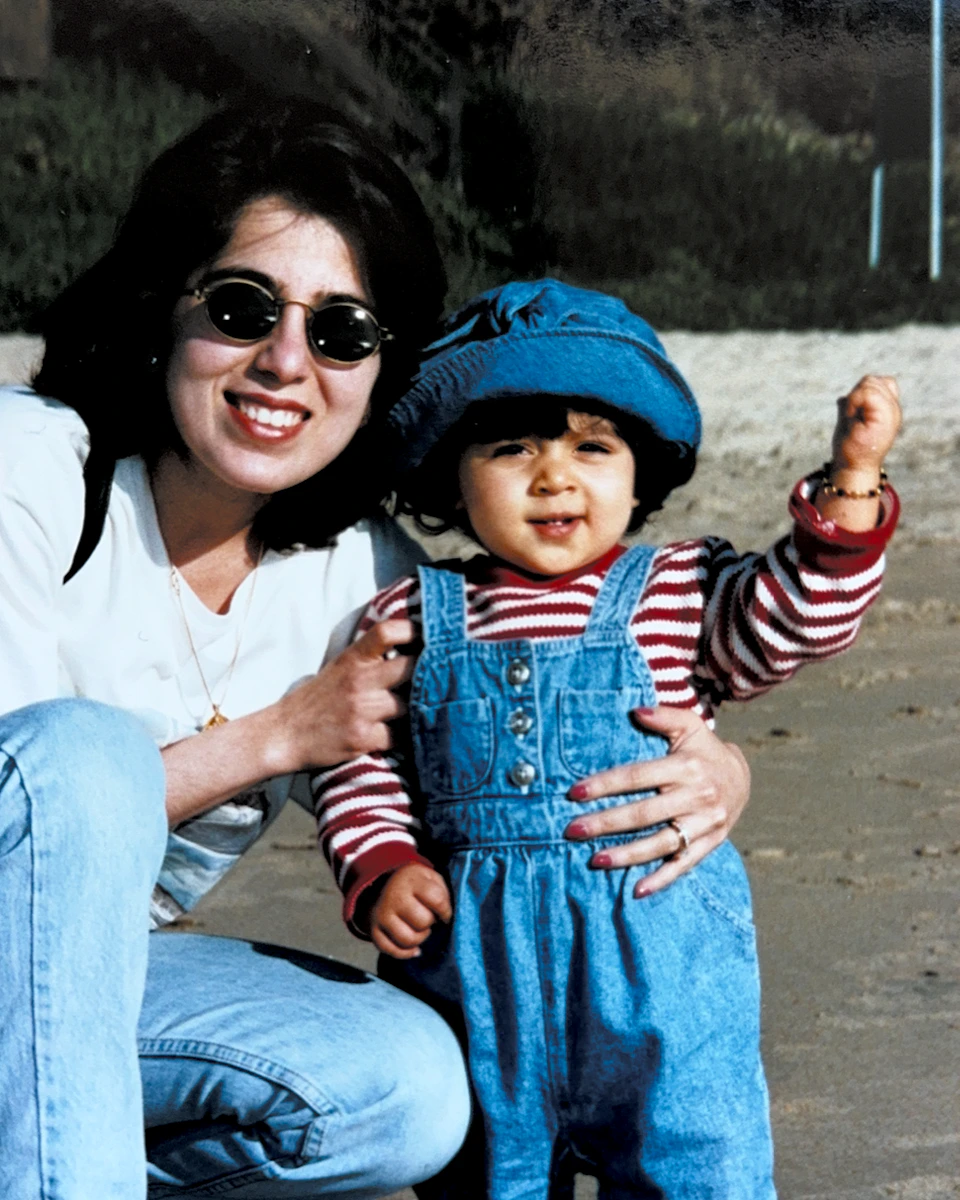
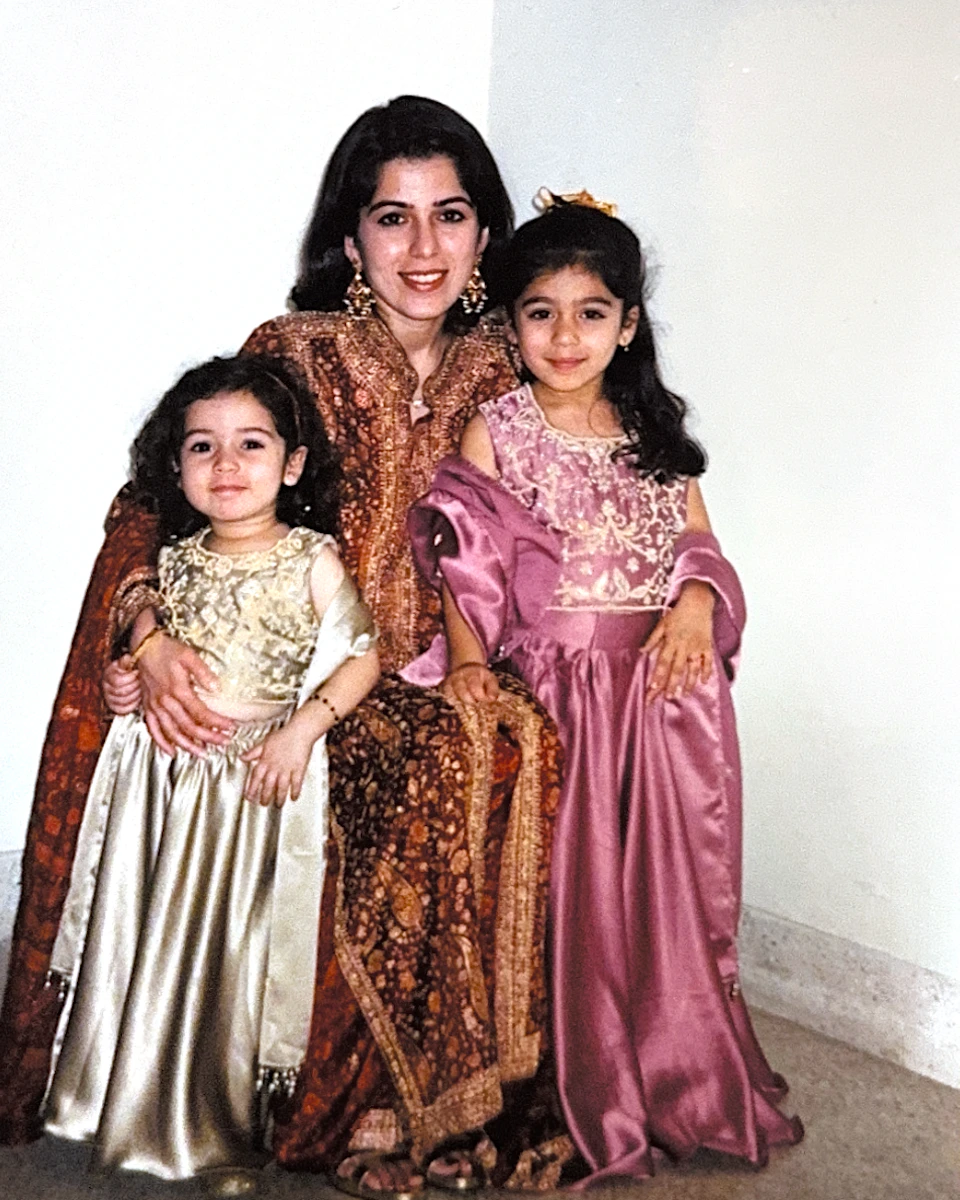
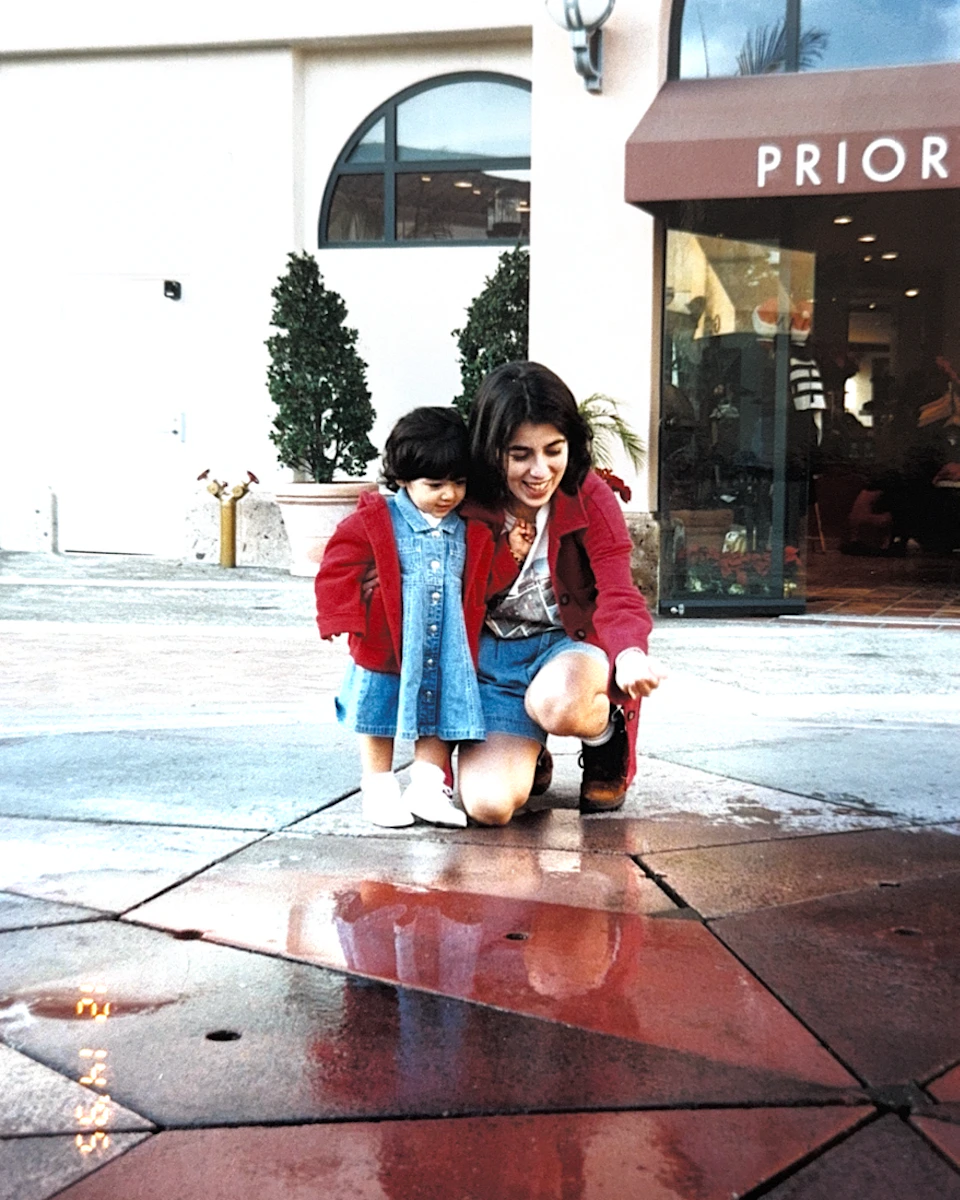
My mama got it from her mama
Well, my maternal grandma was also an amazing cook, and she had a really big influence on my mom's cooking.
My mom has written recipe books of my grandmother's recipes in our kitchen in California, which is how analog I wish I could be....yet all of my recipes are in my Notes app on my phone so my career is truly over if that gets deleted. My mom would always make a few dishes on repeat. She would always have dal, every night or every week. She would make chickpea chole chana masala. She would make different types of veg-dishes, which is also so interesting. Even though I grew up eating meat, now I'm plant-based.
Andaaz, the Hindi word for “in your own style”
I know many other immigrant kids could relate to this, but watching my mom cook was always baffling to me. She would throw stuff in the pot without measuring a thing, and still be able to replicate it time and time again. As a kid, I'd always ask my mom, 'how do you know how much to put of everything?' And she'd always explain that it's because of her andaaz, which loosely translates to "in your own style." The freedom and intuition I learned from her has informed so much of my own ethos within my work today. That flexibility with cooking is really special because it's almost as if that's the technique. It's not so formal. You trust yourself and trust your palette.
As a kind, I loved trying new foods. I was a lot more experimental in my family. I always wanted to try the crazy thing on the menu with my parents and my sister, and I was always interested in what my mom was doing when she was cooking.

"My mom is so selfless! Probably to a fault. She always put the needs of my sister and I before her own. We're so grateful for what she gave to us, and for her encouragement to grow and dream in all the ways we want to."
Veggie supremacy
My work is plant-based. I never had to learn to love my vegetables because my mom would always make plant-based and vegetarian food in such delicious ways with so many spices and flavors. (I never had to be forced to eat plain steamed broccoli.) So, that is a blessing too because I just love plant-based cuisine. It's informed a lot of the way that I cook, especially because Indian food is so largely vegetarian-based. There are so many amazing dishes that are veg-heavy; that was really cool for me to have experienced growing up.
Growing up Indian in The O.C.
My parents were Americanized and because they went to high school here, I think they had no choice but to assimilate so smoothly. This almost makes the identity crisis a little bit more intense because you're not from here and your parents are not from here, but they're blending in just enough where it makes sense. But you always know that there's an inherent piece of you that people can't relate to. I was the only Indian person I knew in Newport Beach. It's very much like the T.V. show, The OC.
I think I felt like a little bit of an outsider. But I had a positive attitude. A lot of the stuff that you experience, only in hindsight can you realize: Wow, that was a really difficult thing. But when you're in the moment, you keep plugging. I didn’t always feel like I belonged. I think that’s why food was so important because when I went home and we all ate with each other around the dinner table that was really when I felt most at home with my Indianness. At other times, I tried to run away from it as much as possible. Like I was bringing spiced beef sandwiches to school or work, and sometimes I just wanted Lunchables. It's the classic immigrant food kid story.
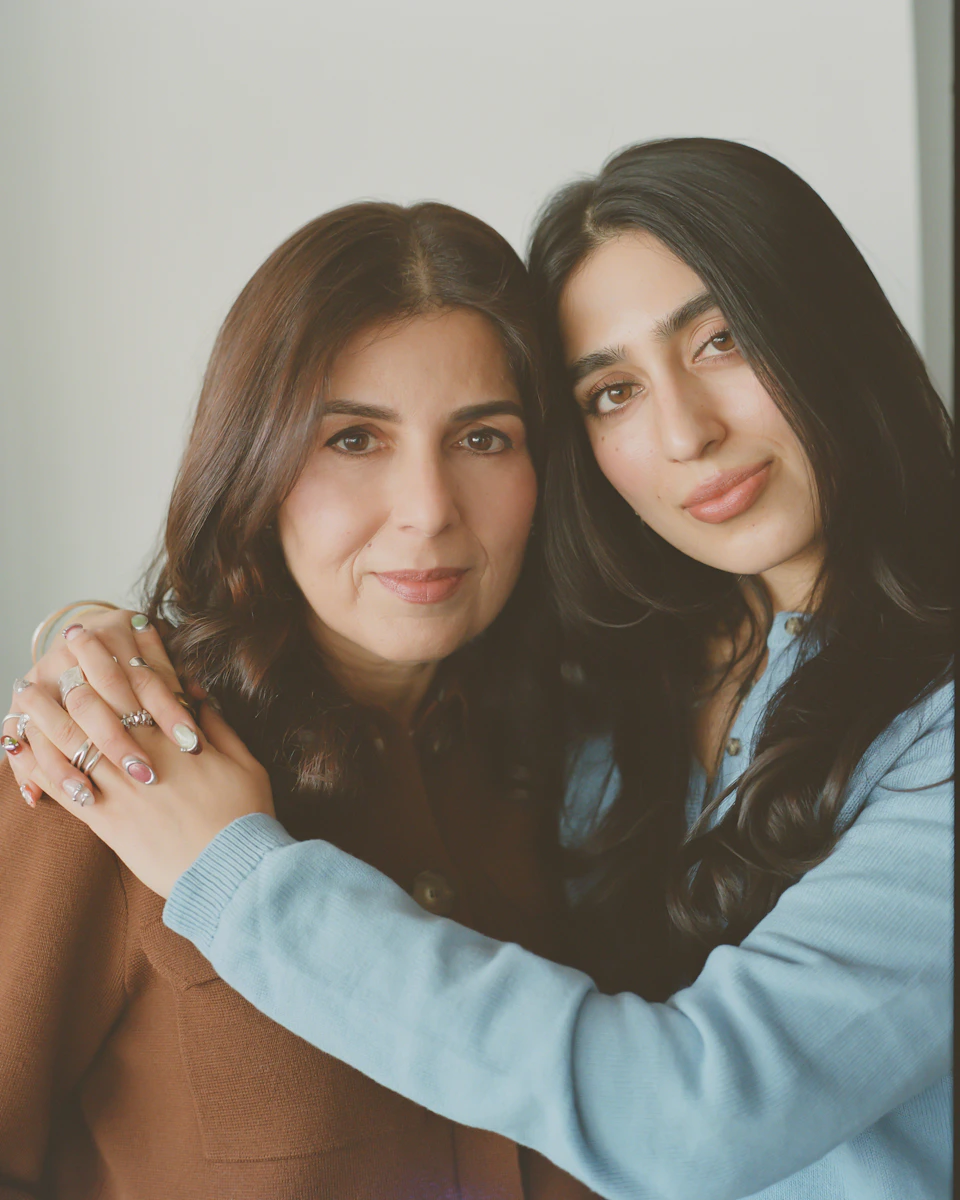
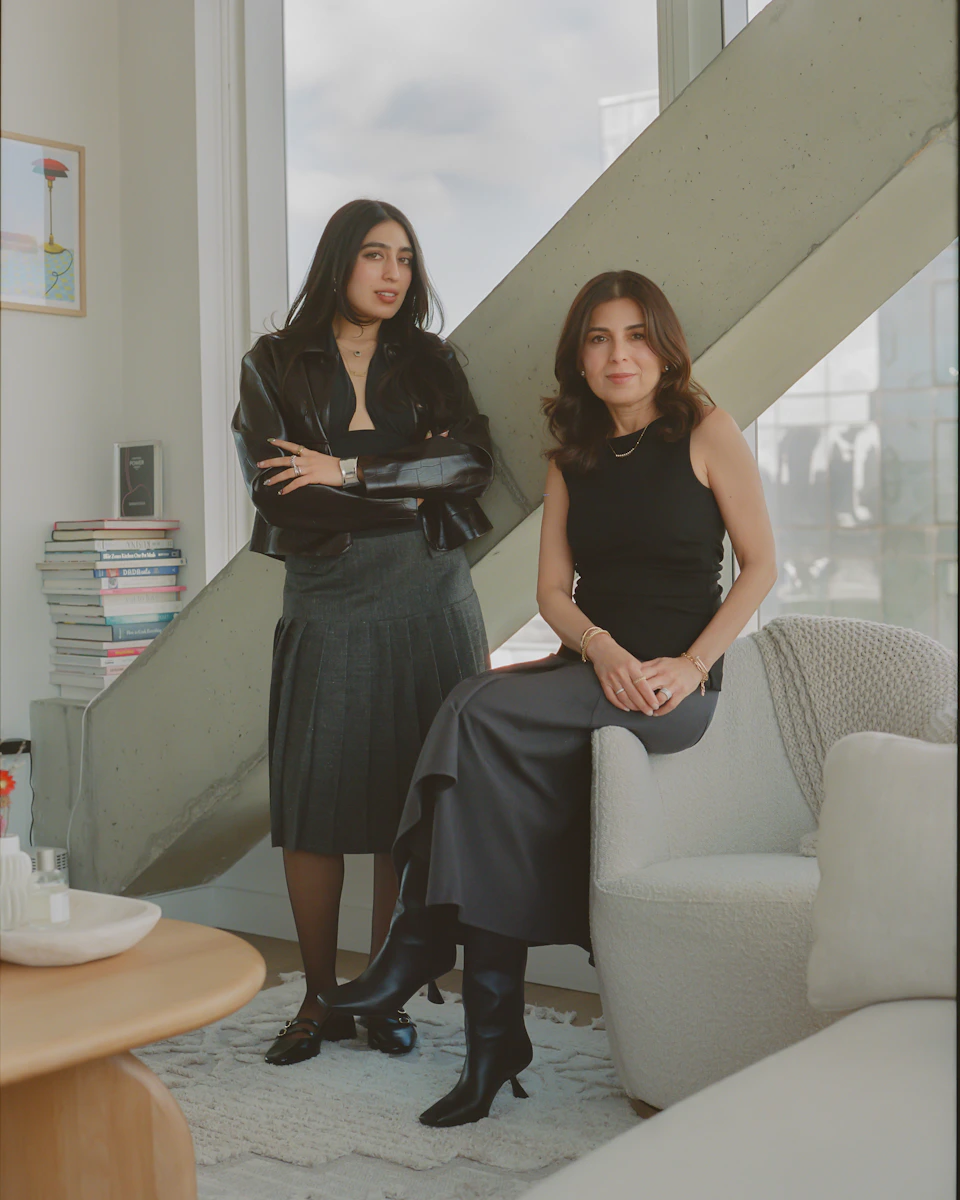
"Watching my mom cook was always baffling to me. She would throw stuff in the pot without measuring a thing, and still be able to replicate it time and time again. The freedom and intuition I learned from her has informed so much of my own cooking."

When you visit home, who is cooking?
When I go home, my mom is cooking. She’s like, "Sit down, girl. You've done enough." My mom definitely is good about being like, "It's my turn, girl." You know, which is nice. I love that for us. But I will always do dessert for my parents.
Our cooking style is similar but also different in that I cook Indian food, but I also cook a lot of other different cuisines as well. My mom is just so good at cooking Indian food. I can always try but I don't think our food will ever be as good as our parents' or grandparents'.
When they visit New York, we go out a lot because New York is such an amazing food city. My parents love L’Industrie Pizza and we'll go to Sema.
Moms give the real tea
My mom is so selfless! Probably to a fault. She always put the needs of my sister and I before her own. We're so grateful for what she gave to us, and for her encouragement to grow and dream in all the ways we want to. But I'm like, "Girl, you got to think about yourself. What do you want to do? Take care of yourself." That is not just her story, but also the story of a lot of immigrant parents in that they want to make their kids' lives better than theirs’ were. She’s just super selfless in that way.
My mom's also really funny and she's somebody who I go to when I need realness. She doesn't tell me what I want to hear. She'll give me the real tea and I appreciate that in her. She's not always just patting me on the back like: Okay it's great, everything is great. She's like: No, you need to value yourself. You need to do this. You need to do that. I appreciate the transparency and the honesty in our relationship.
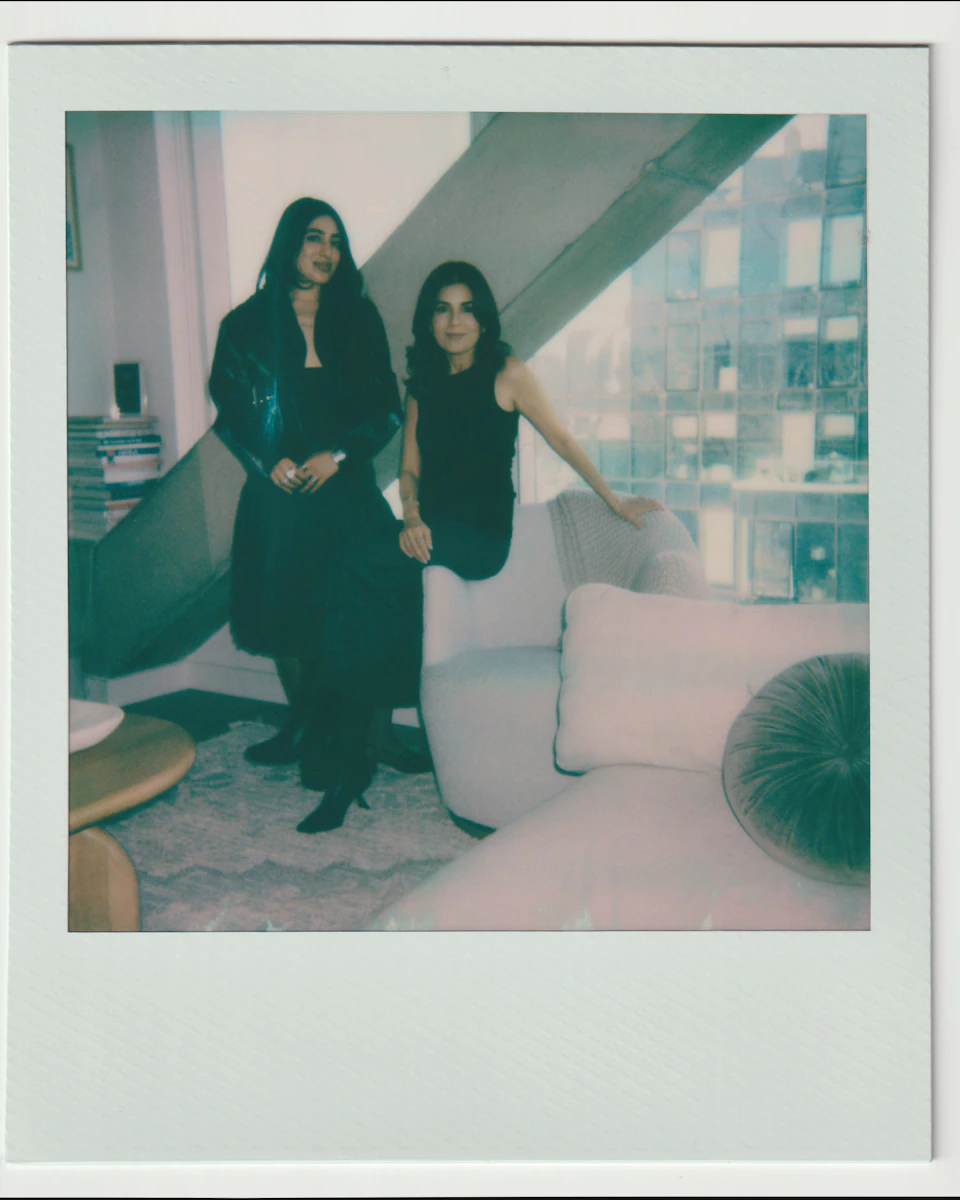
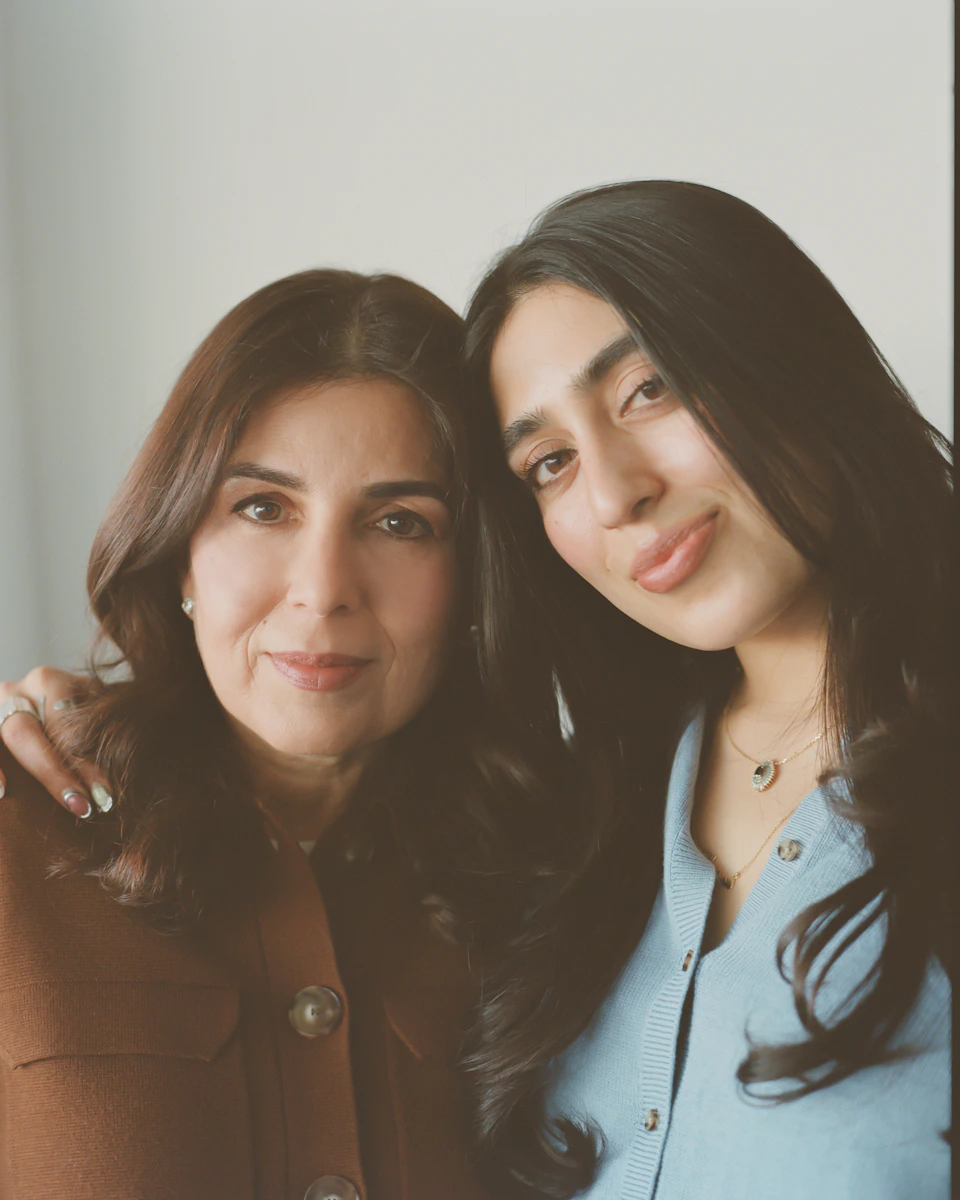
"My parents had no connection to television, media, or the food industry—they had never been on a TV set in their lives before coming on mine. But the trust and confidence they instilled in my sister and I to figure our lives out in whatever way we wanted to is something I don't take for granted."
Chosen family…is actual family.
As we get older, time with family and friends becomes something we consciously choose and carve out in our busy lives. My family and chosen family means everything to me and I could not live a day of my life without them.
It's so important to have a relationship where there's always going to be an elder respect but also, we're able to communicate in a way where we're both adults. We both know that you choose your relationship, right? For a lot of people, when you get older, you can choose how much or how little you see your family and the boundaries that you have with your family members, with loved ones and friends. So I think it's an amazing and beautiful thing to actively choose your family and choose your loved ones in that way.
Letting daughters fly >>>
Something that I really admire about my parents is that even though their upbringing was very regimented and strict, my parents have let my sister and I just do whatever we want with our lives and our careers. I say “let” reluctantly because we're all adults and we can do what we want to do but having the support of your parents means everything. There's a lot of cases where many of my counterparts would be like: Okay well you can either be a doctor, a lawyer or a dentist, which is a stereotypical thing. But I do know many Indian families where that’s expected—to pursue something, safe, secure, and stable. And I became a chef on TV.
My parents had no connection to television, media, or the food industry—they had never been on a TV set in their lives before coming on mine! But the trust and confidence they instilled in my sister and I to figure our lives out in whatever way we wanted to is something I don't take for granted, and am so grateful for.
The Dada effect
I want everyone to feel like they have a seat at my table. Chasing inclusivity within my work is my priority and the thing I'm most proud of. I want everyone to feel seen, heard, and that there is always a space for them. I think that's my main goal is that I want people to feel like they belong.