Getting Sticky With Lelanie Foster
Photos by Lelanie Foster, Words by AnaMaria Glavan
We’ve been fortunate to work with so many wonderful creatives—across writing, art, and photography—but one of our favorite human beings to collaborate with is Lelanie Foster.
A photographer and Bronx-born mother of two (a toddler and an eight-month-old), Lelanie has an extraordinary ability to capture the human experience from behind the camera, especially the raw, emotional moments that come with pregnancy and motherhood. Her work feels intimate and unguarded, an approach that has only grown more resonant since she became a mother herself. In many ways, motherhood has sharpened her gift. It has allowed her to understand people more deeply, and that sensibility carries directly into her work behind the lens.
We spoke with Lelanie about breastfeeding and tongue ties, the importance of home and extended community, and how motherhood shifted her relationship to being photographed: “Being pregnant gave me a different kind of confidence in my body, a willingness to show up in front of the camera that I don’t think I would have had otherwise.”

Is it a cash grab?
I have a toddler and an almost eight-month-old. The pregnancy with my first was smooth, and the birth was smooth. Labor and delivery felt like a piece of cake. The part that felt overwhelming came afterward.
My daughter cried a lot. Breastfeeding was painful and difficult, and eventually her weight gain plateaued. I became concerned and started to think something was wrong with me for not being able to give her what she needed. That was a hard thing to sit with. I was very committed to breastfeeding and doing everything I thought I was supposed to do.
The pediatrician suggested starting formula, but I wasn’t getting answers about why. There were tests for a milk allergy and other possibilities, but nothing felt conclusive. Just like when we were trying to get pregnant, I didn’t want to accept a vague answer. Luckily, lactation consultants exist now, but it took a process of trial and error and seeing three different consultants to figure out that our daughter had a tongue tie. I learned so much about tongue ties after that.
Around the same time, there was a big New York Times article about the so-called infatuation with tongue ties, that it was just a business, that it wasn’t real. This came out right after we had gone through the process. Our daughter had a laser procedure to release the tie, followed by really stressful stretches we had to do afterward. For us, my breastfeeding struggles were resolved almost instantly. Then the article came out, and I felt another wave of guilt; maybe I had done the wrong thing and it was all just a cash grab.
It had been such an intense experience to deal with a baby who felt constantly upset and not being able to figure out why. But she was just hungry. Even now, thinking about it tugs at me—the idea that my child is crying because they need something they’re not getting. It feels so much simpler looking back at it now. Feed your child however you need to feed them.


It wasn’t art that got her through it…
What got us through those difficult first three months was my home—my husband and me deciding we were going to figure it out together. It meant late nights, already being up all the time, digging through resources, reading stories, searching for answers, and not accepting that something still felt unresolved. That determination came from both of us.
My husband is my rock. Even though it was my body physically going through it, it was our challenge to solve together. We went to every lactation appointment together, and we still approach things as a team. Our families were also incredibly supportive. Extended family and friends were encouraging and supportive, even if they hadn’t gone through the same thing.
Once you become a parent, it feels like an all-or-nothing responsibility. You made this choice, and you have to do whatever you can to take the best possible care of them. Some days you can’t do your best, and sometimes that’s more than just a few days. But when it comes to their health and well-being, there’s this pull that you’ll do whatever it takes to make sure they’re okay.
"Once you become a parent, it feels like an all-or-nothing responsibility. You made this choice, and you have to do whatever you can to take the best possible care of them. Some days you can’t do your best, and sometimes that’s more than just a few days. But when it comes to their health and well-being, there’s this pull that you’ll do whatever it takes to make sure they’re okay."


With our second baby, we knew we wanted more than one child, and we knew it might take time again. But he came very quickly. It was another smooth pregnancy and birth. We knew what to look for. We knew how to advocate. If something came up, we were ready.
He ended up being the complete opposite of her. He gained weight immediately—four pounds the first month, four pounds the second. He was calm, relaxed, slept well, and ate well. He made the transition easier, honestly.
Balancing work and two kids so close in age looks very specific to my career. One of the blessings is that I don’t have a job where I need to be in a very specific place from a very specific time every single day. That flexibility has shaped what postpartum and maternity leave have looked like for me. My time has been more flexible than it would be with a traditional nine-to-five where you have to physically show up somewhere every day.
What’s really made it possible is family. Grandparents have been the saving grace from day one. My husband also has a somewhat flexible schedule, so we all kind of tag-team: me, my husband, and the grandparents.
One of the biggest things I’ve learned from grandparents is patience. They’ve been through it. They’ve raised children and had time away from the thick of it, from the most difficult parts. They come into these babies’ lives with such levelheadedness and joy. Things don’t phase them in the same way. Some of the smallest things can feel overwhelming when you’re in the thick of raising babies, and having people around who have survived it brings perspective.

"One of the biggest things I’ve learned from grandparents is patience. They’ve been through it. They’ve raised children and had time away from the thick of it, from the most difficult parts. They come into these babies’ lives with such levelheadedness and joy."
We regret to inform you that rigid bedtime routines do matter
Our kids go to sleep at seven. That time afterward is sacred. We really value the bedtime process and what comes after it. Having quiet, having a break, watching a show uninterrupted, eating a meal uninterrupted, having real conversation without interruptions. That time feels like something to look forward to every day.
Before becoming parents, we thought we didn’t want to be overly rigid or routine-driven. But now we really understand how important structure is—not just for the kids, but for us. It protects our mental well-being. It allows us to step away from parenting for a moment and have time that’s just ours.
There are definitely times when we deviate, when life is unplanned, and that’s part of parenting too. It’s important to go off routine sometimes. But when we can stick to it most of the time, it helps us stay sane. It helps us be better parents, better partners, and better people.
"Before becoming parents, we thought we didn’t want to be overly rigid or routine-driven. But now we really understand how important structure is—not just for the kids, but for us. It protects our mental well-being."
The most precious piece of motherhood pie: observing
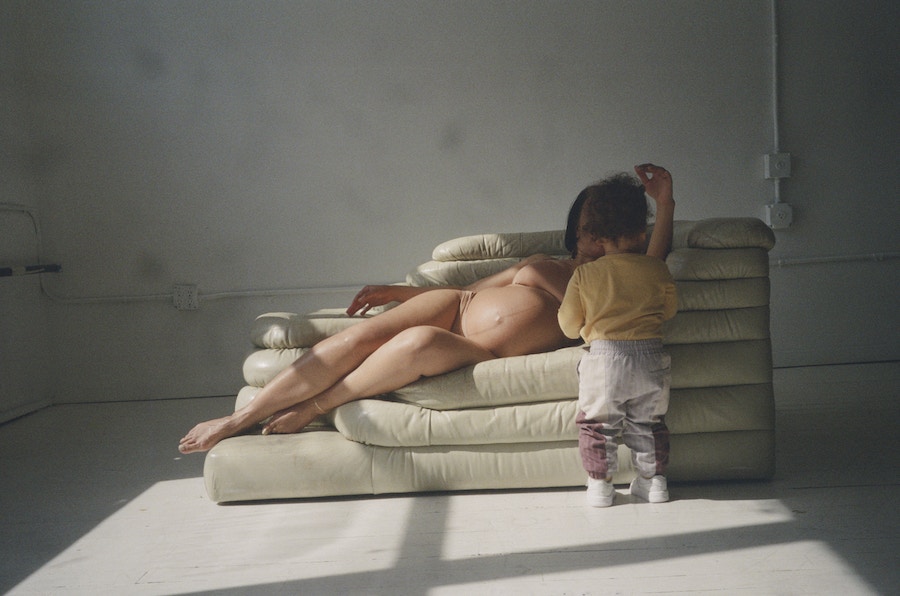
There are so many favorite parts of being a mother. Watching development is at the top of the list, to see the learning process unfold, to learn about human beings more deeply. From the simplest things, like waving or clapping or laughing, to saying words, expressing preferences, liking things, not liking things. Watching a human develop in real time feels incredibly special. It’s emotional. It’s an honor. There’s really nothing that compares to it.
And also, all of it is tremendously hard, and I know as they grow and face different challenges, other things will probably feel harder than what we’re dealing with now. Rest makes it easier. When you don’t have that, it creates a domino effect in everything else: how you care for others, how you show up. Just getting any kind of rest has been one of the hardest transitions. You start seeing sides of yourself you didn’t even know existed. There are sides of myself that I never want to see again because of that.
There’s also this sense that when you have kids so close in age, you never really exit that postpartum stage. You’re already in it, and you just stay in it. I can imagine how hard it would be to come out of that intense period and then go back into it again. Being already in it, as overwhelming as it is, almost makes more sense.



"There are so many favorite parts of being a mother. Watching development is at the top of the list, to see the learning process unfold, to learn about human beings more deeply."
“So many people feel stuck”
Doing this kind of work—especially around women’s wellness and motherhood—speaks to me so much more. There’s a desire to work with other mothers and other women, or people who feel like they’re going through similar experiences.
There’s so much weight that comes with doing anything creative, freelance, or entrepreneurial. Having a family and having children feels really scary. It’s something I always wanted, but figuring out how to do it—how to make it happen while also trying to figure out your career at the same time—has always felt like a challenge, trying to marry the two.
So many people feel stuck, like they can’t pursue a career because they’re mothers, or they can’t pursue motherhood because of their careers. That tension used to feel like a point of contention for me, like I had to reach a certain place in my career or make a certain amount of money before I could have a family. Some of that matters, yes, but I also think I placed too many conditions on it.
Everyone says this, but you’re never really ready until you do it. Being on the other side now, I’m much more interested in figuring out how to blend all these parts of life so they make sense together. This is what it looks like, and that’s okay. It might not have made sense to me before, but now it does.
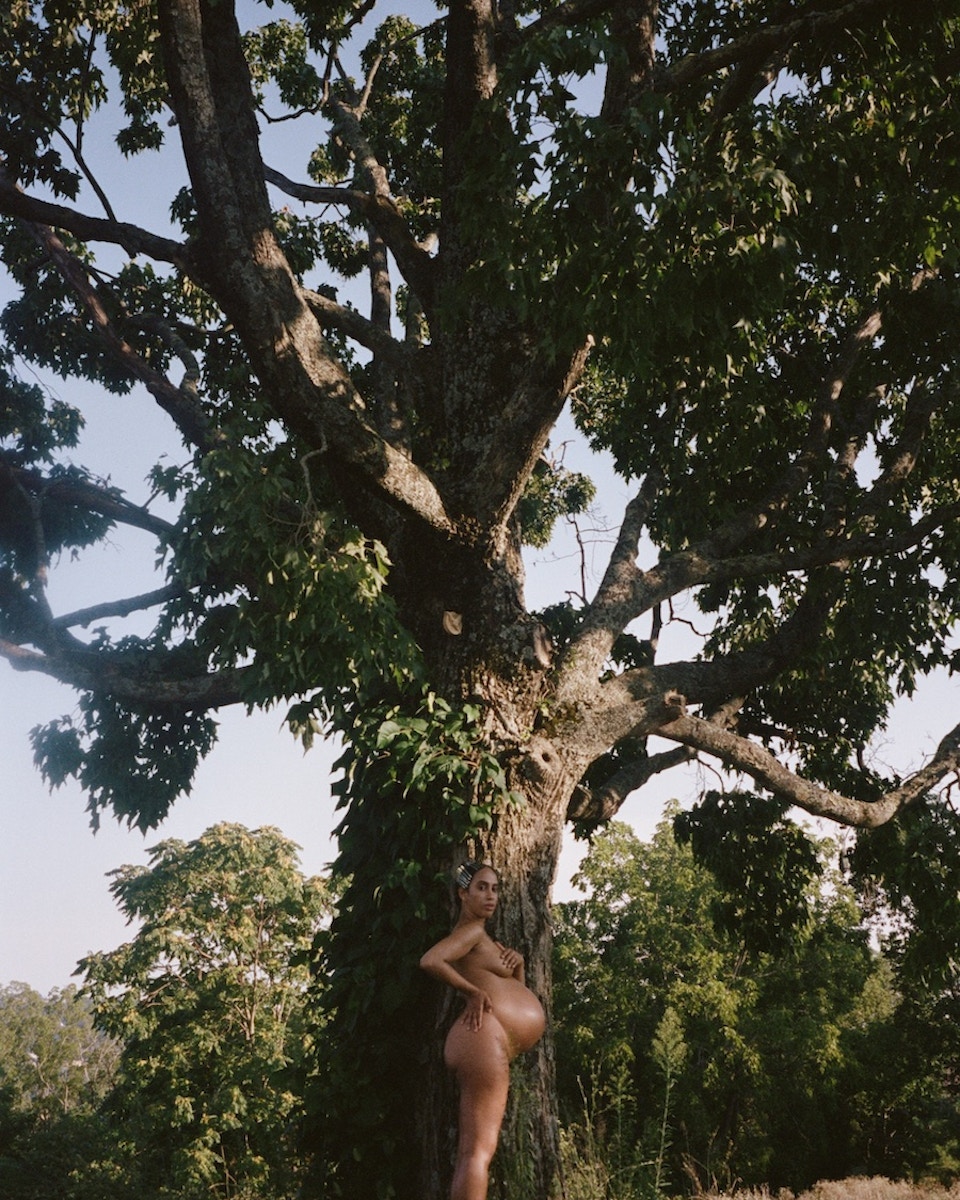
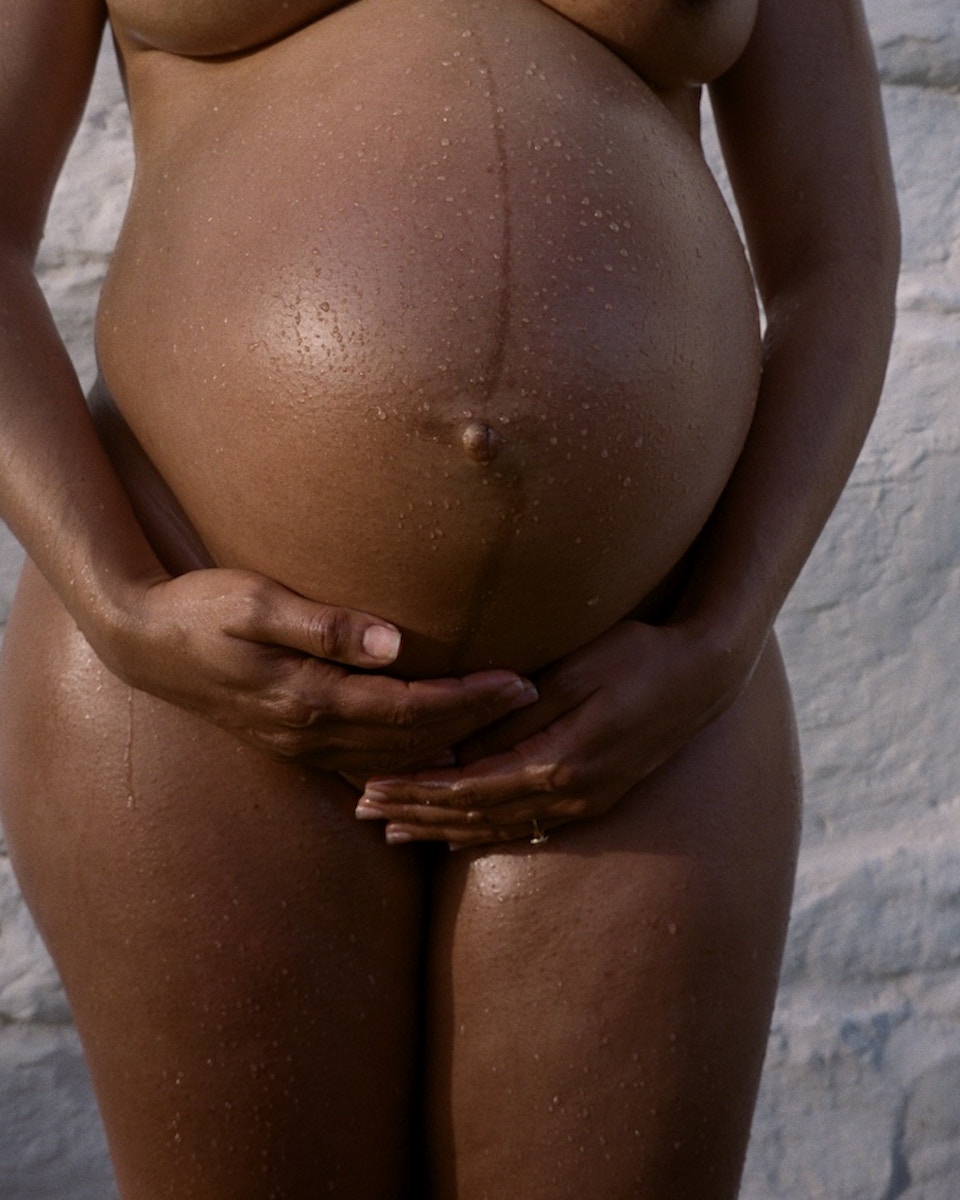
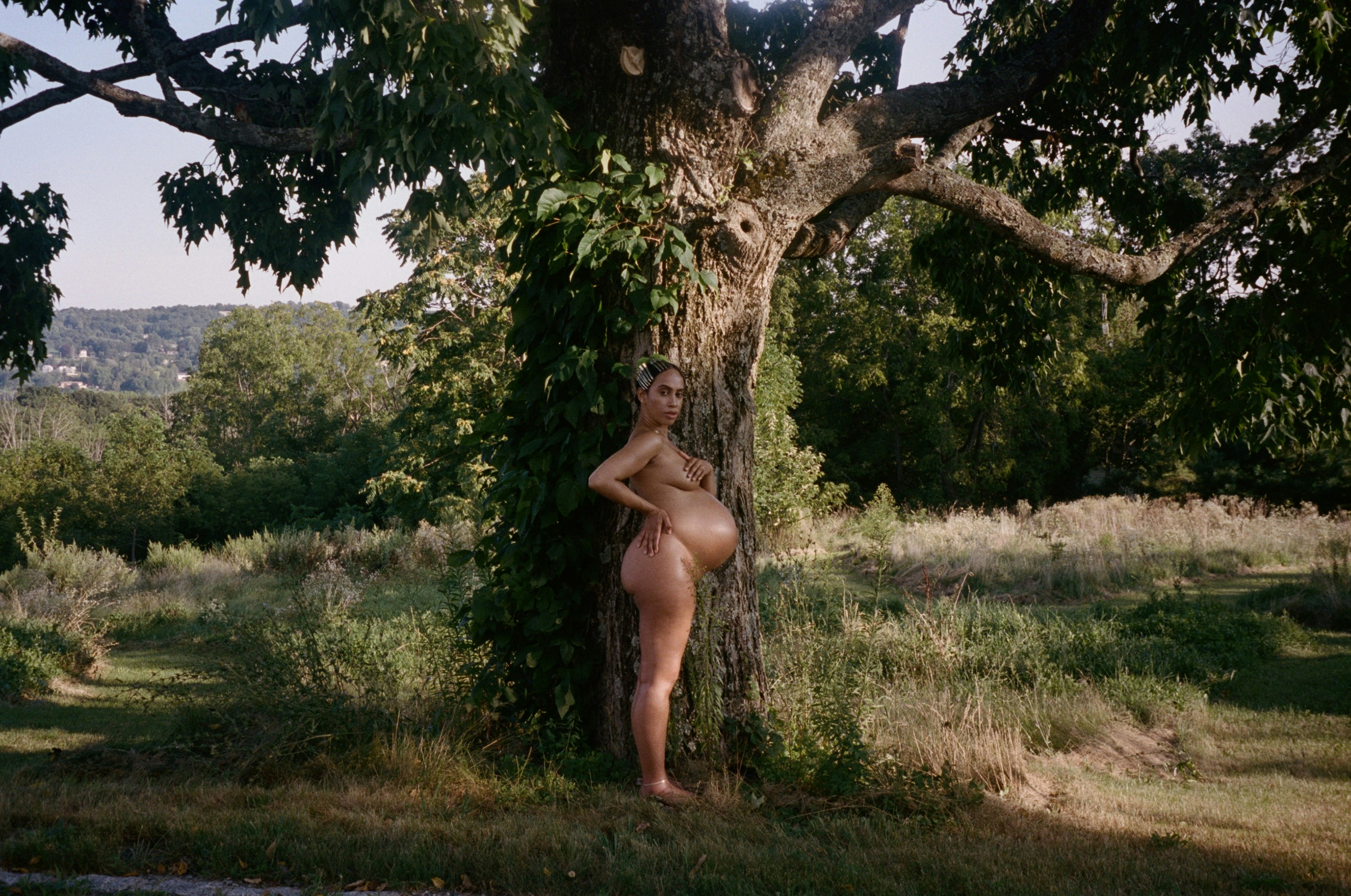
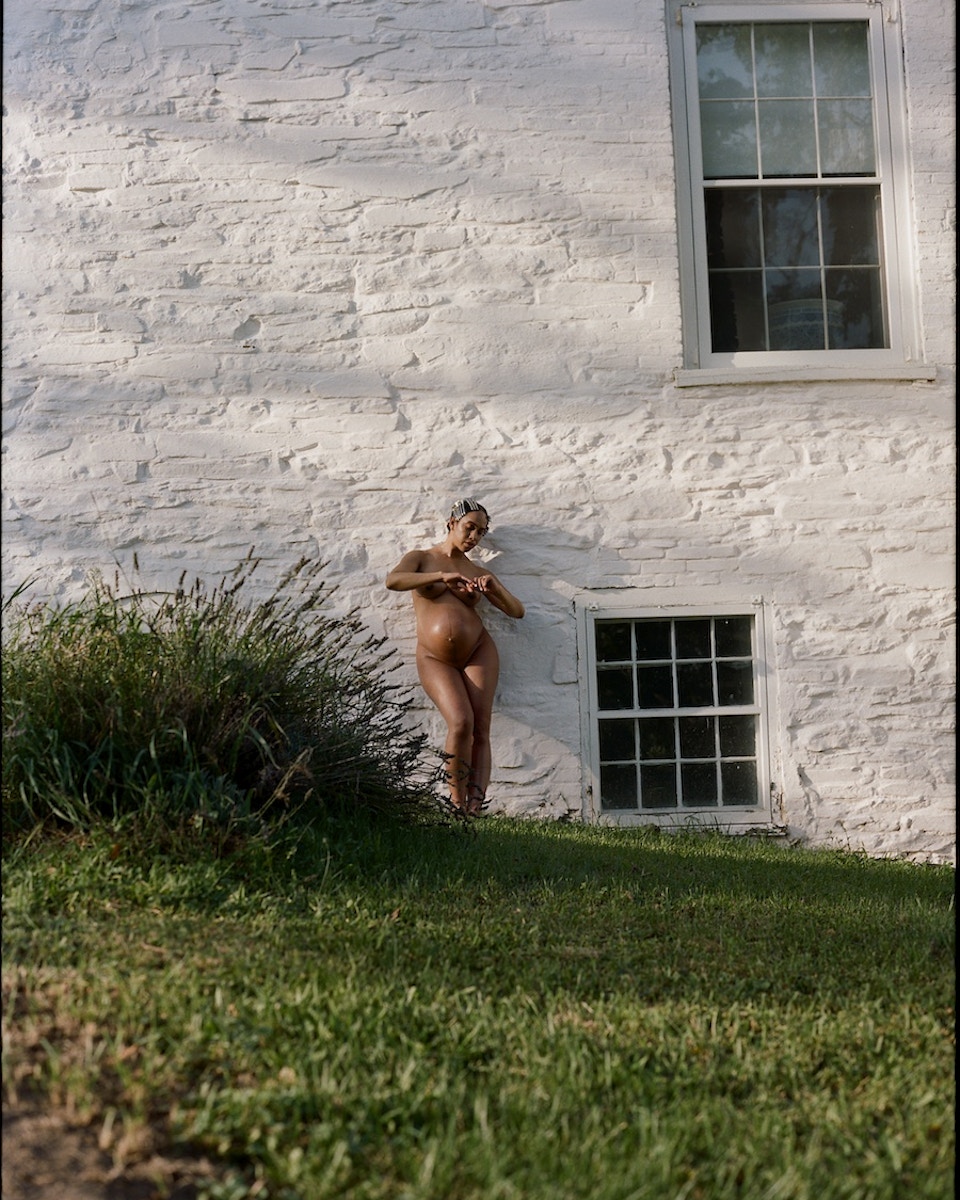
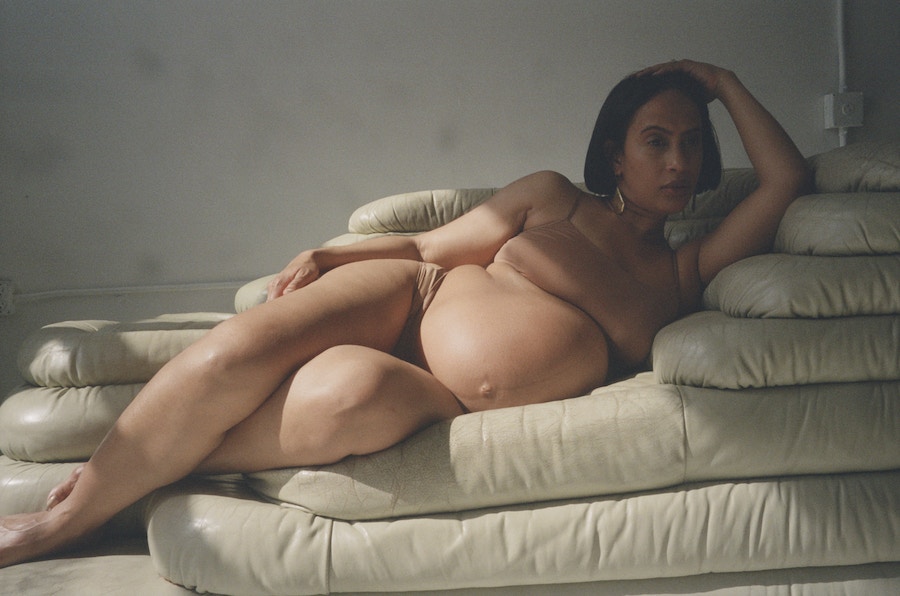
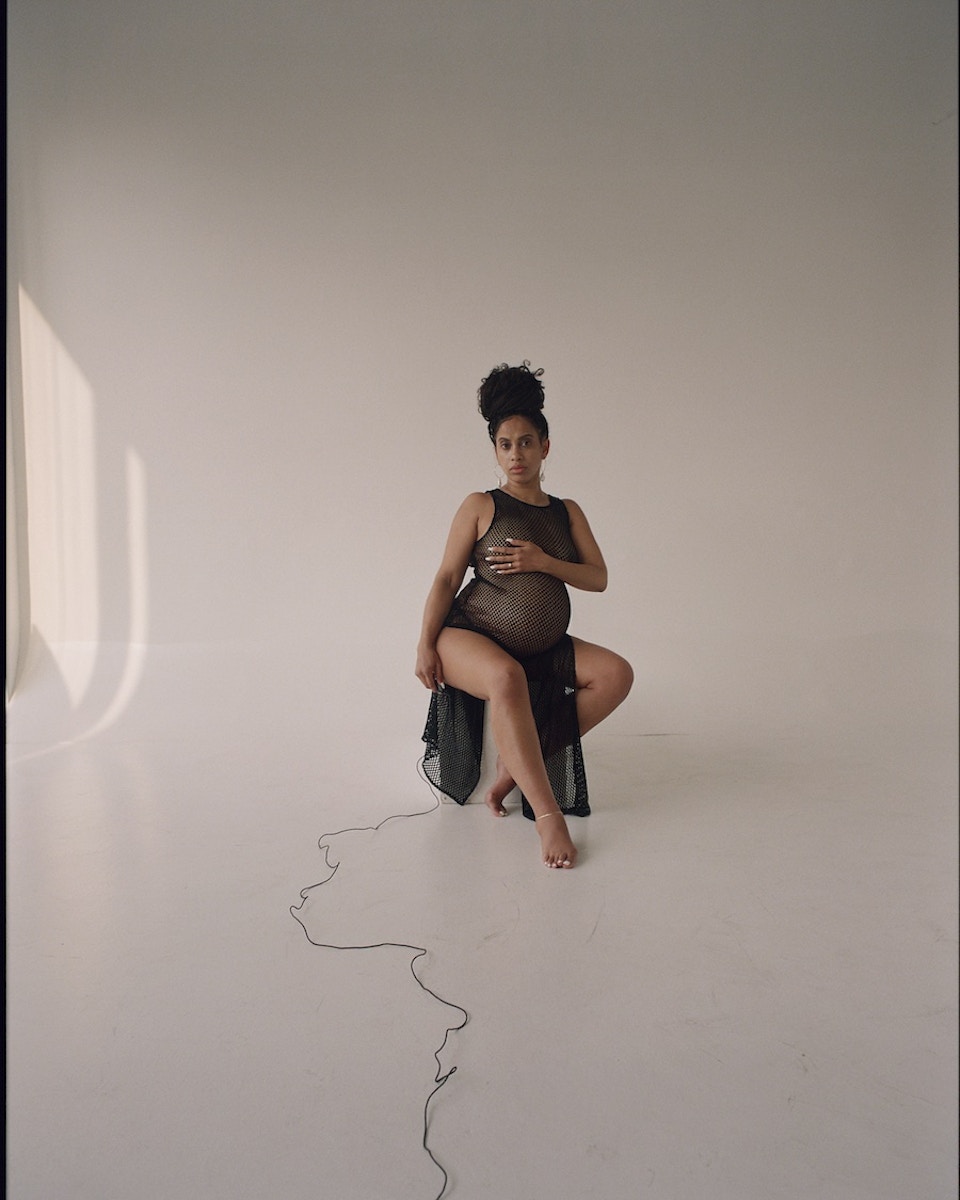
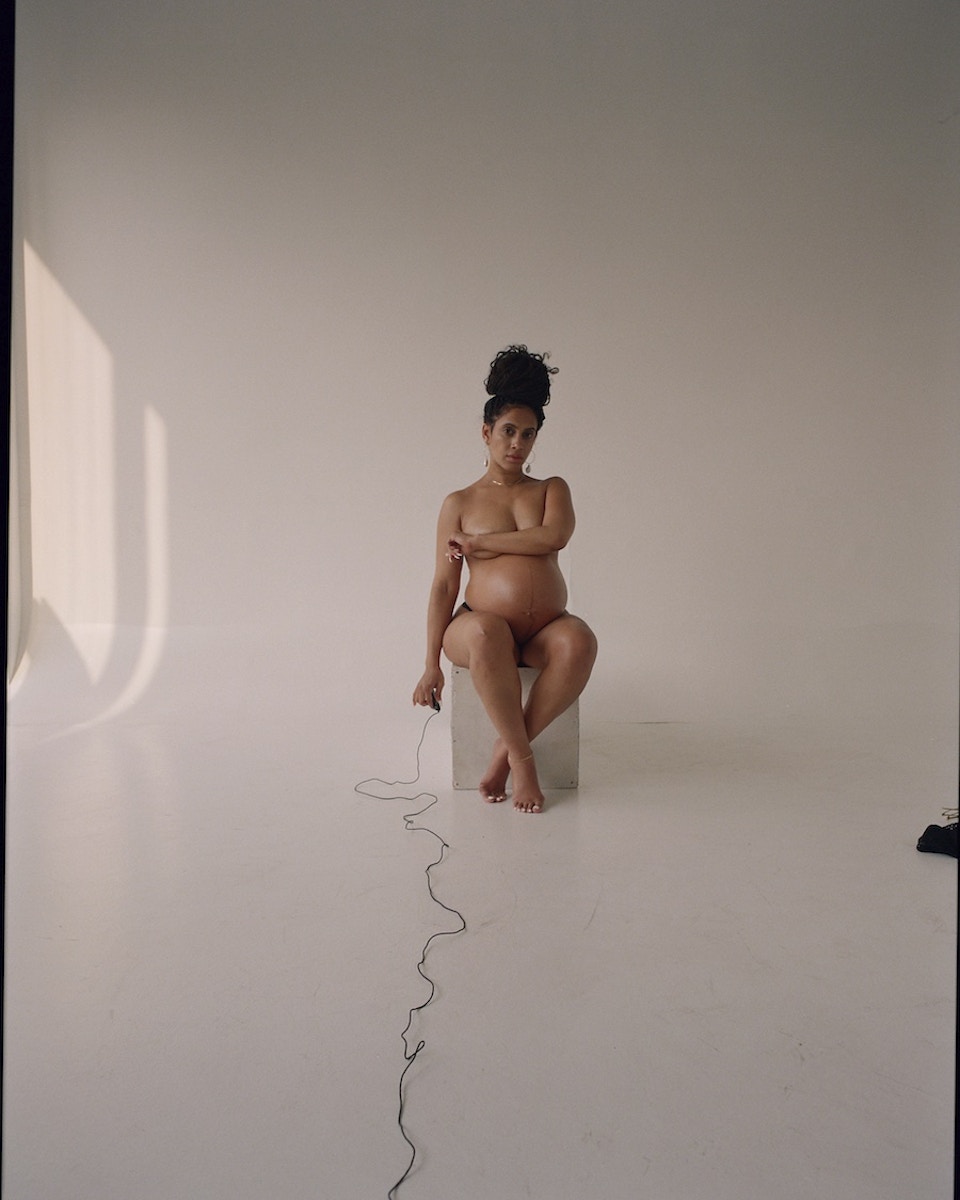
When I became pregnant myself, I knew I had to document the process in a special way. Of course, I took photos on my phone, but I wanted to photograph myself intentionally. It didn’t happen until very late in my pregnancy—maybe two weeks before I gave birth—but I knew I wanted to do self-portraiture and see myself through my own eyes.
Seeing my body change through my own lens felt really important. I’m never someone who wants to be in front of the camera, but there was something really special about it. Being pregnant gave me a different kind of confidence in my body, a willingness to show up in front of the camera that I don’t think I would have had otherwise.
One of the most meaningful shoots I’ve ever done was photographing Justice Ketanji Brown Jackson. There’s really nothing that compares to that experience. We had more time than I expected. Her family was there. Everyone in the room felt the weight of the moment and the significance of that time. It was incredibly special, and I don’t know that anything else quite compares or ever will.
"Seeing my body change through my own lens felt really important. I’m never someone who wants to be in front of the camera, but there was something really special about it. Being pregnant gave me a different kind of confidence in my body"
You don’t have to sacrifice creativity in pursuit of motherhood
One of the things I feel most strongly about is this idea that motherhood can feel impossible or intangible if you’re a creative, or if you’re not living a traditional life or following a traditional career path. That tension feels especially challenging.
Women face a unique challenge in work in general, but I think it’s heightened when you’re working in a creative space. There were moments when I didn’t want to share that I was pregnant because I thought, who’s going to hire a pregnant photographer? So much of my career has existed inside the idea that this is a white man’s job—carrying equipment, setting up lighting, assisting. I’ve always had to navigate how I exist in that space.
There are also practical things I learned through becoming a parent, like making sure you have insurance as a freelancer, understanding that you can have paid family leave as a freelancer, that you can take out policies and plan for that. These are conversations I now have with people I work with, because so many of us don’t know what’s available or how it’s supposed to work.
Sharing that information feels important. A lot of people feel like, how is this ever going to work? And it can. That’s something I feel really strongly about.
"Women face a unique challenge in work in general, but I think it’s heightened when you’re working in a creative space. There were moments when I didn’t want to share that I was pregnant because I thought, who’s going to hire a pregnant photographer?"