The Great Unlearning
Words by Kashia Wolf-Christensen
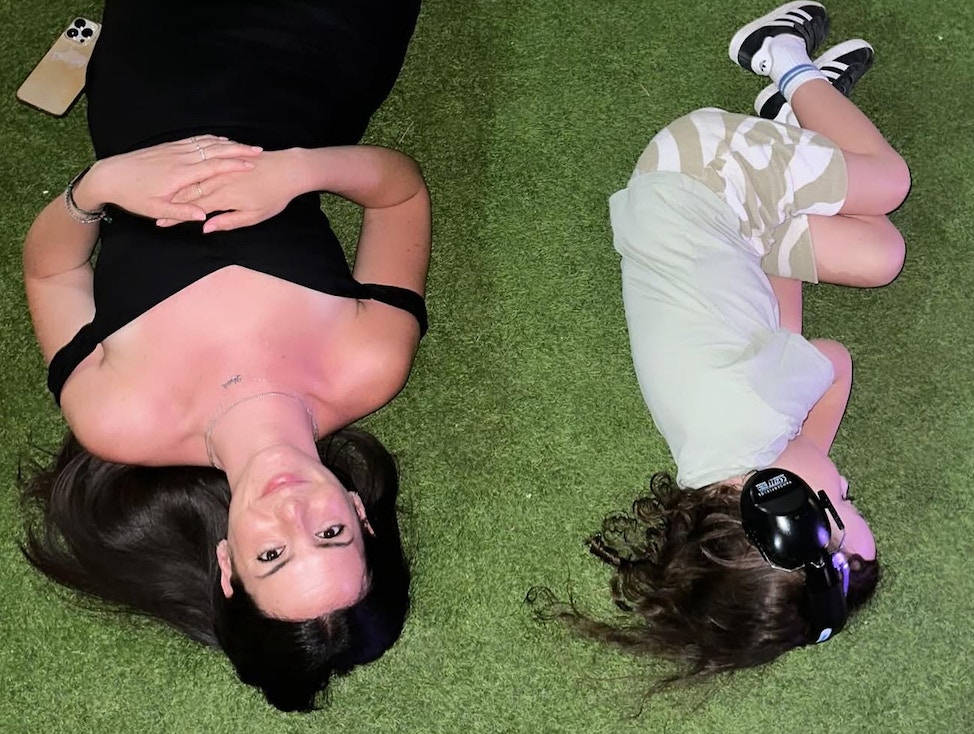
Nothing teaches you how to stop giving a fuck quite like your child having a loud, out of control, and public meltdown. People love to look and they especially love to judge, but in those moments, nothing matters except my child, her safety, and her happiness. It took time to get here, but I’m not raising my daughter to make other people comfortable. I’m here for her happiness, not theirs.
Becoming a mother of an autistic child changed me in unexpected ways. It forced me to question everything I thought I knew about parenting and my own identity. It also taught me to stop caring about what anyone else thinks.
"Becoming a mother of an autistic child changed me in unexpected ways. It forced me to question everything I thought I knew about parenting and my own identity. It also taught me to stop caring about what anyone else thinks. "
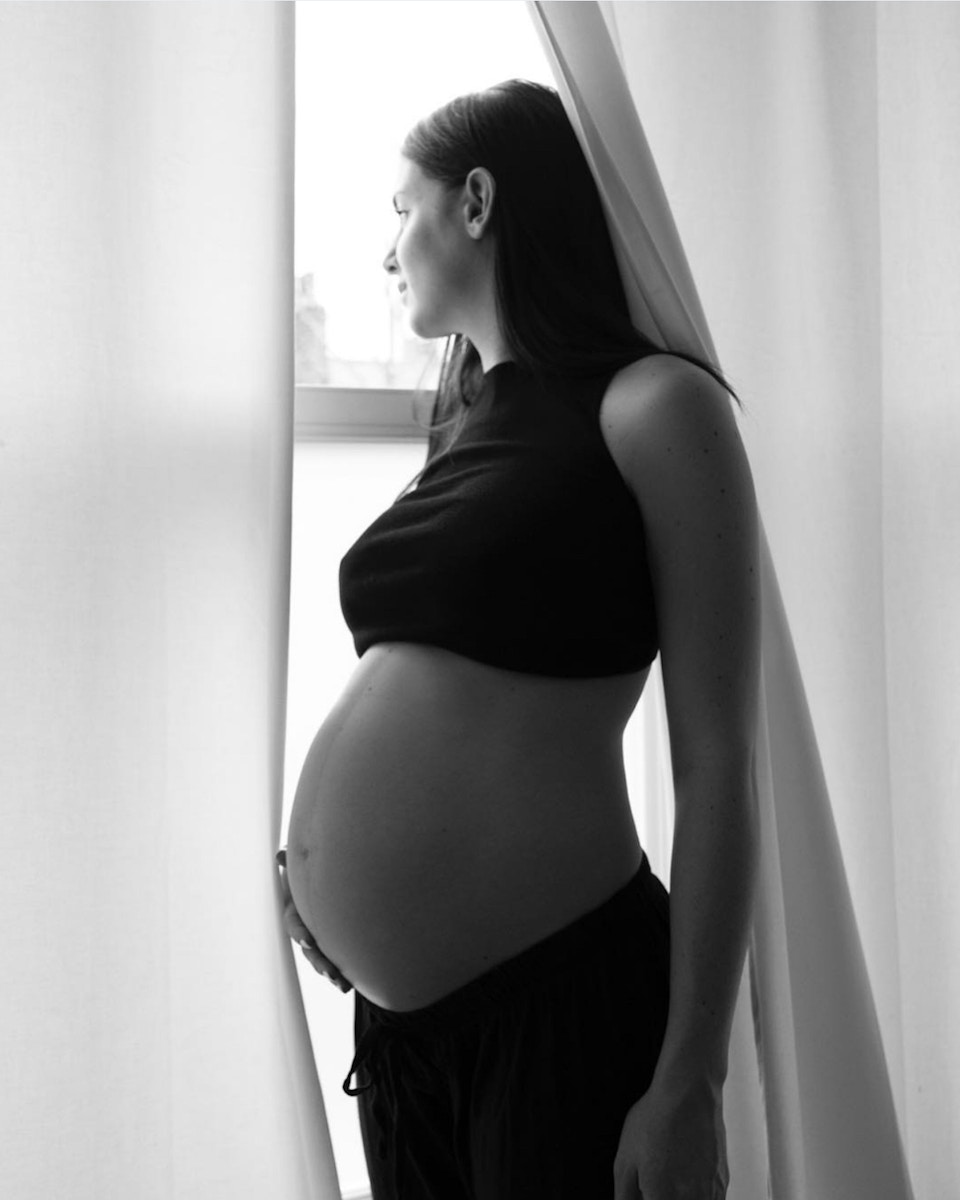
When you’re pregnant, everyone wants to give advice. There are classes on what to expect, books about how to take care of a baby, and courses that teach you how to “be a mom.” There are milestone charts showing what your baby should be doing and when, advice about how long to breastfeed, and endless warnings that you’ll never sleep again.
What they don’t tell you is that the experience of motherhood is unique for each mom. They don’t tell you that your baby might have an unconventional kind of brain or that they might not reach those benchmarks anywhere near the expected ages. No one prepares you for what to do if your child doesn’t walk on time; doesn’t say their first word when they’re “supposed to”; or literally doesn’t sleep. No one tells you that you might actually never sleep again, and that the exhaustion will make you feel crazy and like you have no idea what you’re doing.
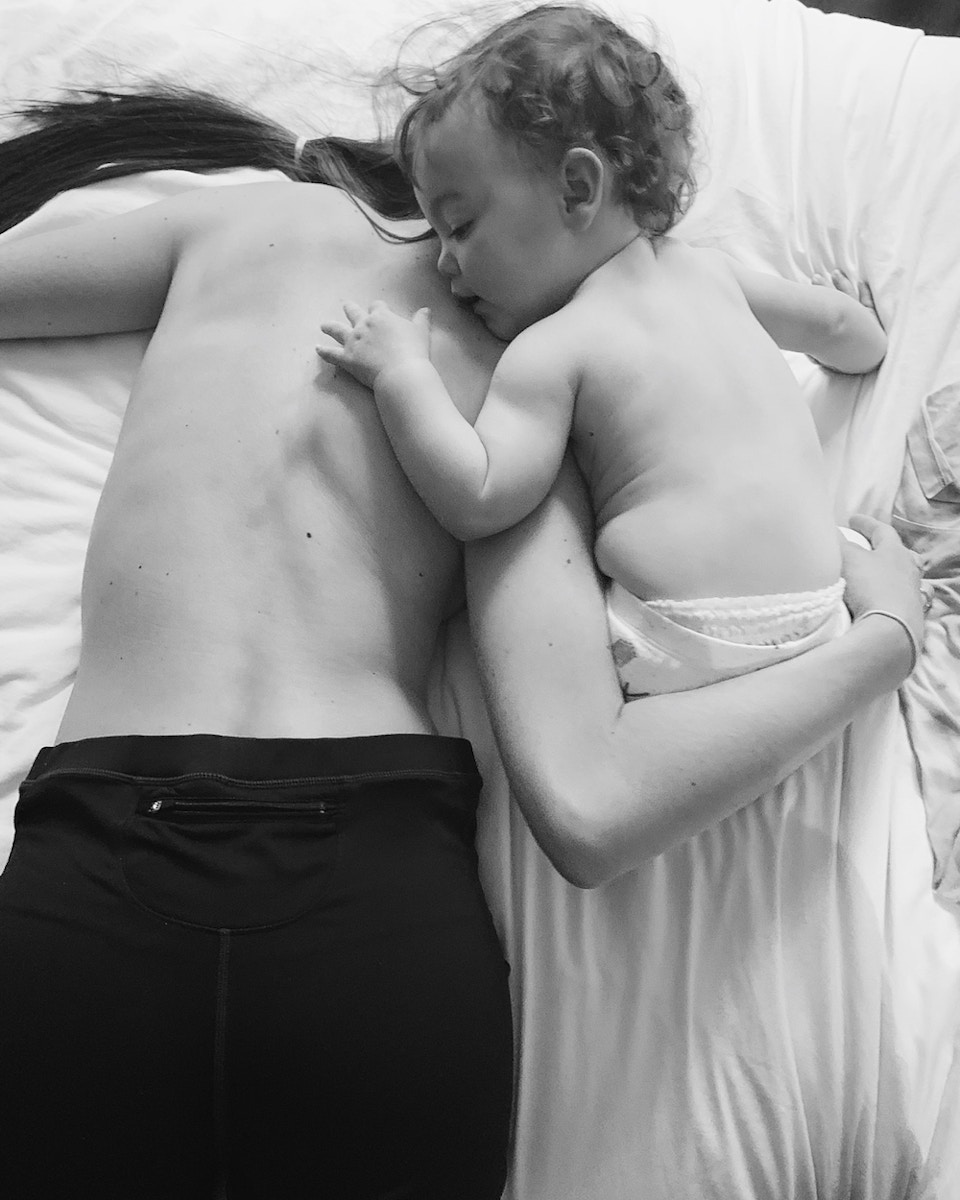
They definitely don’t prepare you for having a baby in a foreign country at the start of a pandemic. Isolated, I had no basis for comparison; no other babies to watch; and no familiar voices telling me what was normal. It felt like I was doing everything in the dark, second-guessing myself every step of the way. And no surprise: I was terrified.
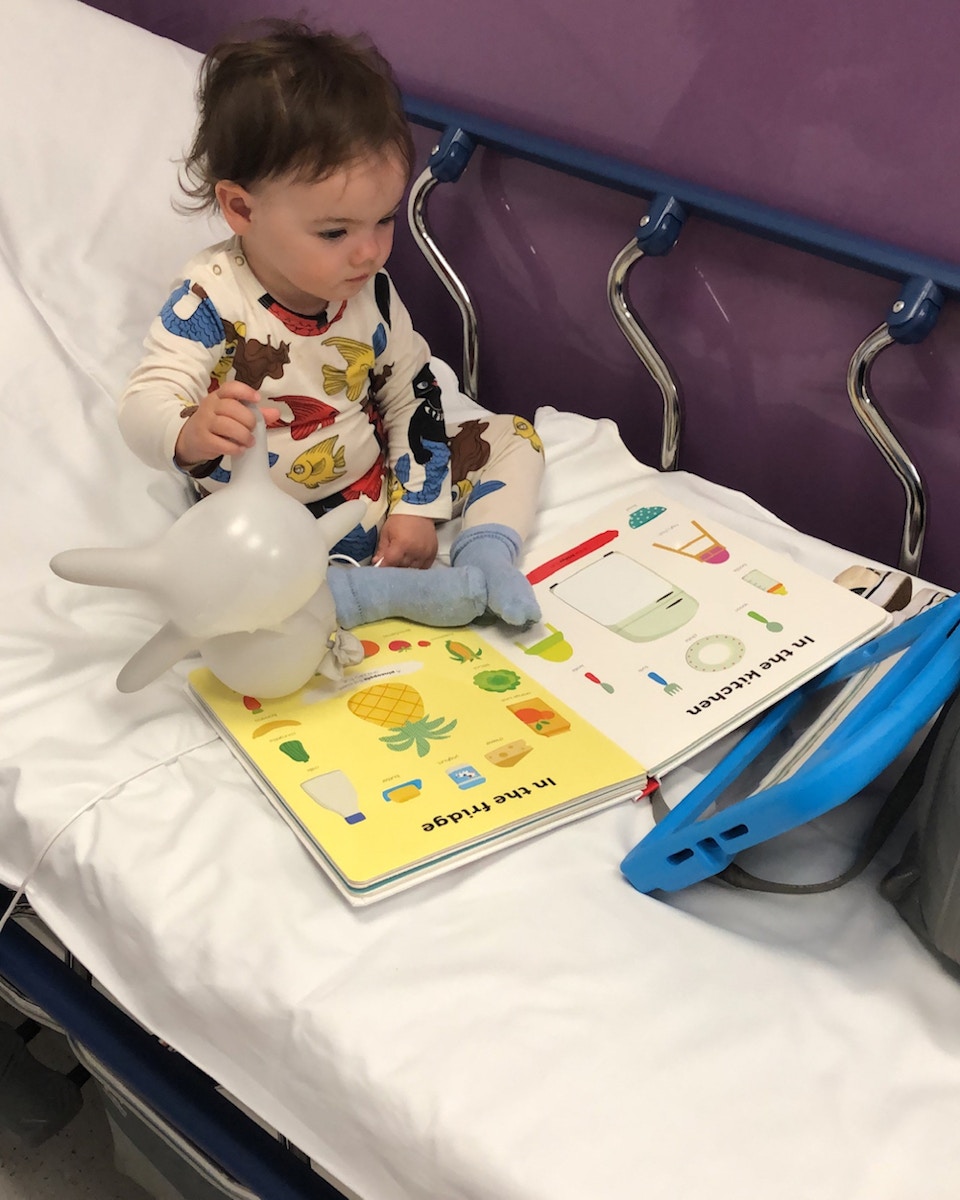
My daughter, Noah, was constantly in and out of the hospital during her first year for seizures. (We later learned they were linked to her genetic condition.) Due to Covid precautions, my husband wasn’t allowed in with us, but he waited outside every single time, as close as he could get. Looking back, the thing I remember most is how strong a team we were. I led with my intuition, and he trusted me completely, even when I didn’t trust myself.
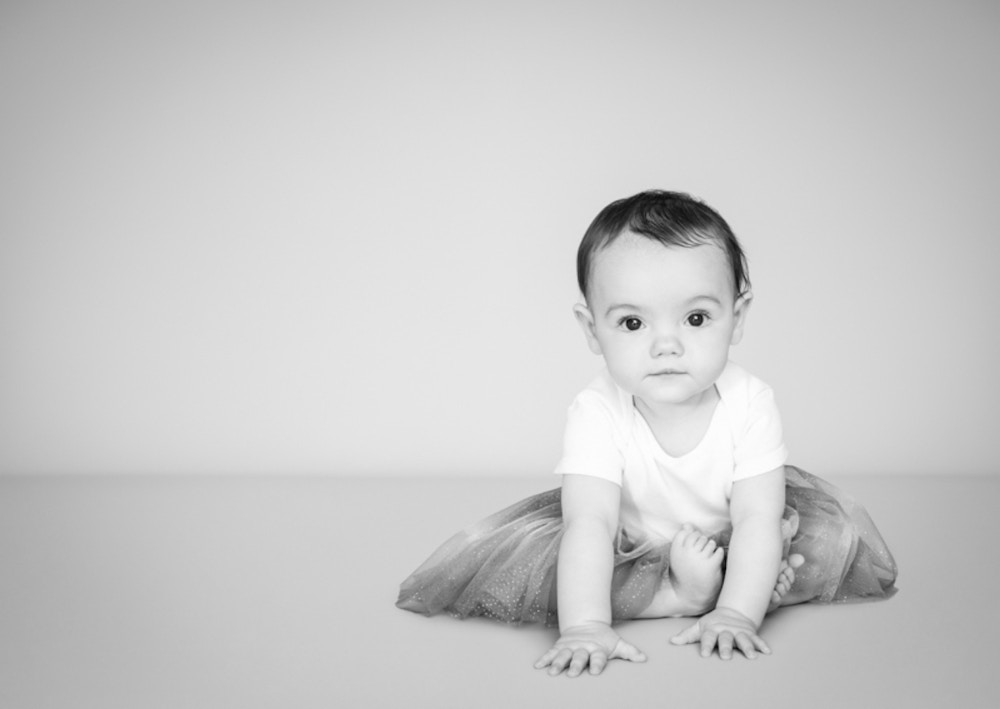
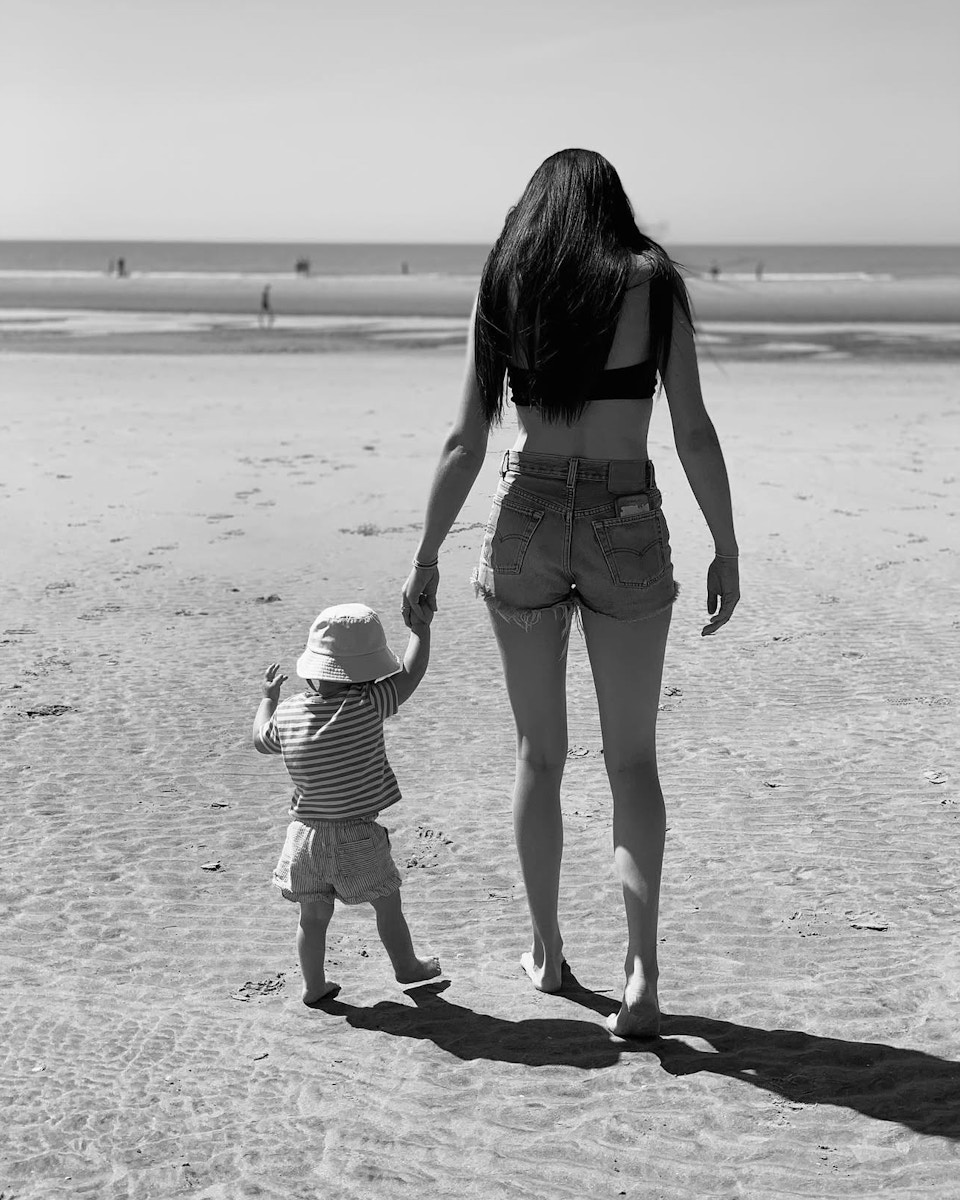
My daughter didn’t walk until she was almost two. She didn’t speak in sentences until three and a half. She still doesn’t sleep a full night at six. She is autistic, has a rare genetic condition, and a phonological disorder. And let me start by saying: I wouldn’t change my daughter for the world.
I don’t need her to say “I love you” with mouth words to know how much she loves me. She is so smart and sees the world in ways far beyond her years. And she is incredibly funny. She has more empathy than anyone I’ve ever met, so much that I think it sometimes causes her pain.
What causes me pain is that I had no idea how to support her until I taught myself. Doctors looked at everything separately. I had to fight for them to see her as a whole person with interconnected needs. I knew all of her diagnoses before the doctors confirmed them, and I was the one who pushed for genetic testing.
"I don’t need her to say “I love you” with mouth words to know how much she loves me. She is so smart and sees the world in ways far beyond her years. And she is incredibly funny. She has more empathy than anyone I’ve ever met, so much that I think it sometimes causes her pain. "
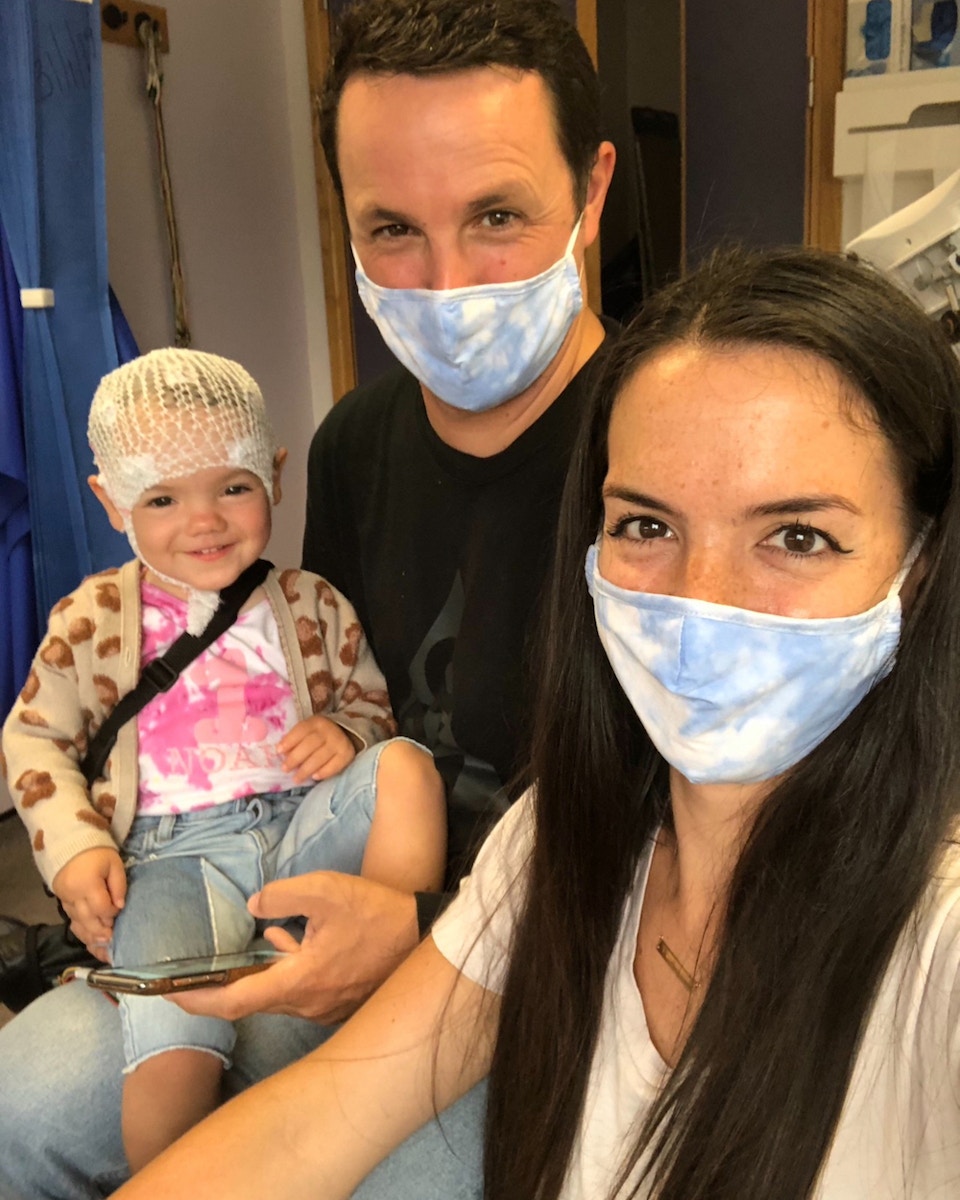
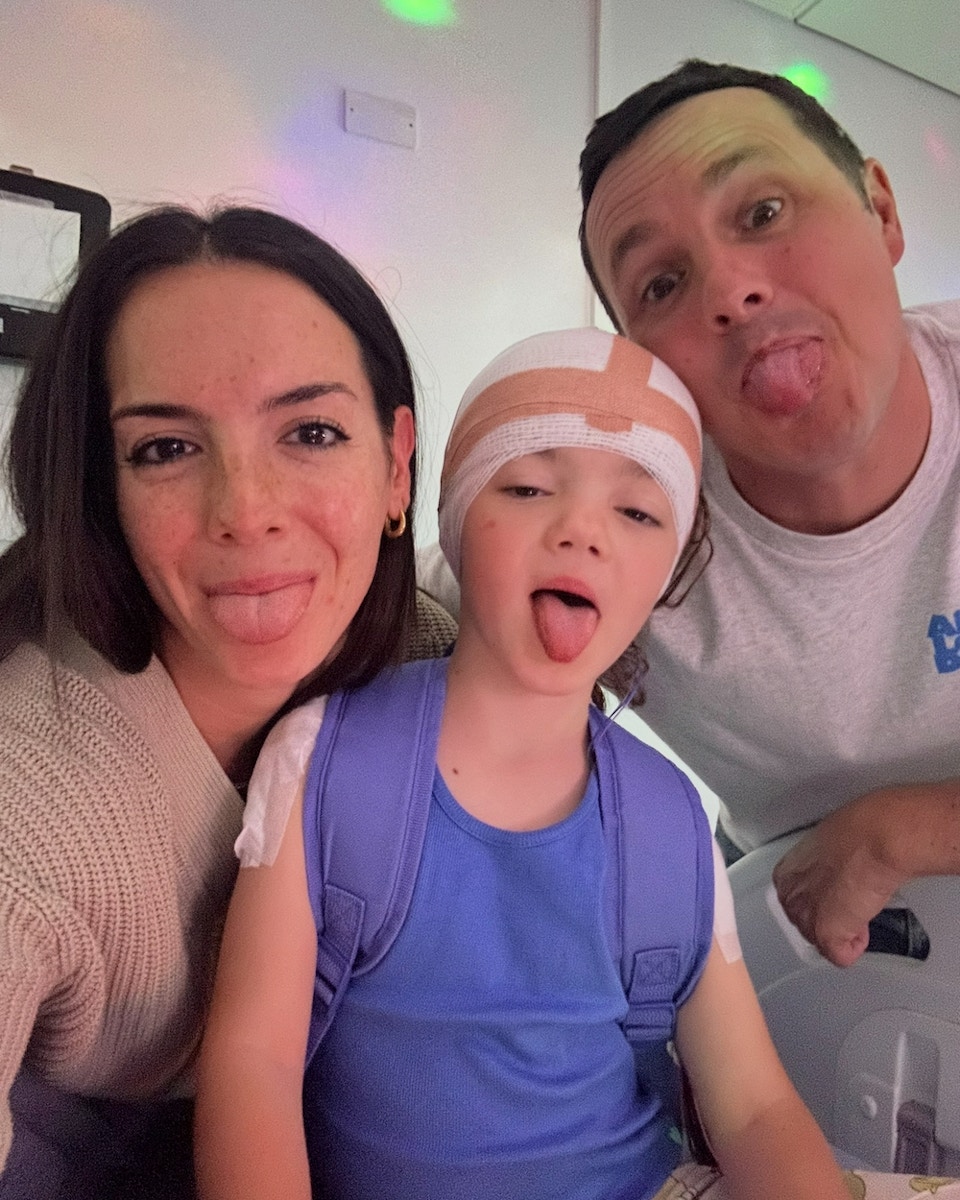
Having a disabled child is hard, but not because the child is hard. It’s everything else that is. There are battles I never knew existed or imagined I would have to fight. But I am endlessly grateful for my daughter. One of my proudest moments is that we’ve built such an inclusive home that she loves to tell people she’s autistic, and she says it with pride. I’m raising her to understand her differences, to be proud of her strengths, and to know that it’s okay to ask for help. And in return, she is teaching me who I really am.
When I started noticing my daughter’s differences, I recognized them instantly because I felt them too. The same sounds hurt my ears. Certain textures made my stomach churn. I loved being social but was completely drained after every interaction. I desperately wanted to please everyone else, even at the expense of my own happiness. It breaks my heart when I see Noah do this. A six-year-old shouldn’t know how to do that.
Most girls and women are diagnosed late because they are adept at masking and people-pleasing. The 36 years I spent working hard; being a perfectionist; and partying to make social interactions easier were perhaps just the years of a neurodivergent woman who had no idea she was neurodivergent. I didn’t know that all those years of changing myself to fit in, without knowing who I really was, were part of being neurodivergent.
I forced myself into a people-facing profession to prove I could do it, and because of my perfectionist streak, I excelled but often at the cost of my mental health. Every interaction replayed ad nauseum in my head.
"There are battles I never knew existed or imagined I would have to fight. But I am endlessly grateful for my daughter. One of my proudest moments is that we’ve built such an inclusive home that she loves to tell people she’s autistic, and she says it with pride."
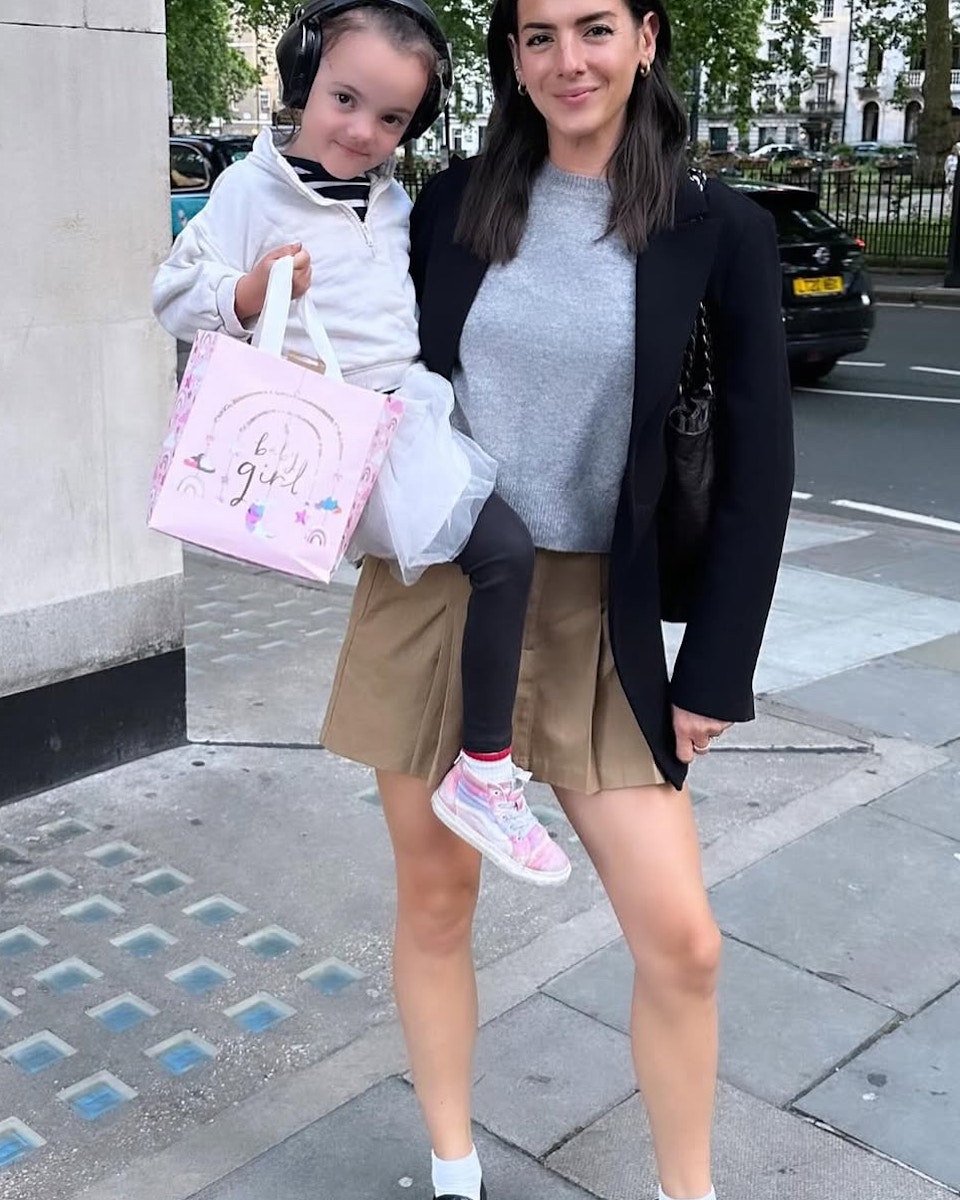
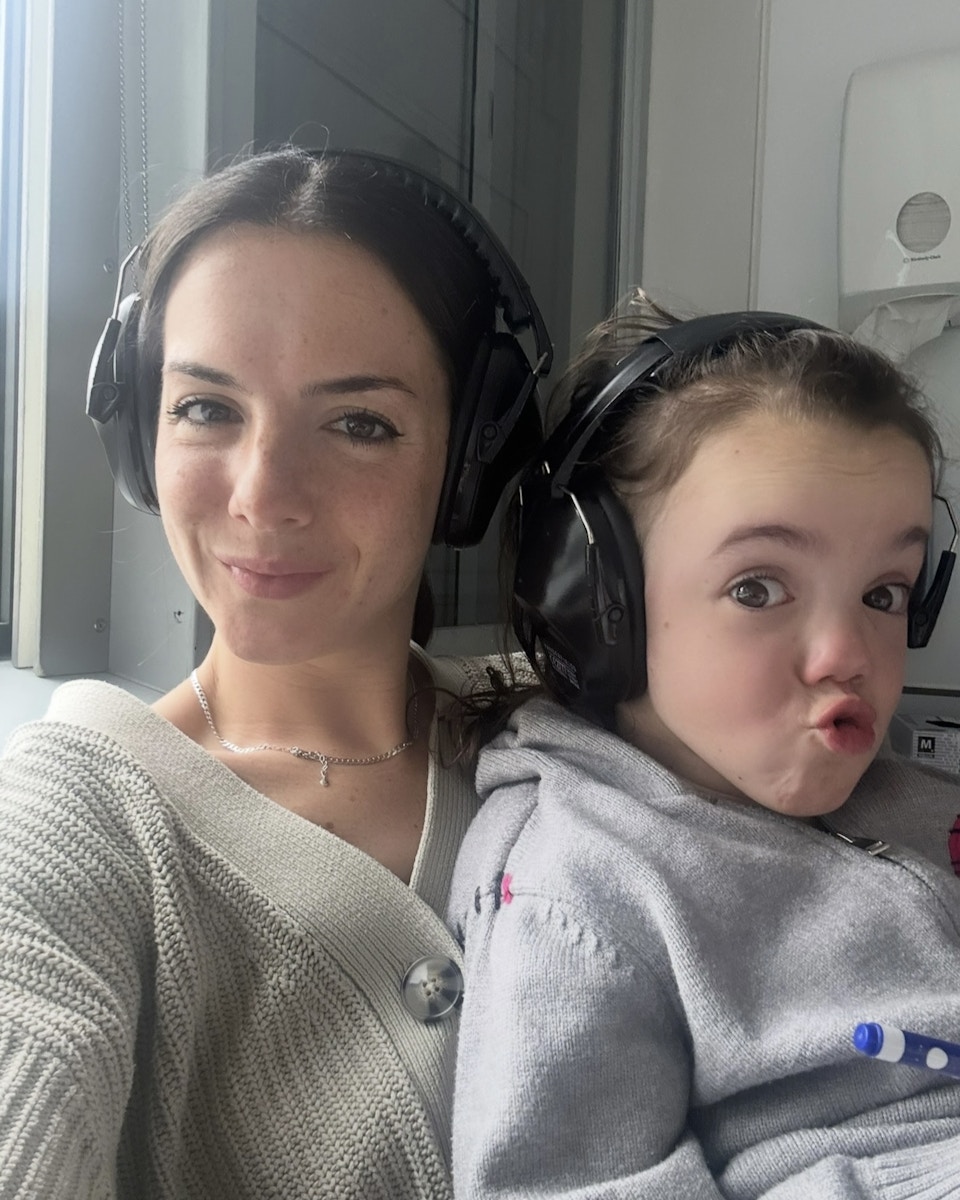
Learning how my daughter’s brain works helped me understand my own. I was recently diagnosed as autistic, more specifically auDHD (Autism and ADHD). People often describe this moment as life-shattering, something that brings grief or trauma, not because of the diagnosis itself but because of the years of inadequate support and not understanding themselves. I’m not sure I can fully explain my feelings, but let’s be honest, I always knew. If anything, I was more afraid that I had masked so well they wouldn’t be able to see me clearly at all.
I’m grateful to finally have the chance to learn who I really am and for my daughter for leading me here, for showing me myself long before I was ready to look. I’m angry for the years I needed help and no one listened, for all the times I contorted myself, performed, and forced myself to fit in. I’m nervous about discovering who I am without a mask. Who am I when I’m fully myself?
But the label doesn’t scare me. I’m proud of who I am and everything I’ve built. I built it this way because I’m neurodivergent. And I’m deeply grateful that I get to be a neurodivergent parent to my daughter, able to understand her in ways I never felt understood myself.
""I was recently diagnosed as autistic, more specifically auDHD (Autism and ADHD). People often describe this moment as life-shattering, something that brings grief or trauma, not because of the diagnosis itself but because of the years of inadequate support and not understanding themselves. I’m not sure I can fully explain my feelings, but let’s be honest, I always knew. ""
I discovered stereotypes people cling to—like having special interests, playing alone, sensory differences, or struggling with social norms—exist in millions of variations. When I learned that many autistic girls have special interests in nature, it blew my mind. Someone’s intense interest could also be people, which might make them appear social and outgoing. It meant you could force yourself to make eye contact even though it denigrates your ability to truly listen.
Rigid behaviour could look like perfectionism. Sensory differences could mean sucking your thumb well into childhood (mine was until age eight) or refusing to let anything touch your neck (haircuts are still a nightmare if I’m asked to wear a cape). It could mean scripting conversations in your head because you’re secretly overwhelmed by social interaction and simply don’t want to stand out.
For the first time in my life, I know that I excel at some things and struggle with others, and I can finally give myself grace. I can have a hard moment in front of my daughter, calm myself down, and then explain how it felt so she can learn to do the same. She can see that it’s okay to struggle and to recover.
There is so much pressure on women to “have it all,” to have a career and be a mother and somehow balance both. But right now, in this season of my life, I’m happy to work when I can and put my daughter first. At the moment she isn’t able to access school, which is far too common for autistic children. The stress on her body became too much and sent her into shutdown.
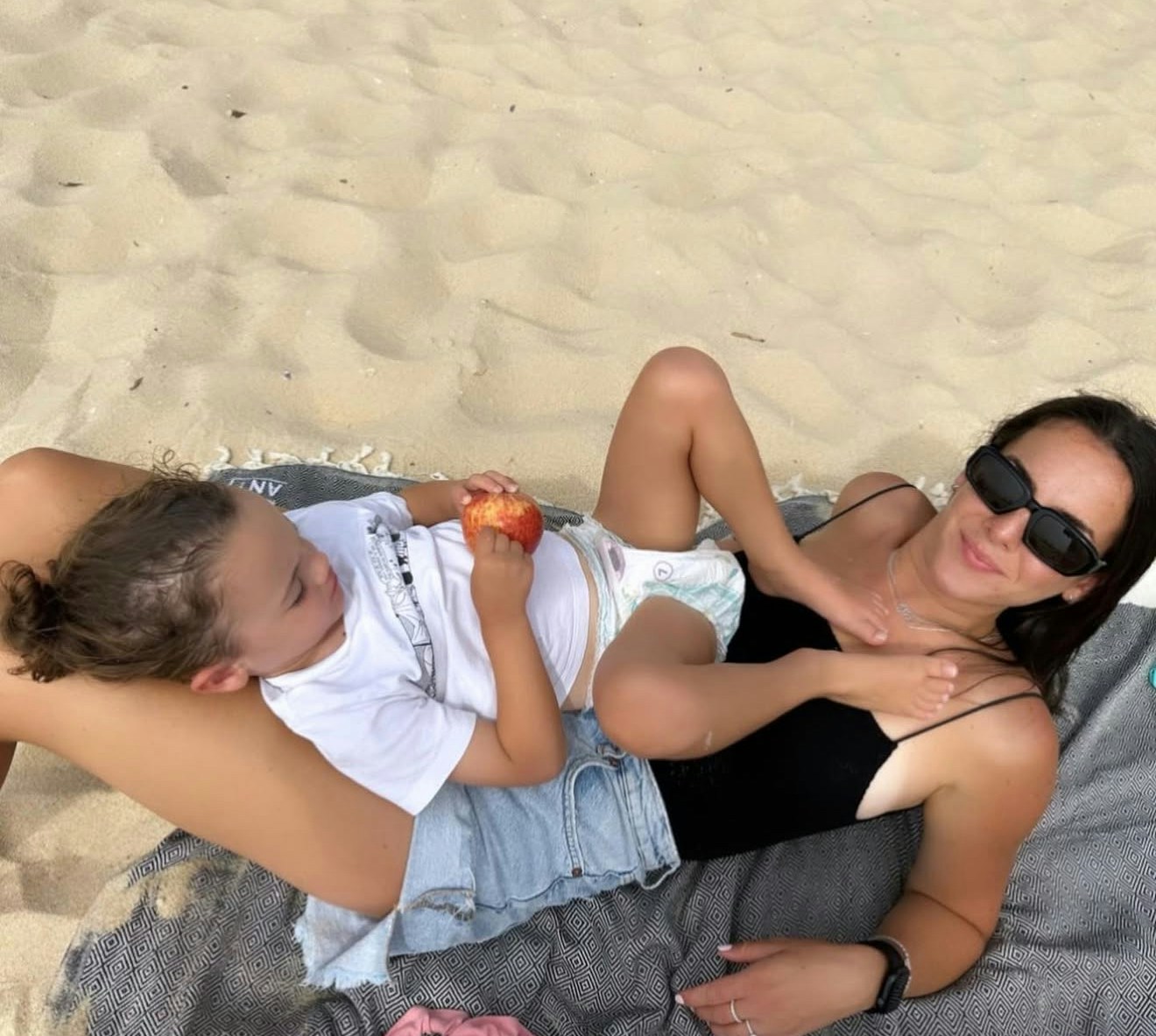
Right now my job is helping her feel safe. I’m her mom and her teacher, and that feels incredibly fulfilling. School will never be the reason for my daughter’s unhappiness. Her nervous system deserves to feel safe enough to eat and drink, to recognise when she needs the bathroom, to enjoy learning, and to learn in a way that works for her brain.
At home, she can do all of those things. At school, she would go hours without a sip of ater or a single bite of food. For me, forcing her to be there just didn’t make sense.
Now, six years into motherhood, I look back and still can’t understand why there isn’t more conversation about all the different ways this can look. Why don’t we talk about different brain types before birth? Why do we act like milestones are one-size-fits-all? Or that being neurodivergent is something to be embarrassed or upset about? It’s just another way to be human.
Kashia Wolf-Christensen is co-founder of Nieuway, a 360 consultancy agency supporting brand growth and identity across fashion, home, and tech. Founded on the belief that things can be done differently and better, Nieuway reflects Kashia’s commitment to thoughtful and creative work. She is mum to her daughter Noah and a dedicated advocate for neurodivergent children, championing the message that different is not less than.