1O Questions and a Waiting Room
Words and photographs by Emmy Marucci
The Edinburgh Postnatal Depression Scale was developed in 1987 in Scotland. It has become the gold-standard questionnaire in the U.S. employed by OB-GYN’s and pediatricians, but it’s not without critiques about its effectiveness and usage.
The Edinburgh Postnatal Depression Scale asks 10 questions. They are clinical, tidy, and calibrated. Each one offers a row of boxes meant to quantify feeling: sadness, anxiety, overwhelm, and joy. You are asked to circle how: how often, how intensely, how recently. Introduced in the late-eighties, it was designed as a tool for early detection of postpartum depression—a necessary intervention in a culture that long refused to name postpartum suffering at all. It is progress, undeniably.
And yet.
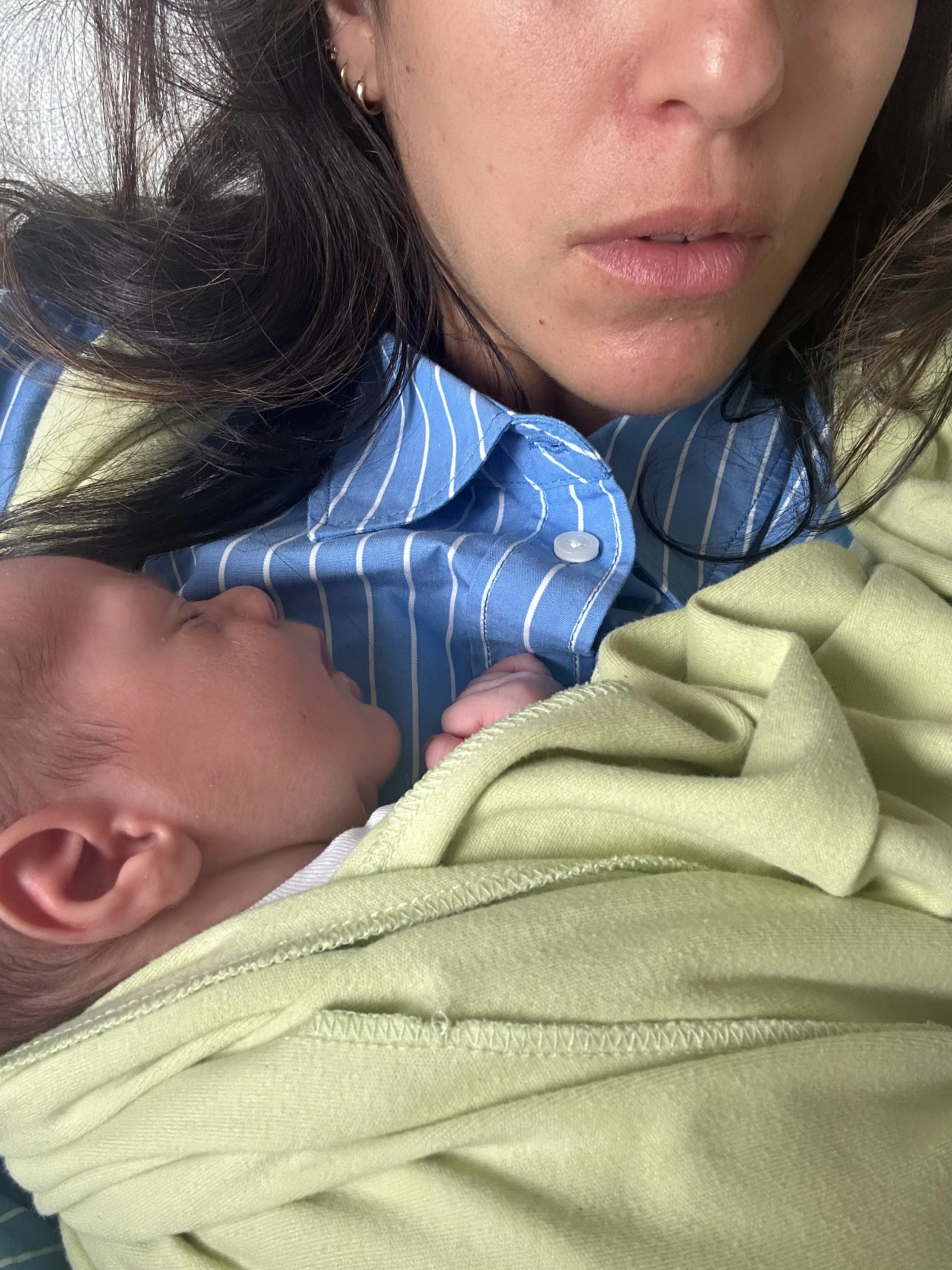
Postpartum asks far more than 10 questions. They arrive unevenly, in stages, and rarely announce themselves. They live in the space between what can be measured and what can only be endured. And they do very little at all if no one follows up on them.I fill it out in a waiting room six weeks after giving birth to my second son. The clipboard balances on my knee. The baby sleeps in his carrier, his weight pressed warmly against my chest. Around me, other women sit quietly, flipping through magazines or scrolling their phones. We are all doing the same math: translating our interior lives into numbers, trying to remember how we felt yesterday, last week, an hour ago.
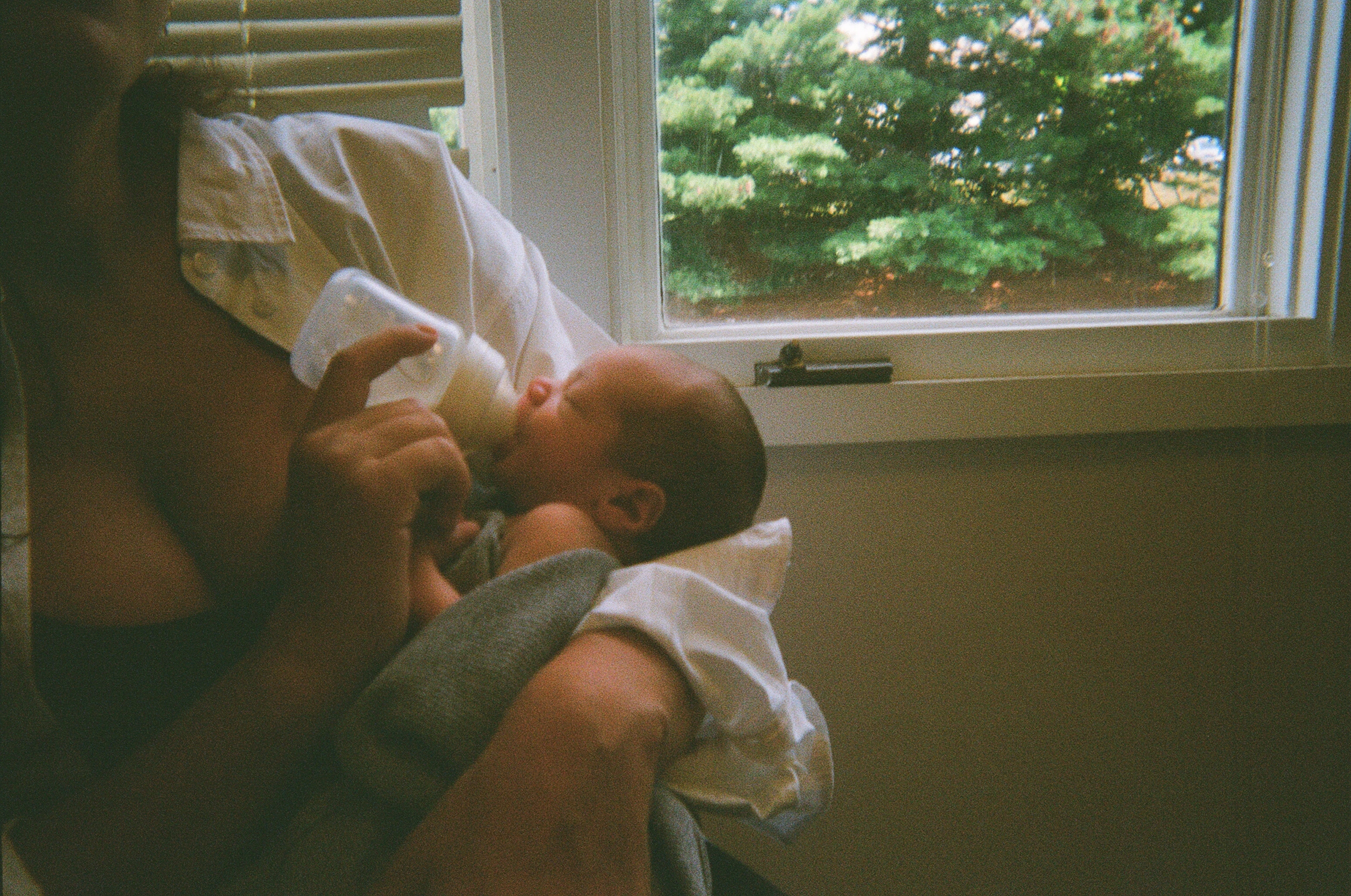

"We are all doing the same math: translating our interior lives into numbers, trying to remember how we felt yesterday, last week, an hour ago."
The scale is now the most widely used screening tool for postpartum depression in the world. It’s credited with increasing awareness, with legitimizing maternal mental health inside medical systems that once ignored it altogether. In theory, it’s meant to open a conversation. In practice, it often replaces one.
I’ve filled it out three times: once before hospital discharge, once at my six-week checkup, and once in my pediatrician’s office. Each time, I circled my answers carefully, aware not just of what I felt, but of what the sum of my responses might imply. I passed every time. No one followed up.
When I finally meet with my doctor, he doesn’t mention the form at all. He doesn’t ask what the answers meant, or whether any of the questions caught in my throat. He tells me I’m cleared to work out again. That I can resume normal activity.
As if normalcy were a physical permission slip. As if a whole other interior world didn’t exist.
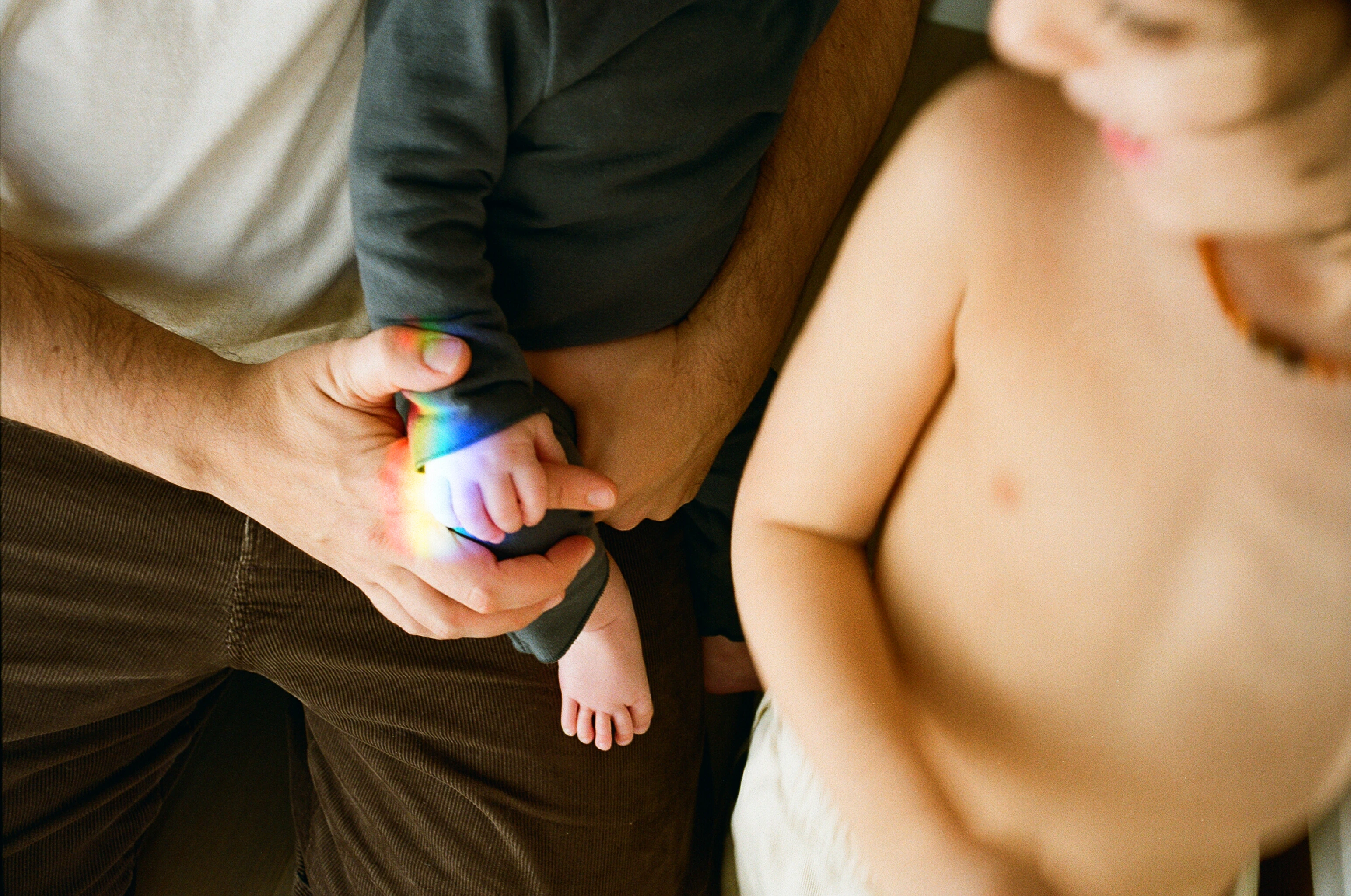
“Things have been getting on top of me.”
The form assumes overwhelm is a single sensation but postpartum overwhelm is cumulative and ambient, less a spike than a constant hum. It builds in the background of interrupted sleep, bodily recovery, and responsibility that borders on vigilance. It can multiply due to mountains of laundry, or toys scattered on the floor. By the time you are asked to assess it, the feeling has often become indistinguishable from normal life.
“I have blamed myself unnecessarily when things went wrong.”
Postpartum culture trains mothers toward self-surveillance. Every decision—feeding, sleeping, returning to work, staying home—becomes either a success or or a failure.
In this environment, self-blame is not an anomaly, it is a learned response. Mothers are encouraged to internalize outcomes they can’t control and audit their choices, their bodies, and their timelines. The scale treats self-blame as something that should be flagged and corrected.
But ask a mother how it feels to go back to work. The question is rarely met with a simple answer. Relief collides with guilt. Identity fractures and reforms. There is gratitude for autonomy and grief for proximity, at the same time. These contradictions are not pathological, they are rational responses to a system that demands both total presence and uninterrupted productivity, and offers little space to reconcile the two.
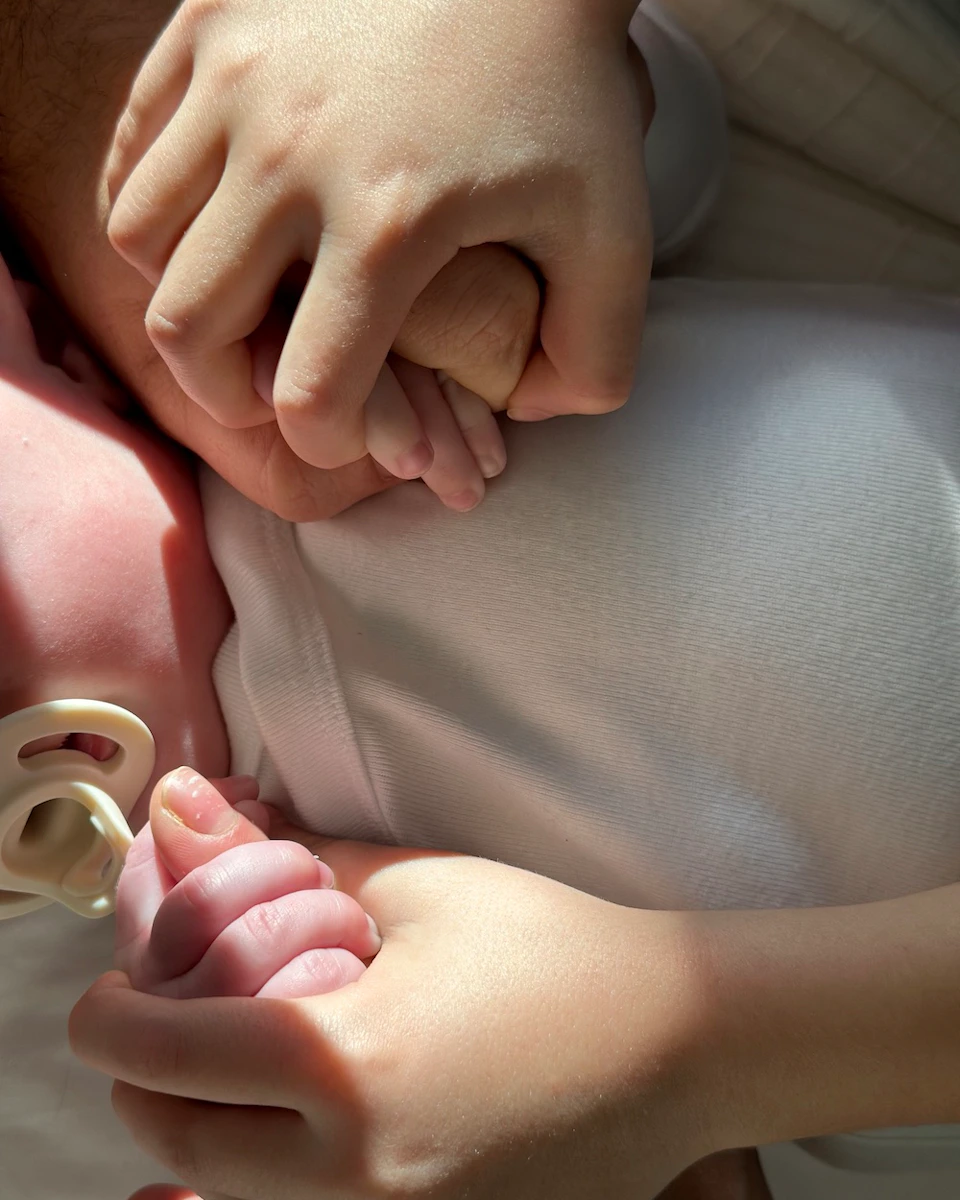
"In theory, the Edinburgh Scale is meant to open a conversation. In practice, it often replaces one."

“I have felt scared or panicky for no very good reason.”
The implication is that fear without an obvious cause is irrational. But postpartum fear often has no single origin point; it emerges with the sudden understanding that another life depends entirely on yours.
Fear, in this context, is not a malfunction. It is information. It alerts you to gaps in support. Sometimes, it sharpens attention and drives protective, proactive behavior—double-checking, planning, preparing, seeking help before something goes wrong. It can keep a child safe, a household functioning, a mother upright.
The problem arises not when fear exists, but when it is dismissed or pathologized without context. When fear is treated solely as a symptom to be quieted rather than a signal to be interpreted, its causes remain unaddressed. In postpartum life, fear often isn’t asking to be eliminated, it’s asking to be understood.
“I have been able to laugh and see the funny side of things.”
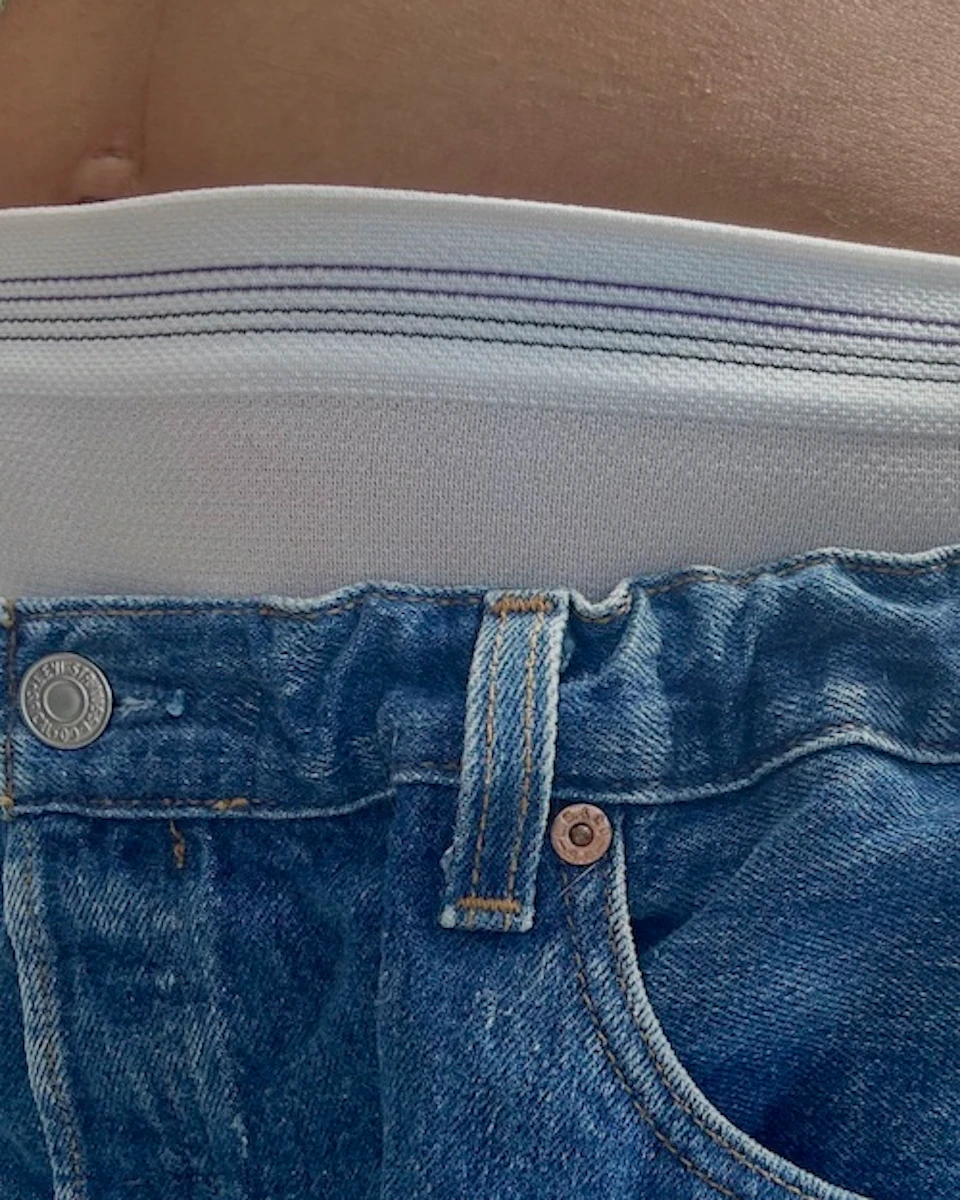
Laughter can coexist with distress. It can even function as a form of survival. I remember sitting on the bathroom floor in the early weeks postpartum, laughing with my husband over something absurd—the kind of humor that happens when you’re too tired to be composed anymore. I was bleeding, wearing mesh underwear. The laughter didn’t cancel any of it out. It didn’t mean I was fine. It meant I was capable of finding a small release valve in the pressure.
The form asks whether you can laugh. It doesn’t ask what the laughter is holding together.
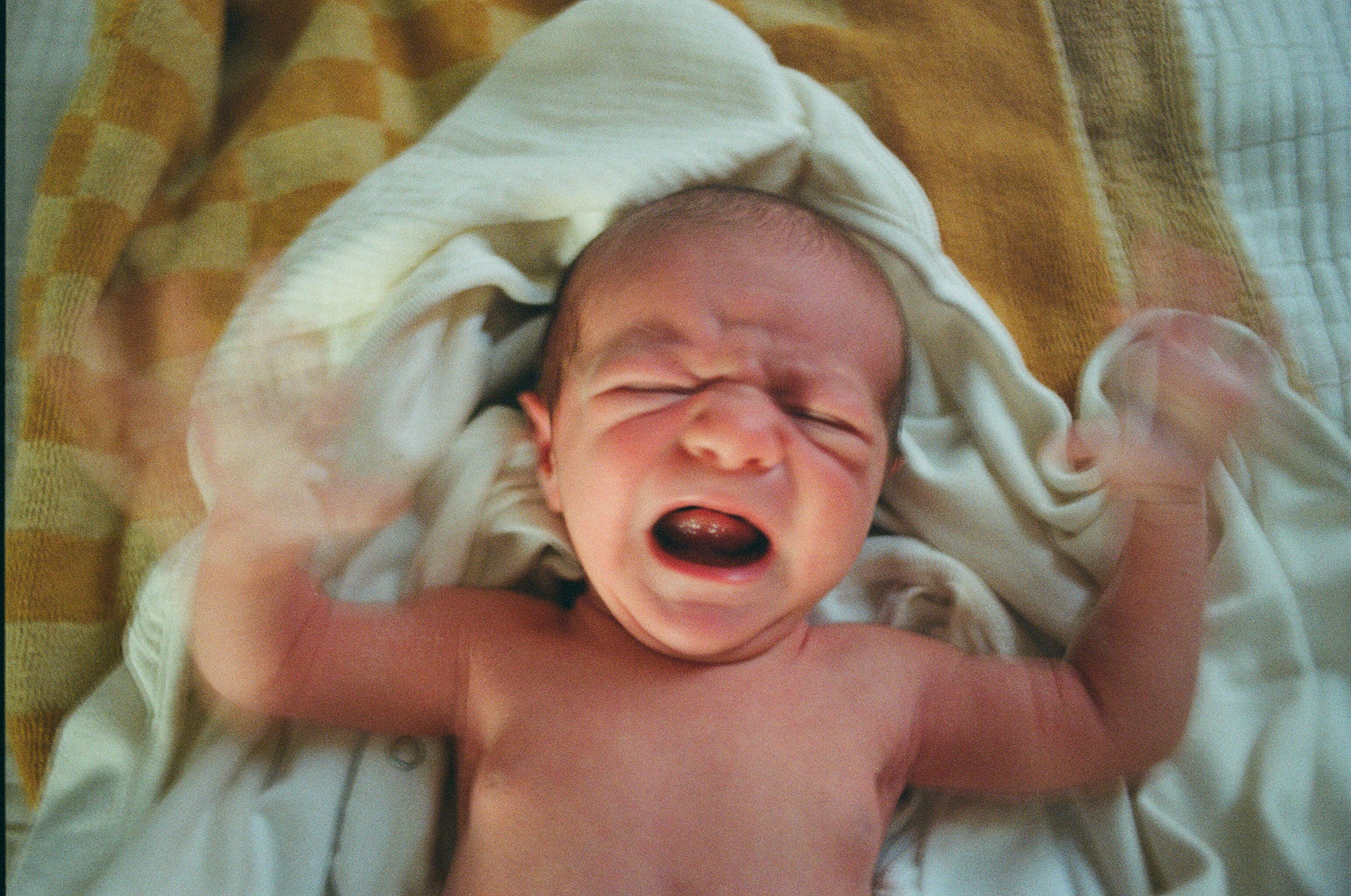
“I have felt sad or miserable.”
Many postpartum women do not feel actively miserable; they feel muted, flattened or distant from themselves. These states are harder to articulate—and easier to miss—especially in a system designed to flag extremes rather than subtleties.
Ask a mother if she misses her old life. The question is often met with hesitation, qualification, or apology. She may say no too quickly, or yes and immediately soften it—but I love my baby, it’s different now, it’s worth it. What she is trying to express isn’t regret so much as dislocation: the feeling of having crossed into a new life.
Missing a former self doesn’t register as sadness on a scale. It doesn’t always feel like misery. It feels like distance, between who you were and who you’re becoming, between autonomy and responsibility. It can live quietly alongside devotion and gratitude, unremarkable enough to pass undetected, heavy enough to shape the day. These are not extremes. They are subtleties. And they are precisely what a system built to catch crises is most likely to miss.
“I have been anxious or worried for no good reason.”
Postpartum anxiety is often situational, but its causes—lack of support, fragmented care, unrealistic expectations—are rarely acknowledged. When anxiety is framed as groundless, the response becomes reassurance rather than intervention. The system soothes instead of listening.
“The thought of harming myself has occurred to me.”
This question carries the most weight, and rightly so. But when it becomes the primary threshold for concern, everything below it is implicitly deprioritized. Passing this question often signals the end of inquiry, rather than the beginning of care.
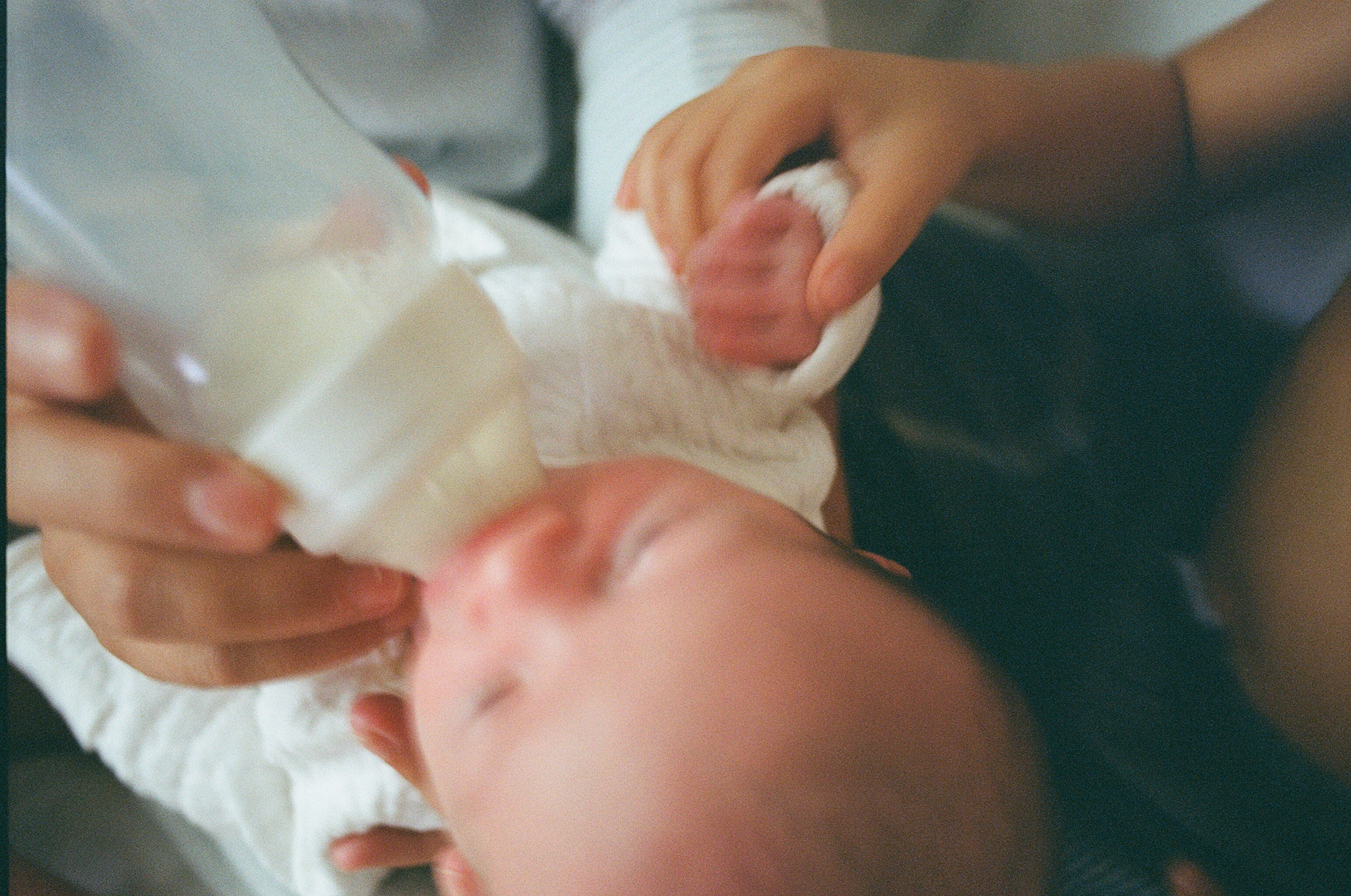
Postpartum distress is not always linear or continuous. It ebbs and flows with sleep, hormones, isolation, and workload. A mother may feel “fine” the moment she fills out the form and unravel weeks later, long after the window for screening has closed.
The thing is, the Edinburgh Scale was never meant to function alone. Its creators emphasized that it should prompt conversation, follow-up, and care. But in practice, it is often administered without explanation, without continuity, without accountability. A form is handed over. A score is tallied silently. Silence is mistaken for stability.
What the scale does not ask is what it feels like to leave the appointment and sit in the car for a minute longer than necessary. To look at your reflection and not quite recognize the person looking back. It doesn’t ask about the quiet drive home. The way the world resumes at full speed while you are still moving slowly and carefully.
It doesn’t ask about the first night after you’ve been “cleared.” When the house is finally still, and the thoughts get louder. When you wonder if this version of you is permanent, or just passing through.

"Because postpartum does not end when a body is cleared or a form is completed. It does not follow a timeline that fits inside a questionnaire; it is a lifelong reorientation."
It doesn’t ask who you text when something feels off, but not urgent enough to call it anything. Who you tell when you feel both grateful and overwhelmed in the same breath, or when sometimes you don’t have anyone to tell. When love and grief sit side by side and you don’t know what to do with either.
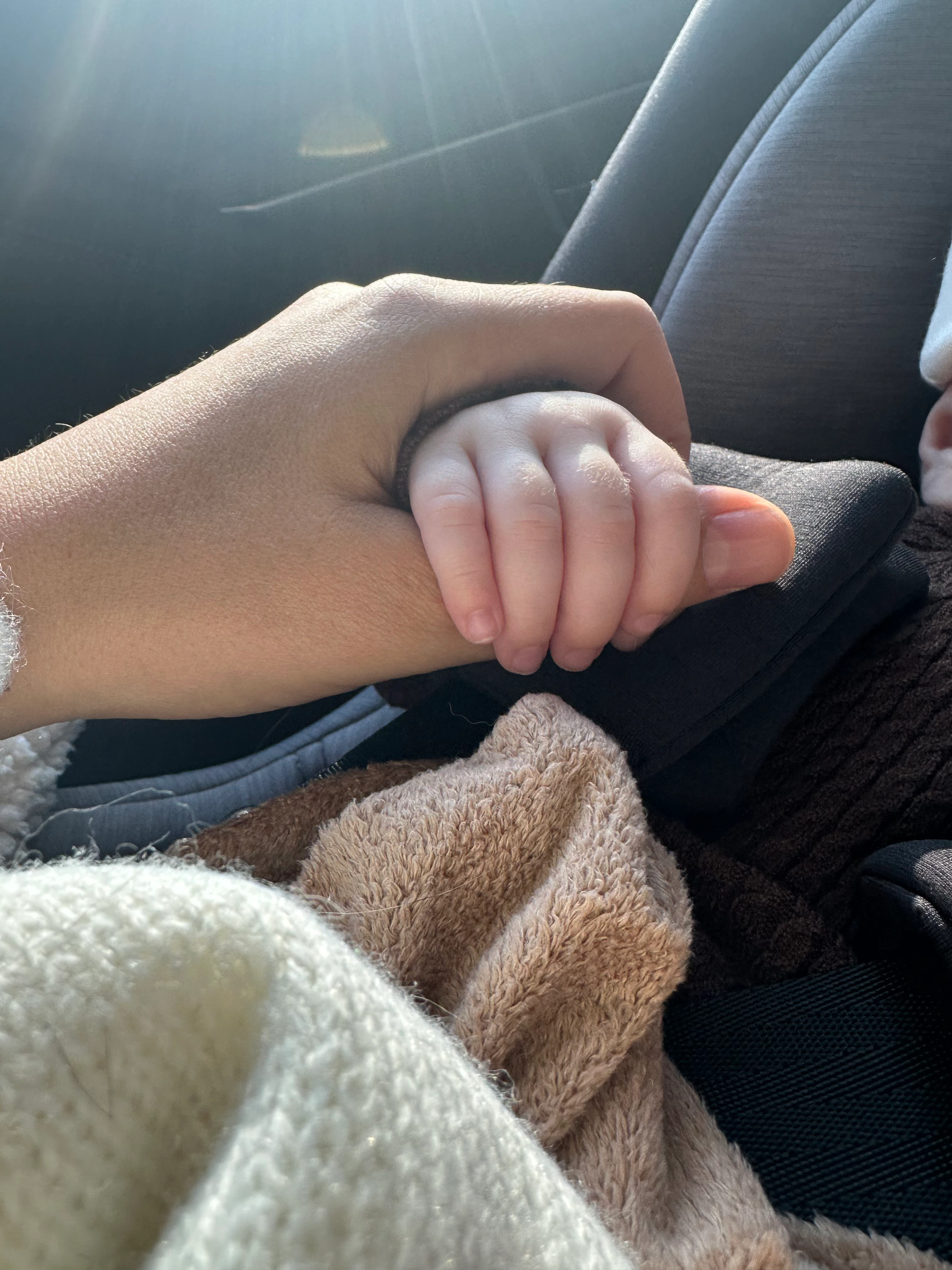
And it doesn’t ask about the joy, either. The kind that catches you off guard. The first real smile you know is for you. The way their hand wraps around your finger like it’s the only thing that exists. The small, ordinary moments that feel suddenly enormous.
It doesn’t ask how both can exist at once. How you can feel full and emptied, grounded and untethered, certain and unsure, all in the same day. It doesn’t ask about the in-between. The not-quite-fine, not-quite-falling-apart. It doesn’t ask who notices when the check-ins stop. When the texts slow down. When the assumption is that you’ve adjusted, because time has passed.
Because postpartum does not end when a body is cleared or a form is completed. Postpartum does not follow a timeline that fits inside a questionnaire. It is a lifelong reorientation.
Emmy Marucci is a writer, photographer and creative. Her work explores family, memory and emotion through both words and imagery, spanning fashion, poetry and brand storytelling. She is the author of Tell Me Another Story, co-creator of children’s book A Round Town, and has created copy and creative for brands including Madewell, EILEEN FISHER, Coterie and rag & bone. She is working on launching MTHRBRD, a platform dedicated to capturing and sharing the lived experience of motherhood. But to her two boys, August and Francis, she’s simply “mama.”