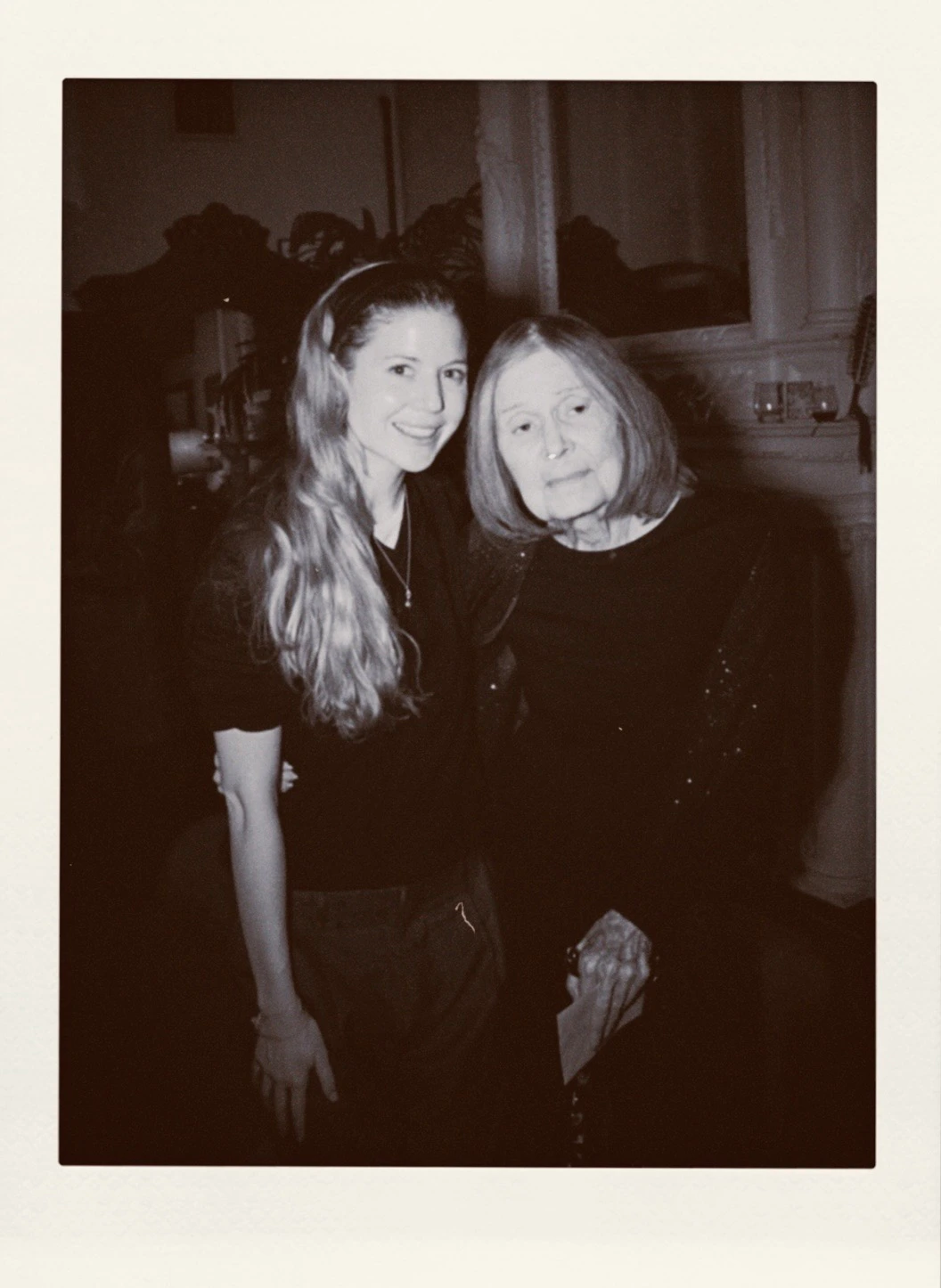
I Told Gloria Steinem About My Abortion
Words by Megan O'Sullivan
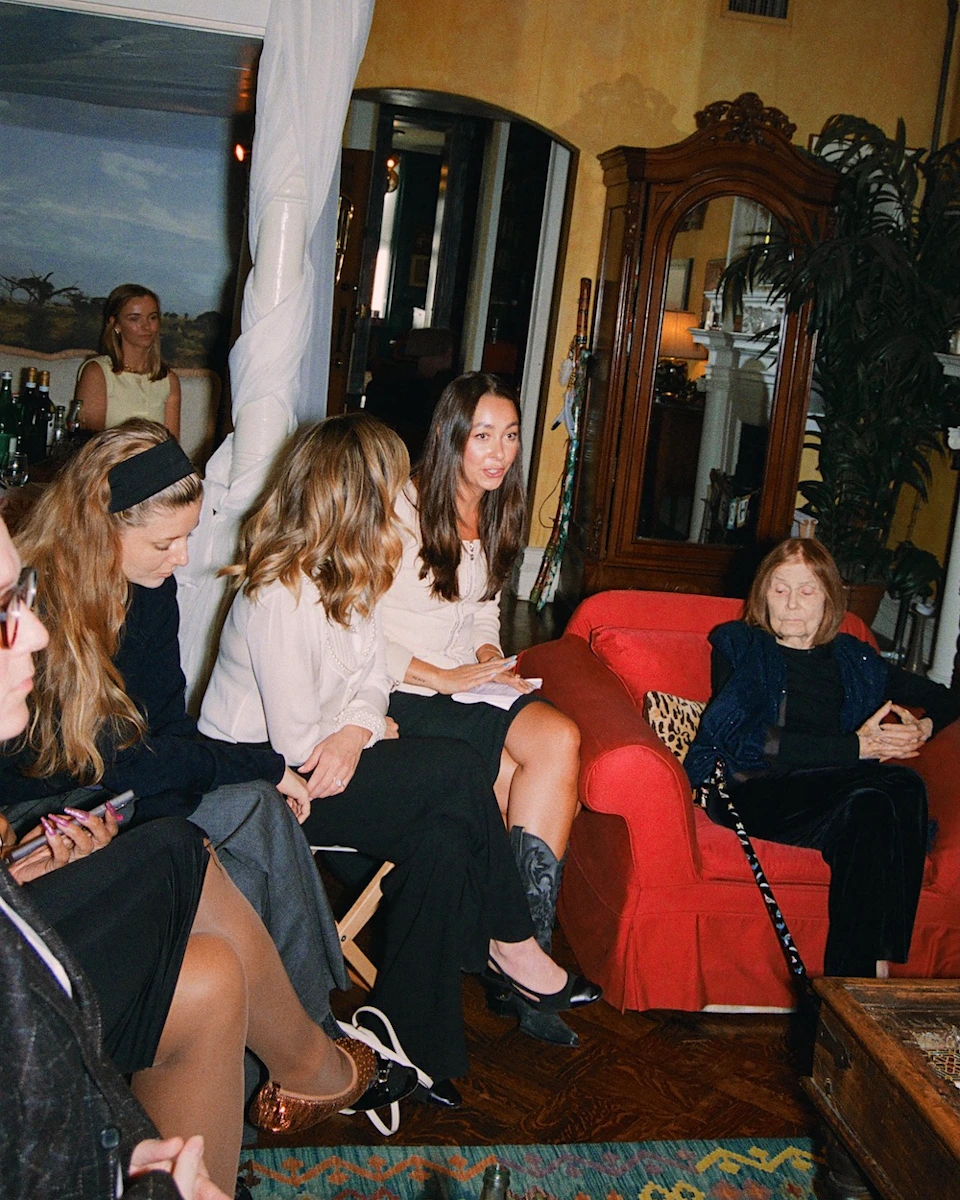
It feels like things are going to be okay—at least it does when you’re in Gloria Steinem’s uptown apartment. Earlier this month, I walked into the velvet-curtained, lushly furnished womb of a living room to find Gloria seated in a deep-red reading chair decorated with a leopard-print pillow. Around Gloria, 20 women sat wherever they could: on the arms of her chair, on an adjacent forest green cushy sofa, on miscellaneous seats placed in an oblong formation. The walls were a patinated golden yellow, making the space feel cavernous and warm. An eclectic collection of antique paintings and mirrors lined the room—a room where, since 1968, women have gathered for conversation circles just like this one.
Nine months before walking into Gloria’s living room, I had an abortion. And on that day, the day I joined this conversation circle, I was on day three of intravenous hormone injections as part of my egg-freezing journey. Thirty-three was a big year. It was one for making decisions that seemed to bear more weight than any I had made before. But inside that living room, where many women who had made similar decisions had been, the weight lifted.
I found my seat on the edge of the circle and exhaled the way anyone does upon realizing they are in the presence of a person—no, the person—who gets it. Gloria said that she first moved into this apartment nearly 60 years ago, just before she attended the Democratic National Convention in Chicago, which she reported on for New York Magazine. She remembers opening the door, putting her bags down, and immediately leaving for the airport. She was 34, just one year older than me. I loved imagining her at my age, establishing herself as a journalist and on the precipice of becoming a leader in the women’s liberation movement.
Looking around the room, I wondered who else might be in my shoes. I felt like standing up and asking, who among us also had an abortion in their thirties and is freezing their eggs and currently feels raw emotion and dull panic about both of these events at all hours of the day? But I didn’t have to.
The conversation started with an introduction from Jamie Norwood and Cynthia Plotch, co-founders of Winx, the women’s health company that had put this salon together. There is something awkward and very 2026 about being brought into this sacred space by a company, for a conversation taking place by way of capitalism, in a room full of creators. But if there’s a brand aligned with Gloria’s mission, it’s probably the one producing an over-the-counter morning-after pill. And who am I to judge the conditions under which I am invited to Gloria Steinem's home? Being there felt like a cosmic gift, like maybe my maternal ancestors had willed me into this room. It felt like some higher power somewhere knew that if there was ever a time to bestow me with a deeper understanding of my own womanhood, the time was now.
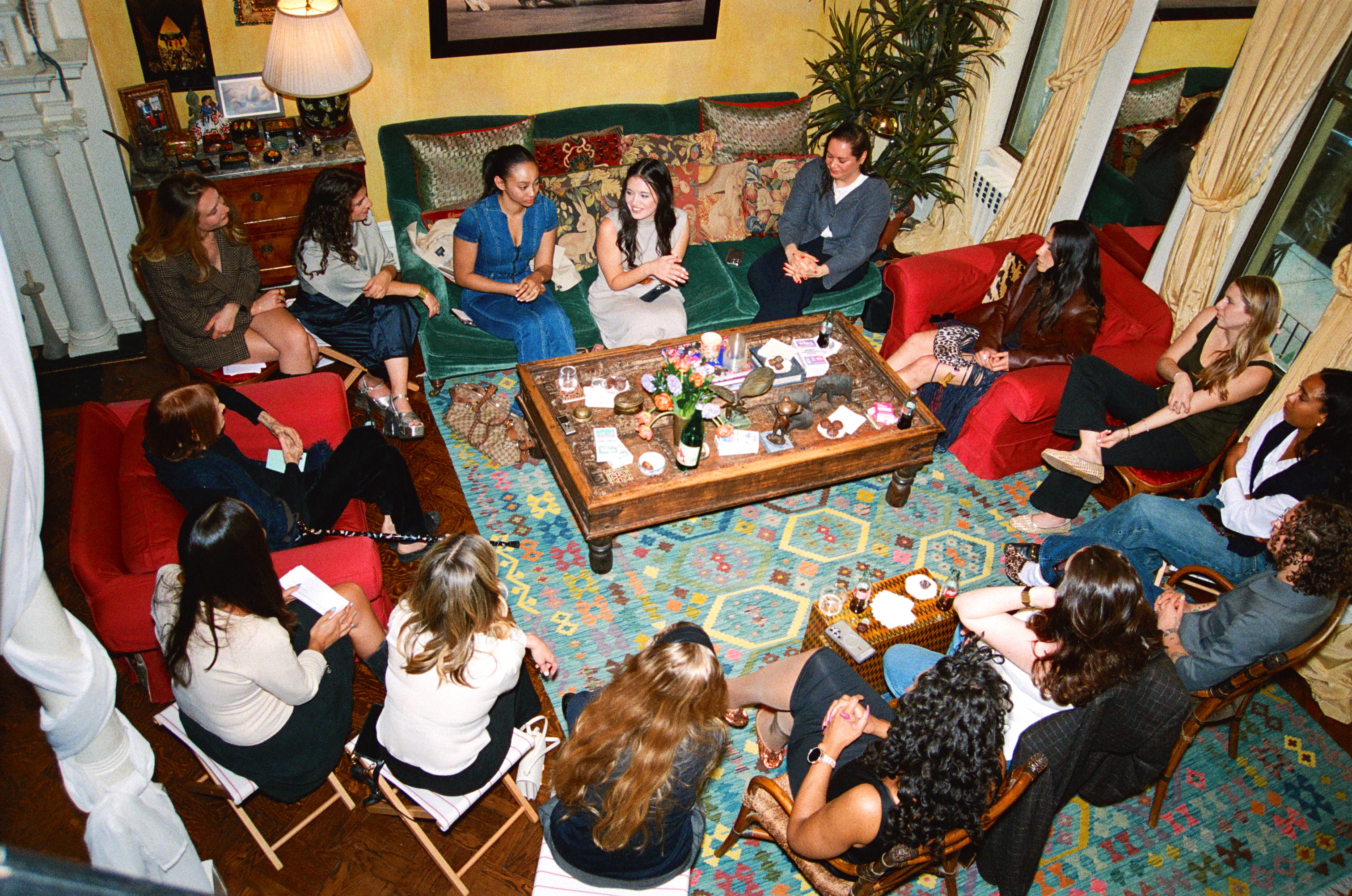

"Who am I to judge the conditions under which I am invited to Gloria Steinem's home?"
We were guided to talk about the current state of reproductive rights and how social media—where misinformation runs rampant—often misleads or creates fear around women’s health. Each person in the group, which included my friend and artist Ella Emhoff, who invited me to the occasion; the comedian, podcaster, and host Tefi Pessoa; and the Summer House cast member Mia Calabrese, had their own story and perspective to contribute. Though, we all agreed that we were frustrated by online conversations implying that birth control is “bad for you,” frightened by emergence of the “tradwife,” enraged by the rollback of abortion rights, and concerned that our generation has forgotten how hard women before us had fought for reproductive freedom.
“We hear so much about abortion embarrassment, abortion grief,” Tefi said. “But what about abortion joy?”
This was the first time I had heard the distinct feeling I experienced months earlier put into words. “I’ve felt that,” I said, and found myself suddenly recounting my abortion with a newfound and unexpected ease.
I told the group that I took the subway to my procedure, which felt oddly sneaky and taboo. They don’t know I’m going to get an abortion right now, was all I could think when I made eye contact with anyone between south Brooklyn and my downtown appointment. The nurses treated me with the type of care that can only be exhibited by people who have seen this before, done this before, been through this before. “Don’t worry,” they told me, “We do this every day.” I’ll never forget laying in the ultrasound room, underneath a fluorescent light, while “Shallow” by Bradley Cooper and Lady Gaga played in the background. The doctor told me to take a deep breath several times. There was a tug and a twinge of pain, and then it was done. “Congratulations,” my doctor said just before leaving the room. “You just got your life back.”
"I felt like standing up and asking, who among us also had an abortion in their thirties and is freezing their eggs and currently feels raw emotion and dull panic about both of these events at all hours of the day?"

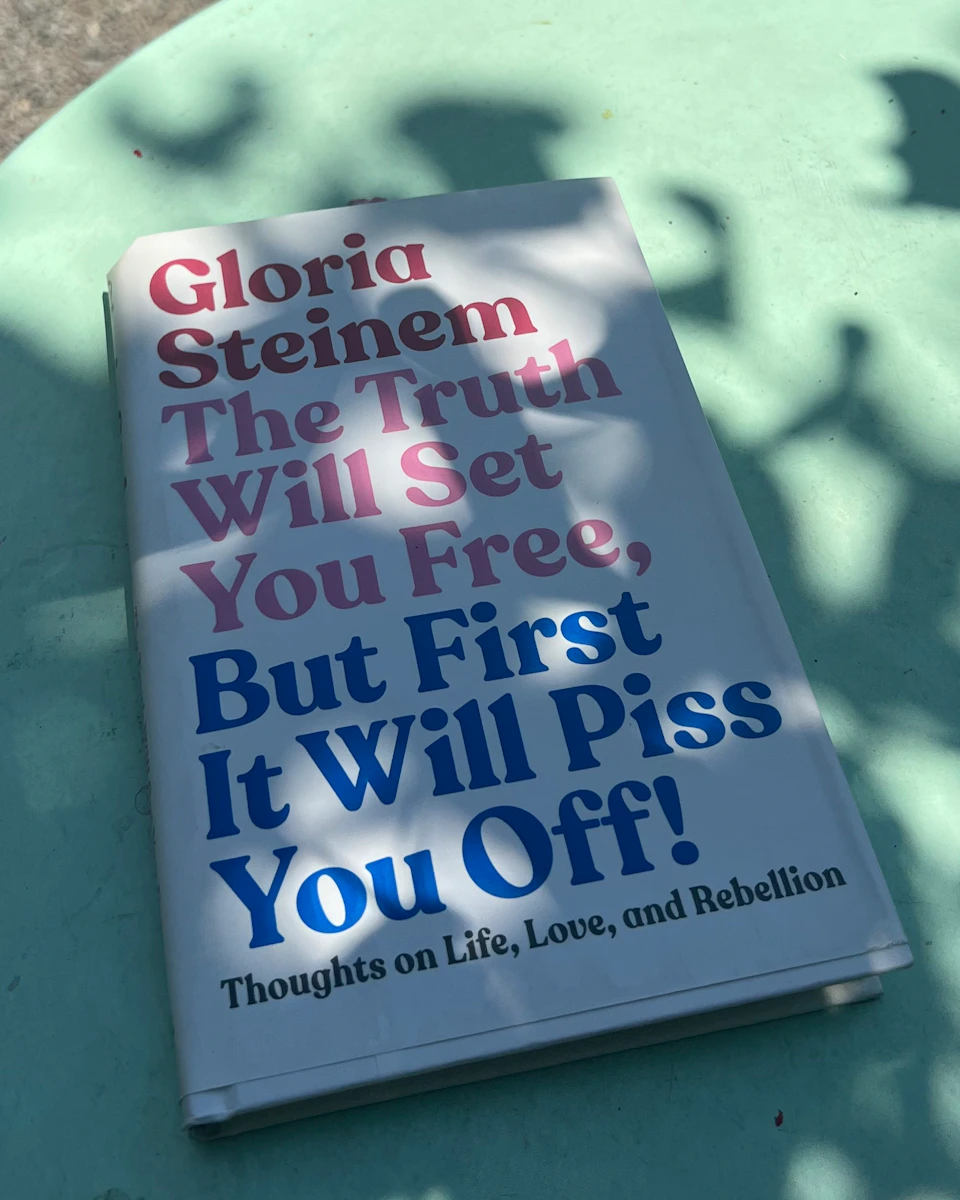
My abortion joy was strange because it was wrapped in grief. Gloria once said, in a 1992 lecture about her book, Revolution from Within: A Book of Self-Esteem, that “we live in an either-or world.” She explained that there’s little room for nuance. Today, abortion is one of the most polarizing topics. On top of that, pregnancy is something we do everything in our power to avoid until a certain age, and then, with the same velocity and fear, do everything possible to achieve. Mine sat somewhere in between—I was certainly old enough, it was certainly imaginable, but the circumstances weren't right, and I wasn’t ready. It didn’t feel like an either-or thing at all.
I know that there are those out there trying to conceive, and I hope to be one of those people someday. I also know that my story is one of privilege, and that the consequences of being denied this aspect of basic healthcare are not just life-changing, but also life-threatening. Still, getting an abortion in my thirties felt like wading through a fog. I belabored the decision because I’ve always imagined becoming a mother. Why wasn’t I doing it now? What if it was my last chance? Would it ever happen again? In this swirl of existential fears, I phoned my mom, my aunts, my closest confidants. They each told me that all I could do was follow my instinct, that if any part of me was hesitating, I should listen to myself.
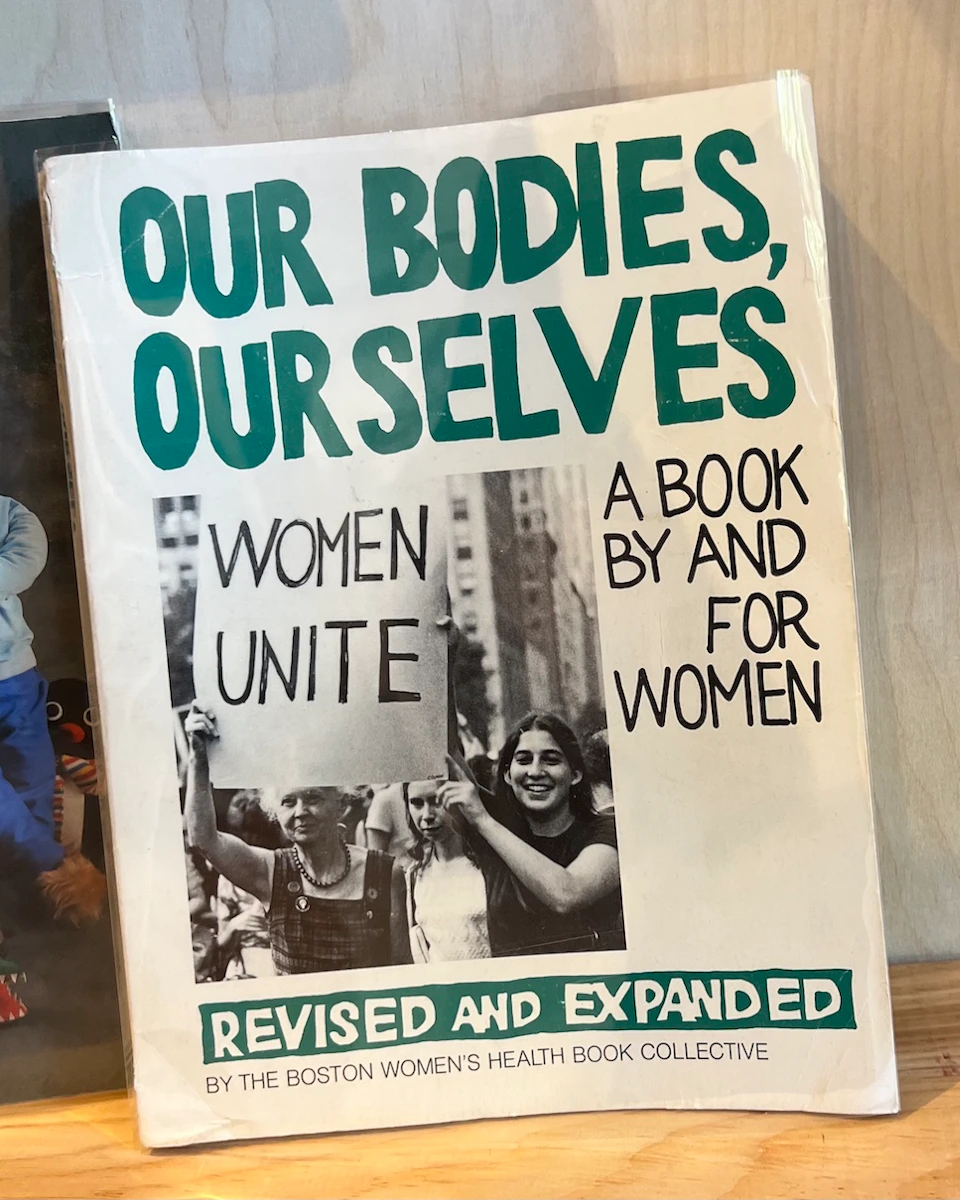
I shared one more part of my story: My mom’s two sisters, who both happened to be in New York at the time, accompanied me to my abortion. When it was all over, there was an unexpected silver lining. I felt that I was part of a lineage, let in on a secret, welcomed into a whisper network of women who knew the distinct feeling of drinking apple juice while seated in a clinic after an abortion, who knew the exact world-stopping mix of panic, comfort, despair, and relief. It was as though this rite of passage made me more connected with women around me, with my body, with myself. I felt elated.
"The entire process, from the social worker talking me through my options to the decision to terminate the pregnancy, felt like an initiation into a whisper network of women."
Gloria listened with her hands folded in her lap. “Well, you know what Flo Kennedy famously said,” she responded when I’d finished, invoking her friend, the radical feminist, lawyer, and civil rights advocate. “If men could get pregnant, abortion would be a sacrament.”
Of course Gloria knew what I meant. Of course she knew what I was talking about and could hold the range of emotions I felt. Without her, I wouldn’t know abortion joy. But I never thought I would have the chance to feel seen by the woman who helped give us the right to choose. Here was the voice of the second-wave feminist movement, in her home, nodding along knowingly, reminding us that having an abortion is something to celebrate, even when it’s heavy. And most notably, that each one of us, each story in that room, was part of something much bigger than ourselves. That abortion shame is a product of patriarchy, and that talking about our lived experiences deprives the system of some of its power.
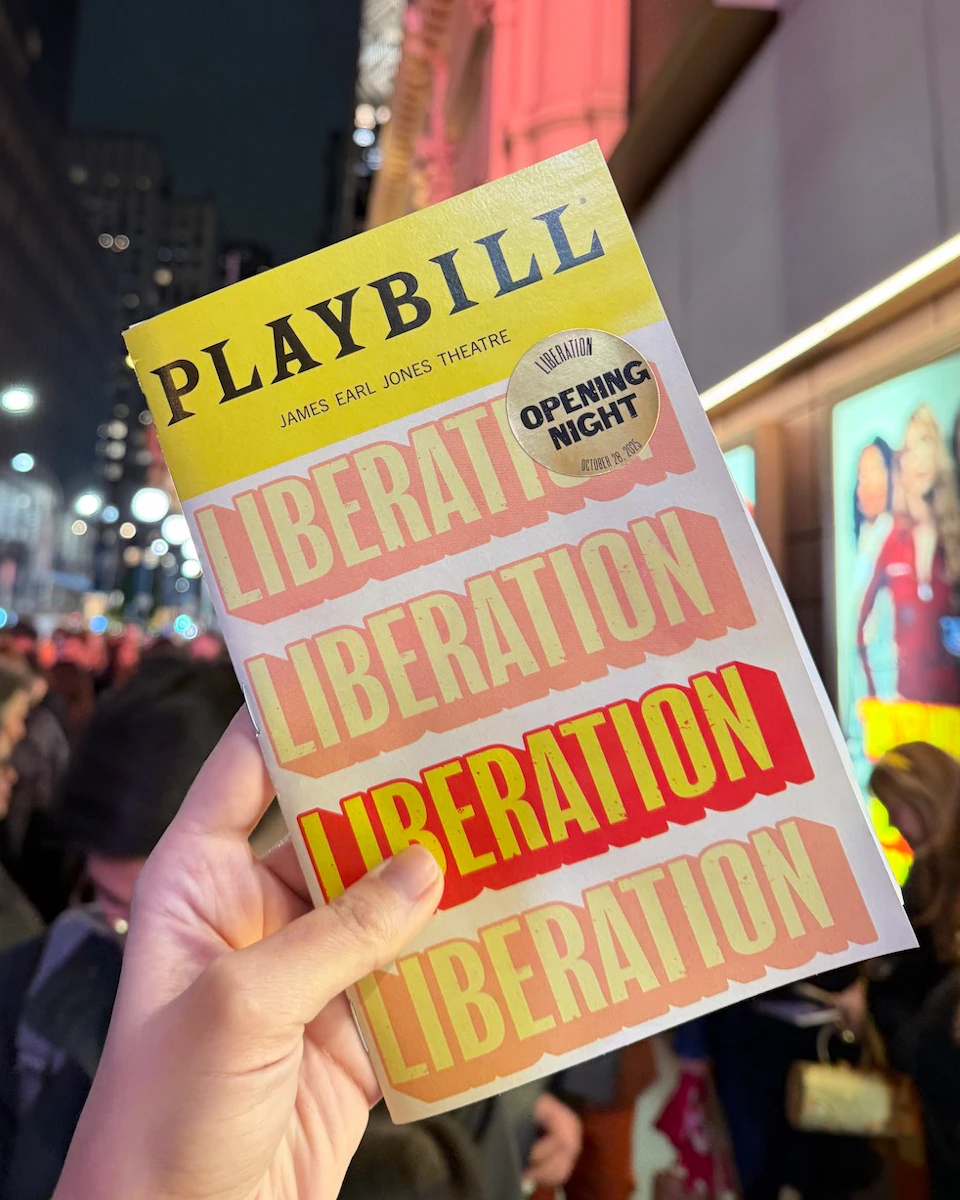
Just after my abortion, I saw the Broadway play Liberation, which felt like another stroke of timely fate. Consciousness-raising groups were the centerpiece of second-wave feminism. In the sixties and seventies, women gathered in public spaces and homes to exchange stories and address systemic oppression. Bess Wohl’s play depicts one such group, which was inspired by her mother’s life and activism. In one of the most poignant parts of the play, Bess weaves in quotes from the actual group members about the time they spent together. Among them: “Those women saved my life.”
I could see that Gloria knew we each had the capacity to save each other, even if just by listening. She sat quietly and let the group converse, as if to ensure we connected with one another. She interjected every so often, asking “Who pays these people to share misinformation?” and “How can we make sure we boycott the companies that are anti-choice?” I thought Gloria must be horrified by the hyper-online, late-capitalism version of the conversation she’s been having for decades. If so, at 92-years old, she approached the topic with the same honest curiosity she’s always led with.

"Here was the voice of the second-wave feminist movement, in her home, nodding along knowingly, reminding us that having an abortion is something to celebrate."
What I didn’t share that day was that my abortion was a catalyst for freezing my eggs, which in many ways, feels like the new frontier of choice. Preserving my fertility felt like something I could do despite all of my unanswered questions around how or when I’ll become a mother. I didn’t share that the ultrasound technician who told me I was pregnant said that abortion was a sin I could never take back, that her words haunted me. I didn’t share that I was from Texas, and that if I had still lived in the state that raised me, I wouldn’t have had a choice—at least not within its borders.
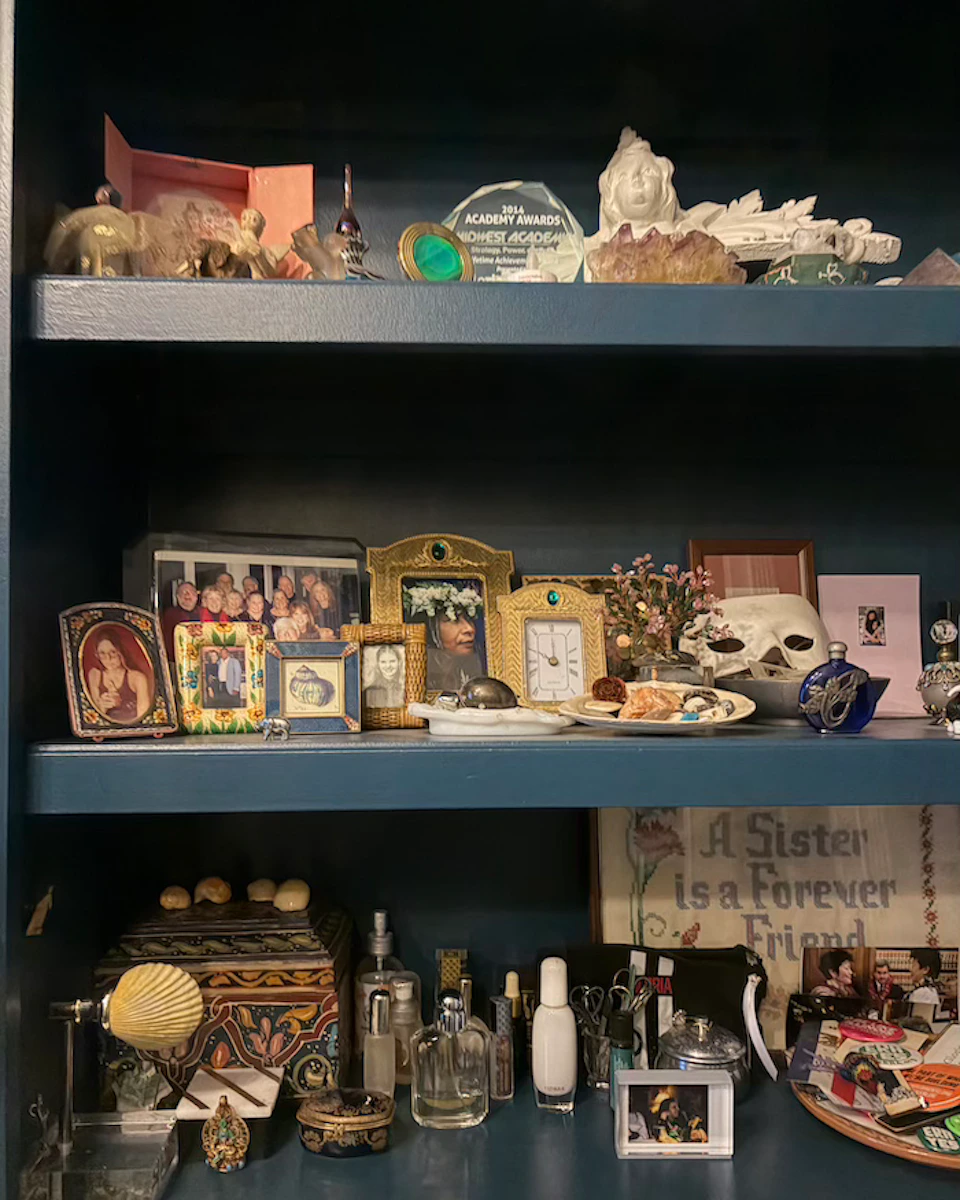
Toward the end of the gathering, Gloria gave a nod to a woman who works for her foundation. She prepared to bring Gloria back to her bedroom to lay down. Before saying goodbye, she offered a few photos and handshakes. I asked one of the hosts if there was a restroom I could use before I left. “Of course,” she said. “You can just use Gloria’s.” Something about peeing in Gloria Steinem’s bathroom felt intrusive, but she assured me that this was a normal thing to do. She guided me past the bedroom and to her en suite bathroom. I shut the door and paused. I wanted to take note of every single object and detail without taking an inappropriate amount of time in Gloria Steinem’s bathroom.
Three navy-painted shelves were decorated with a clutter of objects from her life. There were photos—one of Gloria in her twenties with big, rose-colored glasses on, several of big groups, presumably of her family and friends. There was a basket filled with pins from various marches and movements. There was a needlepoint, framed tapestry, reading “A Sister is a Forever Friend.” It must have been a gift from one of the many sisters and friends she’s kept over the years. I thought about how these words might have shaped her life.
As I walked out of the apartment and down 73rd street, my eyes welled up. I thought about the abortion I shared, the sisters and aunts and mothers and daughters who have passed through that room and walked down this street. I don’t know if it was the hormone shots or the fortuitous timing of my meeting with Gloria making me emotional. Either way, I felt a sharp awareness that I wasn’t alone—that as long as we keep coming together in sacred spaces to talk, we will be okay.
Megan O'Sullivan is a New York-based writer. Her words appear in The New York Times/T Magazine, Vogue, i-D, GQ, Document Journal, Flaunt, and more. Megan co-founded Byline in 2022 and currently leads content at Gap.