Why I Had to Quit Romance Novels to Embrace Motherhood
Words by Sarah Levy
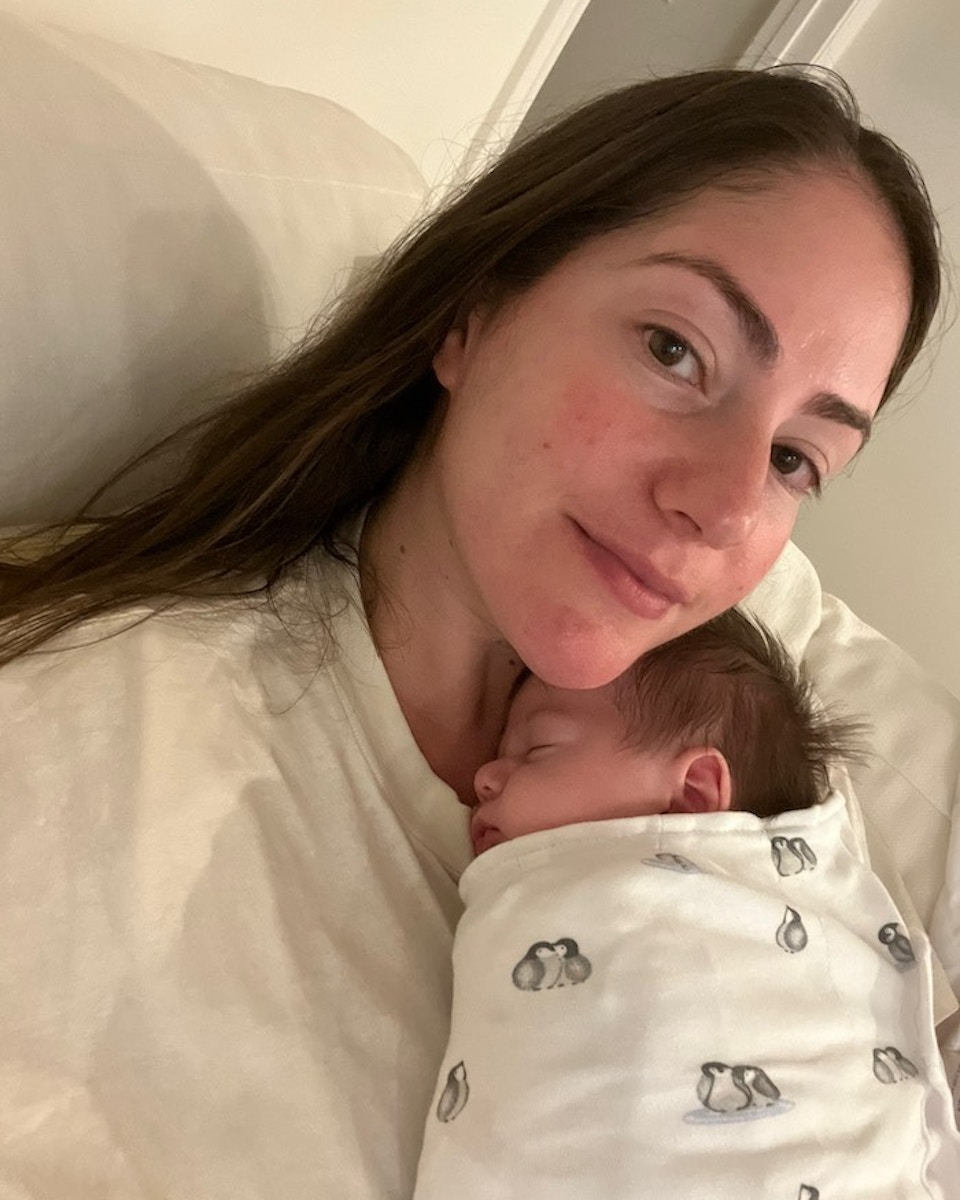
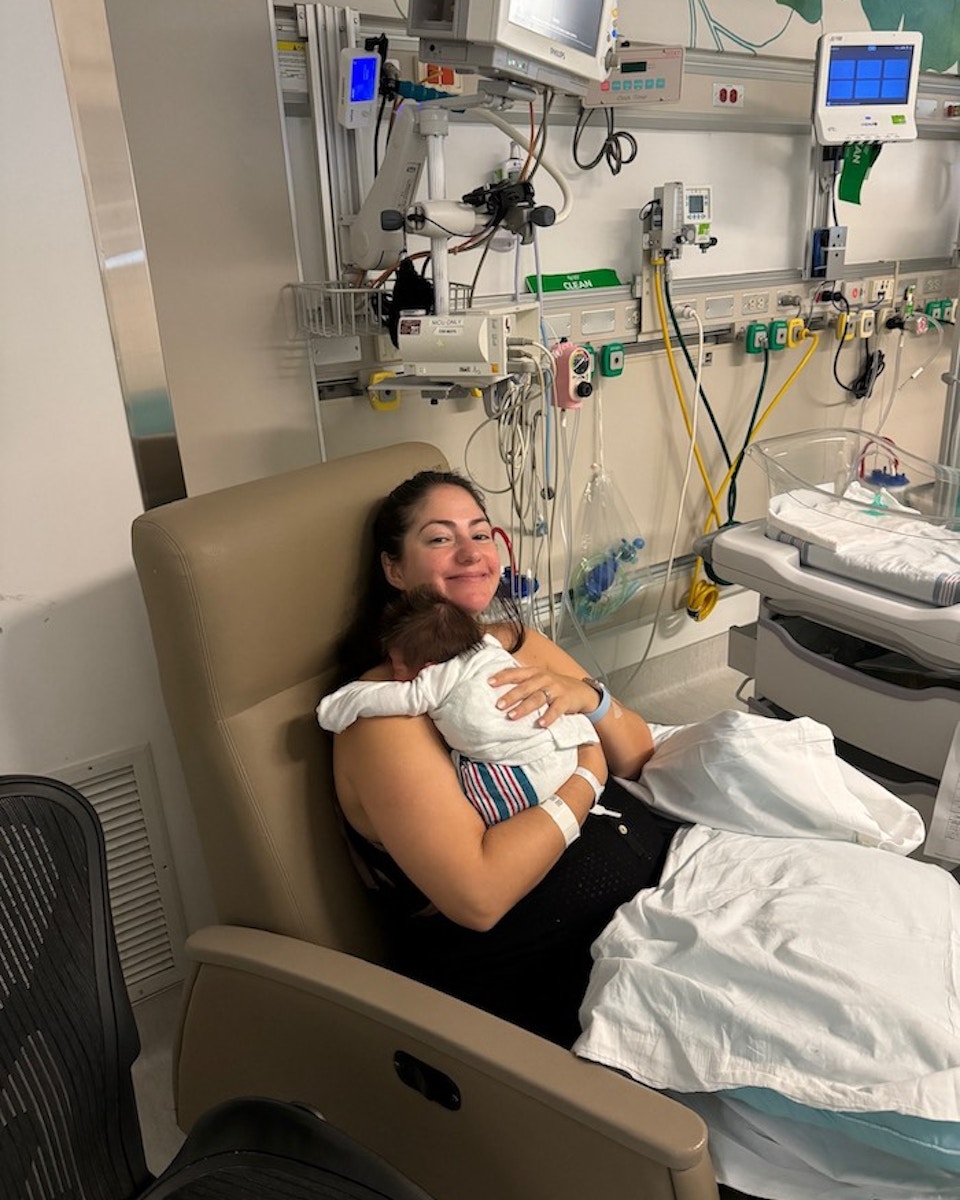
I loved him immediately, the moment they put him on my chest. My baby boy; a love like I had never known. But the fantasy ended there. My son spent the first two nights of his life in the NICU, hooked up to wires and machines monitoring his heart rate and oxygen levels. Breastfeeding, which I had imagined would come naturally, was painful and complicated by tongue ties.
My baby struggled to keep weight and I had D-MER, a condition where feeding triggered waves of anxiety and sadness during let down. I was bone tired and desperate for rest that never came. I argued with my husband about things we would not remember in the morning but seemed urgent at two a.m. as the baby screeched. I was different, and not in the ways I had imagined.
A pattern began to emerge: In motherhood, where there was a fantasy, there was an opportunity to be disappointed.


"A pattern began to emerge: In motherhood, where there was a fantasy, there was an opportunity to be disappointed."
I was no stranger to fantasy, but before marriage and motherhood, it had looked different. I binged TV shows; I swiped through dream houses on Zillow; I harbored crushes on men. And I read books. Books of all kinds, but the best for escape were romance novels.
These were not your mother’s romance novels or the ones you found in grocery stores stacked by the M&Ms in the checkout line. I was a card carrying member of the modern romance novel era, heralded by young authors who were reimagining the genre. They wrote plucky protagonists with a strong sense of self—no wispy, desperate heroines here—excelling in their careers but lacking in love. The meet cutes and opposites-attract tropes were peppered with witty banter, smart writing, and a spicy side of falling madly in love.
In one of my favorites—Beach Read by Emily Henry—two rival authors rent neighboring beach houses for the summer. Both struggling with writer’s block, they decide to swap genres and write each other’s next novels, resulting in an enemies-to-lovers romance. I loved the idea of two equals, both accomplished in their own right, coming together to fill in each other’s gaps, repairing the parts the other couldn’t fix alone.
"I was no stranger to fantasy, but before marriage and motherhood, it had looked different. I binged TV shows; I swiped through dream houses on Zillow; I harbored crushes on men. And I read books. Books of all kinds, but the best for escape were romance novels."

In the early days of dating my husband, our relationship fit my fantasy mold. On one of our first trips together, he unpacked his suitcase to reveal a beautiful dress I had admired at a boutique weeks earlier but ultimately hadn’t bought for myself. The romantic gesture left me breathless; it was like something out of a book. I loved being taken care of, doted on, and surprised.
I envisioned our early days as parents being more of the same: my husband jumping up in the middle of the night to change a diaper, happily bonding with the baby, and bringing me breakfast in bed, eager to let me rest; him excitedly planning weekend activities for us, a warm light enveloping us... In this fantasy life, we were happy all the time, basking in the newborn glow like all the Instagrams promised. But unlike a character in a romance novel, my husband was also tired and had to get up for work in the morning. He didn’t know how to get our newborn to stop crying, and when he did try to help (which, let the record show, he did) our baby only wanted me.
My husband—who runs his own business and did not receive a lengthy paternity leave—worked all the time. I was fortunate enough to have helpful and involved parents nearby, and yet, sitting in my son’s dark room rocking him to sleep night after night, I felt alone. Motherhood was hard, and I wanted someone else to teach me how to do it. I was exhausted and overwhelmed. I wanted to be rescued, but no one was coming.

"Motherhood was hard, and I wanted someone else to teach me how to do it. I was exhausted and overwhelmed. I wanted to be rescued, but no one was coming."
I had fantasies beyond the newborn phase, too. Because I don’t work a traditional nine-to-five office job and have the flexibility that comes with working for myself, I envisioned being able to do it all. Write my second book while the baby napped; make time for exercise, therapy, and recovery meetings; nourish old friendships and build new ones; keep my home tidy and organized; stock the fridge with healthy groceries and prepare beautiful meals for my family. I had watched my mother—a full-time, hands-on stay at home mom—take care of us growing up, and the idea of hiring outside help felt shameful. But my fantasy was impossible; contact naps were my son’s go-to. I hardly had time to get a load of laundry in and eat breakfast, let alone write a chapter. I was drowning.
I did what I'd always done when reality became uncomfortable: I disappeared into books. As my son slept on me I read romance novels on my Kindle, comforted by the familiar rhythm of the stories. But, in motherhood, my fantasy world had an underbelly, a serpentine hiss that sucked me away from my real life. Each time I finished a book, I crashed, emotionally hungover and wishing I could be transported back into my fictional worlds. I found myself wondering about other new parents, scrolling Instagram and imagining their lives to be the fantasy versions I was not experiencing. I picked fights with my husband when he left dishes in the sink or didn’t offer to help with bedtime; the husbands I saw on Instagram and in my romance novels would never. My perception of my reality was distorted both by my own fantasies and comparison with others.
Around this time, I found myself sitting on my therapist’s couch voicing a list of complaints: some specific, some vague. As I heard myself talk, a common thread appeared: I was actually happy until I looked up from my side of the street and started thinking about how things were “supposed” to look or might look for other people.
“I had this fantasy of what my life might look like,” I said, citing examples of characters in books I loved. Happily ever afters.Perfectly-written lives.
“I think,” my therapist began slowly, “you might want to take a break from romance novels.”
It felt counterintuitive, as a writer, to put down books. But my therapist had a point. I was losing the plot, so to speak, because I was constantly comparing it to how the fantasy version was supposed to look and winding up disappointed as a result.
"In motherhood, my fantasy world had an underbelly, a serpentine hiss that sucked me away from my real life. Each time I finished a book, I crashed, emotionally hungover and wishing I could be transported back into my fictional worlds. I found myself wondering about other new parents, scrolling Instagram and imagining their lives to be the fantasy versions I was not experiencing."

The first week without romance novels felt raw. When my son went to bed at night, I'd pick up my Kindle by reflex, ready to lose myself in someone else's happily ever after. But slowly, without fantasy fogging my thinking, I started to see my life more clearly.
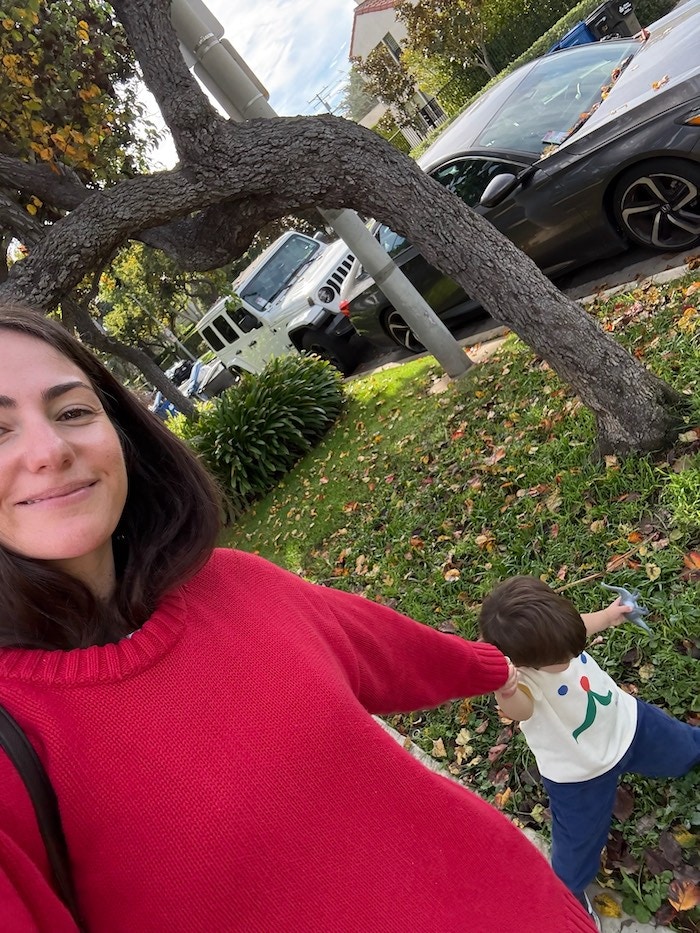
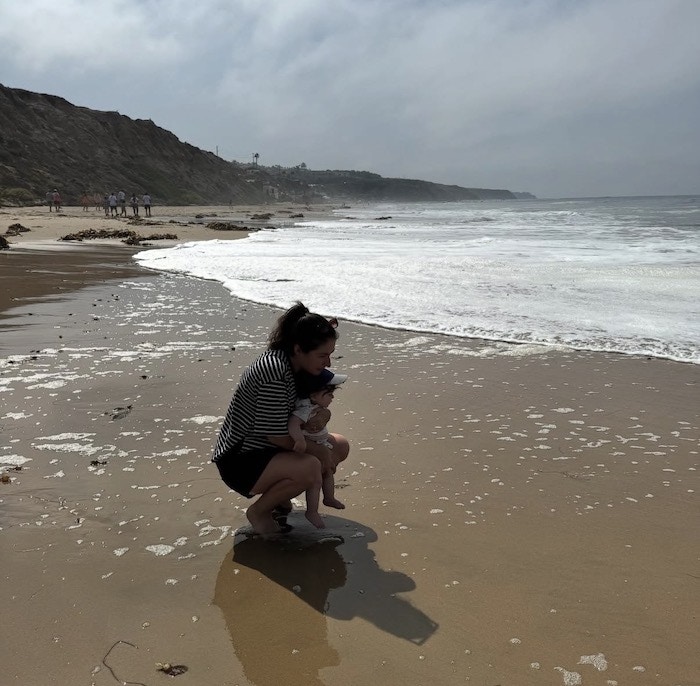
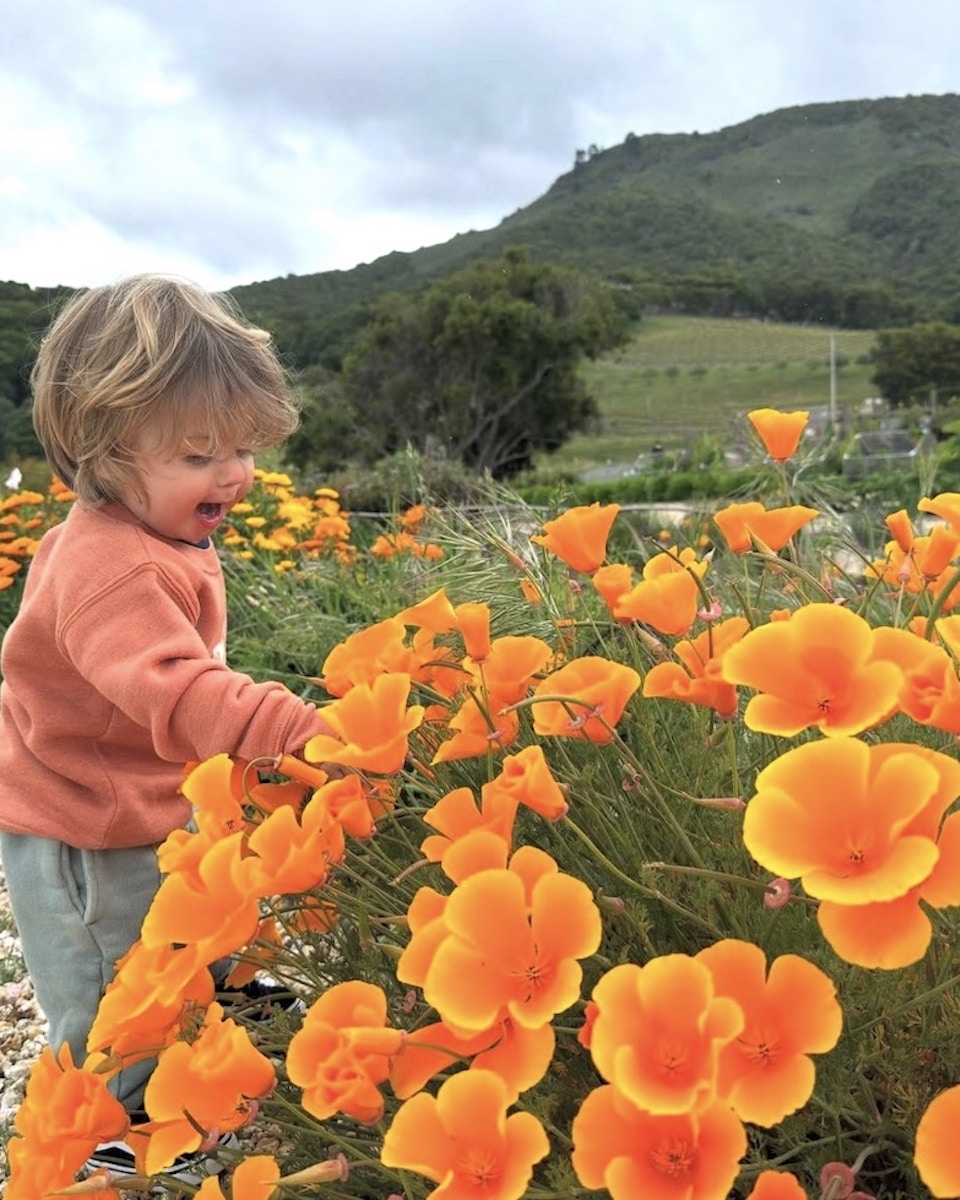
Where I once woke up on weekend mornings waiting for my husband to suggest an exciting family activity—an escape!—I started making my own plans. I took my son to the park, the beach, the farmer's market, and museums. I made plans with friends and family. When I stopped waiting for my husband to read my mind and sweep me off my feet, it was liberating. Sometimes my husband joined us, other times he didn't. Initially, his absences made me uncomfortable. Shiny perfect families are supposed to always do things together, I thought. But when we each took time for ourselves, we were happier and more relaxed for the time we did spend together. Instead of waiting for life to happen to me, I started being the architect of my own story.
I also realized that mothering my son well meant mothering myself. This meant putting new structures in place: more childcare, a membership to a Pilates studio that got me out of the house, and writing deadlines that held me accountable. No more wishing and hoping that my fantasy schedule—writing while my son napped and finding time for everything else—would magically work. When I got honest about what I needed, I didn't feel like such a damsel in distress.
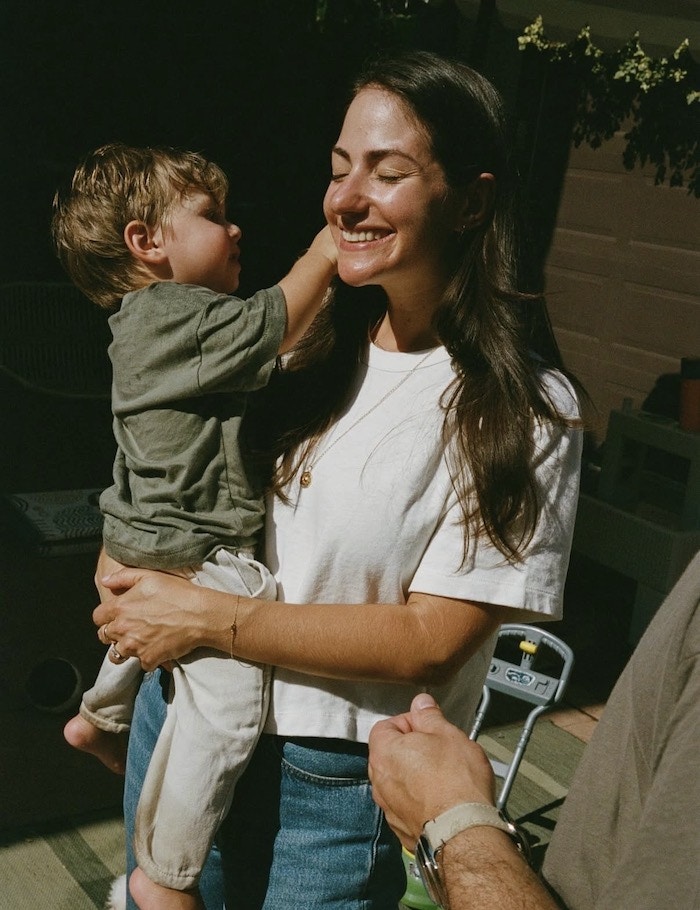
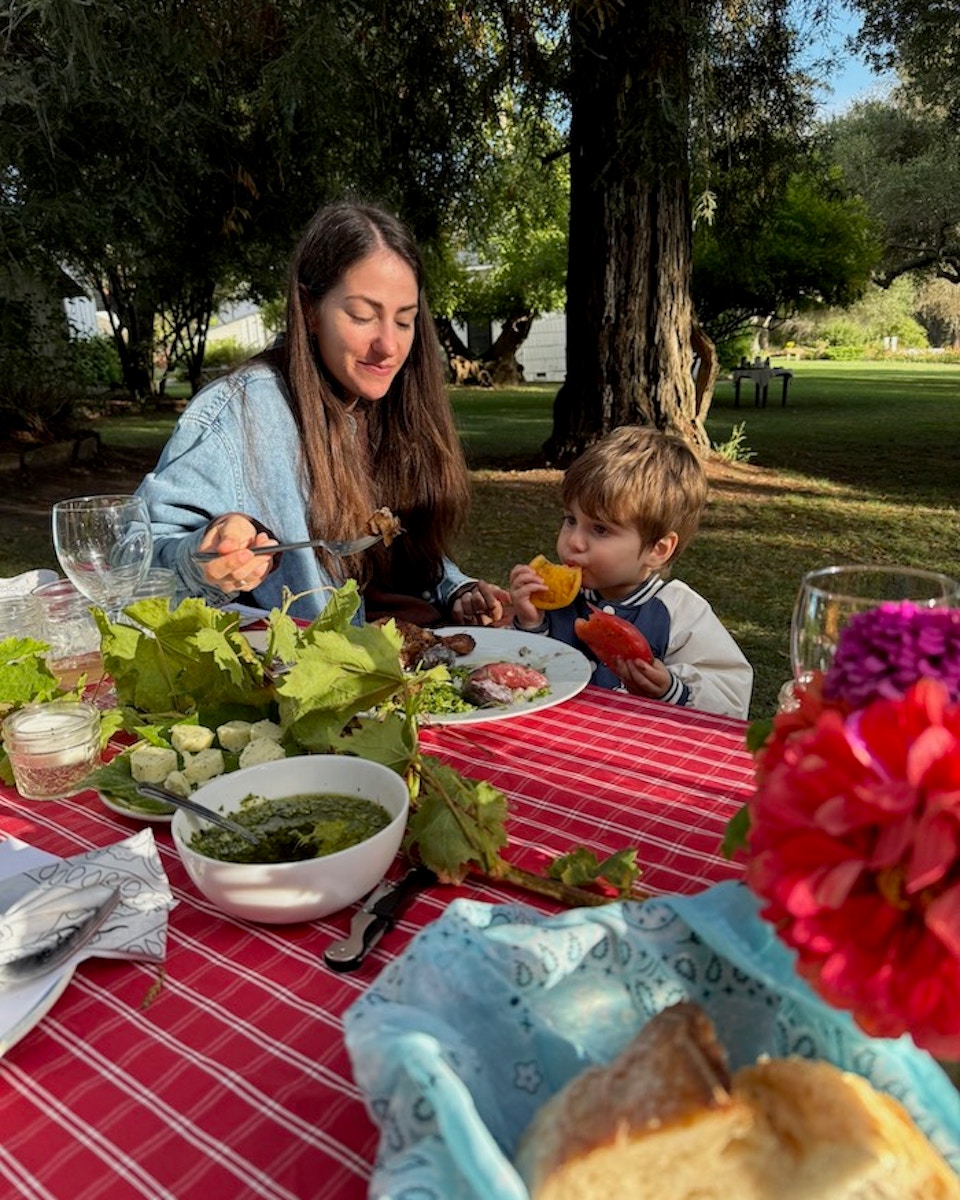
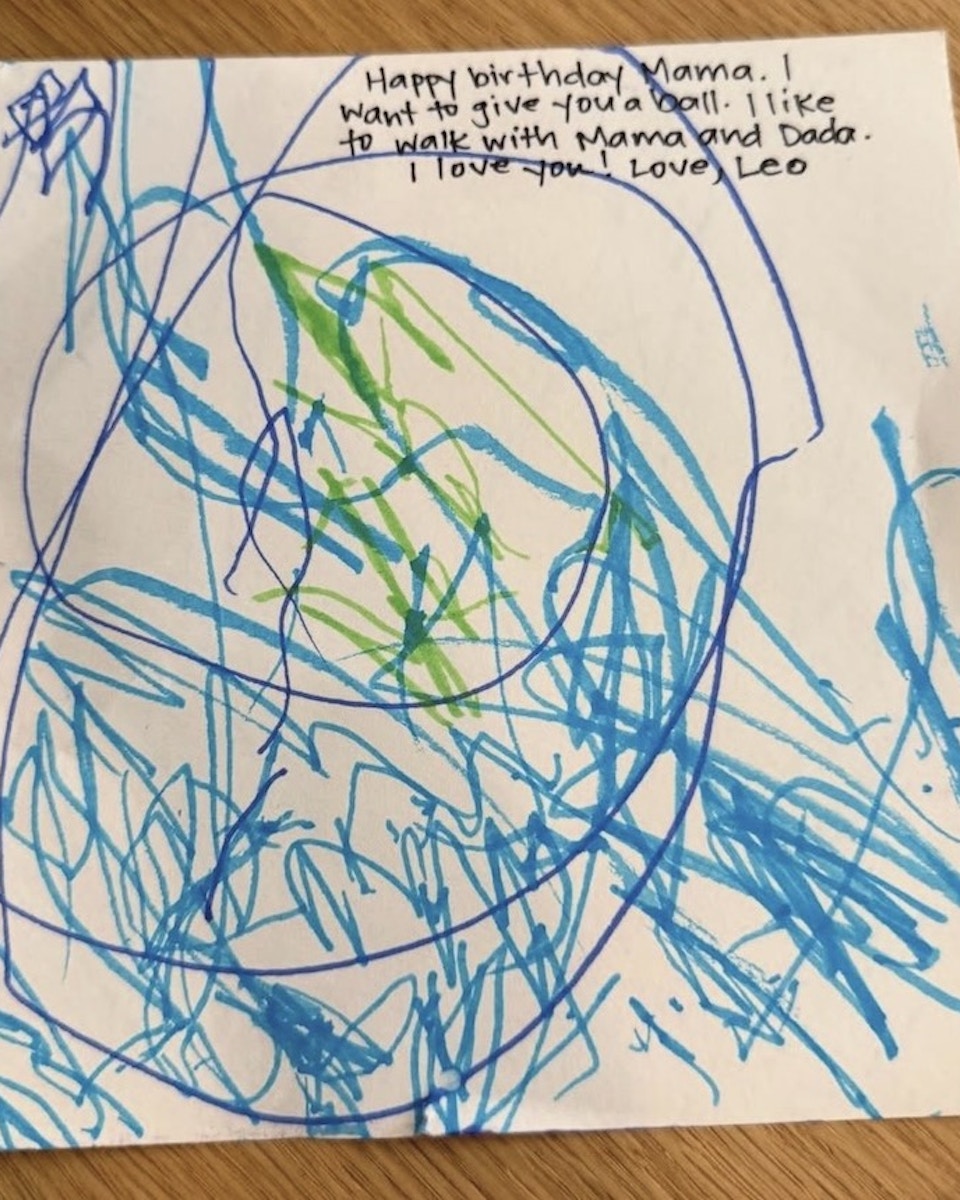
In time, as I developed more confidence in my ability to mother and take care of myself, I realized I didn’t need saving; I could save myself. I started reading again, not for escape, but for learning and pleasure. I read memoirs, books by and about mothers, and novels about friendship and identity. I also started noticing small, achingly tender moments I had never thought to fantasize about that still took my breath away. The first time my two-year-old looked up at me and said “I love you”; driving home after dinner with new friends and feeling the joy of connection; going on a family walk as the sun set.

"When I got honest about what I needed, I didn't feel like such a damsel in distress."
My fantasy ending to this essay is that I have cracked the code and am now cured, but I am still working on it. Disentangling myself from old ideas can be tricky, especially when our social media feeds are a barrage of picture-perfect, annoyingly cozy families. What I always sought in fantasy was a desire to be taken care of—to feel swept away and wrapped up in something safe. I can still stumble into old ideas of what a happy family "should" look like. (Fantasy: us at the farmer's market on Sundays, loading up a cart with seasonal produce before making a delicious and nourishing dinner in our meticulous and sprawling kitchen. Reality: taking turns chasing our toddler around the park while the other one exercises or works, a messy house, ordering takeout for dinner.) But I'm learning to see my husband not as a knight in shining armor who's supposed to sweep me off my feet, but as an equal—a partner in this sweet, imperfect life we're building together. Therapy helps, and so does saying my fantasies out loud so I can hear how rooted they are in old thinking and comparisons.
One thing is sure: mothering myself is better than the fantasy of being taken care of by someone else. In time, caregiving, an act I initially struggled with, has become the most grounding force in my life. When I show up for myself the way I show up for my son, I'm not asking to be rescued—I'm building something else: a life I don’t want to escape.
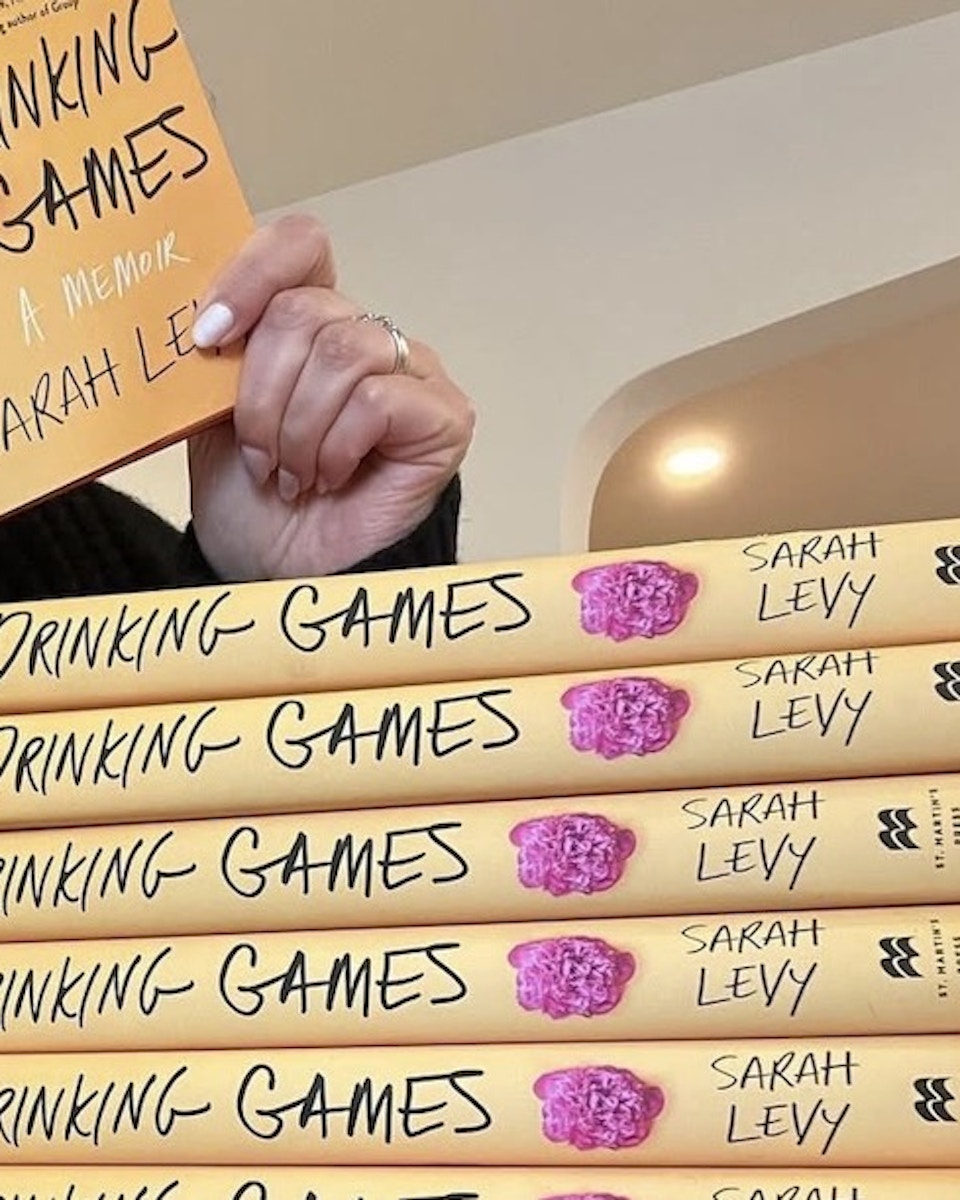
Sarah Levy is a writer and the author of Drinking Games, an essay collection from St. Martin’s Press. She has contributed to The New York Times, The Cut, Vogue, Glamour, Cosmopolitan, and other publications. She lives in Los Angeles with her husband and son. You can also read her newsletter on Substack.