Getting Sticky With Meena Harris
Photos by Samantha Cooper, Words by AnaMaria Glavan
Meena Harris’ new book, Maya’s Big Question, is out this week. This is the third installment in her Ambitious Girl series, a children’s publishing phenomenon that’s landed on the #1 New York Times bestseller list.
For Meena, powerful female role models were the baseline. She grew up, as she describes it, in something akin to a real-life Wonder Woman opening scene: strong women leading and shaping the world around them. The idea of men holding all the power felt foreign because it simply wasn’t her lived experience—and that perspective has shaped the way she moves through the world. She’s long challenged the status quo, openly prioritizing having children over marriage and building a family dynamic that looks different from the one we’re typically spoon-fed. (Her husband is a stay-at-home dad.)
Below, we talk to Meena about why everyone in the family, kids included, deserves a seat at the dinner table when discussing politics and the state of the world, why teaching children to question the status quo is essential, and what it looks like to raise ambitious girls today.
Redefining the family structure
My journey into motherhood was non-traditional but intentional, which is another way of saying that it was planned but I was unmarried. I was in a corporate job in a relatively conservative industry so I definitely worried what people might think, but it was my choice. The dialogue around traditional standards has really evolved, which has been nice to see—people embarking on journeys in the way that they want and choosing that for themselves.
I had met the person I wanted to be with, and the timing felt right. For us, it was more important that we wanted to start a family. Marriage felt incidental for a variety of personal reasons and just wasn’t a priority.
I also grew up in a fairly non-traditional way. Because of my own childhood, I don’t think I had preconceived notions of motherhood or parenting that I expected to materialize. In retrospect, it’s a gift that I get to experience motherhood without those expectations.

"I had met the person I wanted to be with, and the timing felt right. For us, it was more important that we wanted to start a family. Marriage felt incidental for a variety of personal reasons and just wasn’t a priority."
When we had our second daughter, my husband decided he wanted to become a full-time parent. That was not something we had planned at the outset, but it has turned out to be a real gift. It’s allowed me to approach my work in ways I probably couldn’t have imagined—to pursue my passions and start a business that would not have been possible without the family structure we have.
Growing up, motherhood looked really hard to me. I had a teenage single mom putting herself through school while also working. My grandmother, who helped raise me, emphasized that a lot, I think because she wanted me to appreciate how hard my mom worked to create a good life for us. Nik’s being a full-time parent has been a huge privilege to our family, and among many other things, it gives me more freedom in how I get to experience parenting and work.
When we’re talking about families and privilege, about who gets support and who doesn’t, I have to add that our country is still getting this so wrong. And we’re getting it wrong from the very beginning, from birth. I was already aware of this from a policy standpoint, but becoming a mother gave me even more perspective and appreciation for just how much needs to change in healthcare, childcare, workplaces, and in our homes. For every family to have the opportunity to thrive. All moms deserve that chance, not just a privileged few.
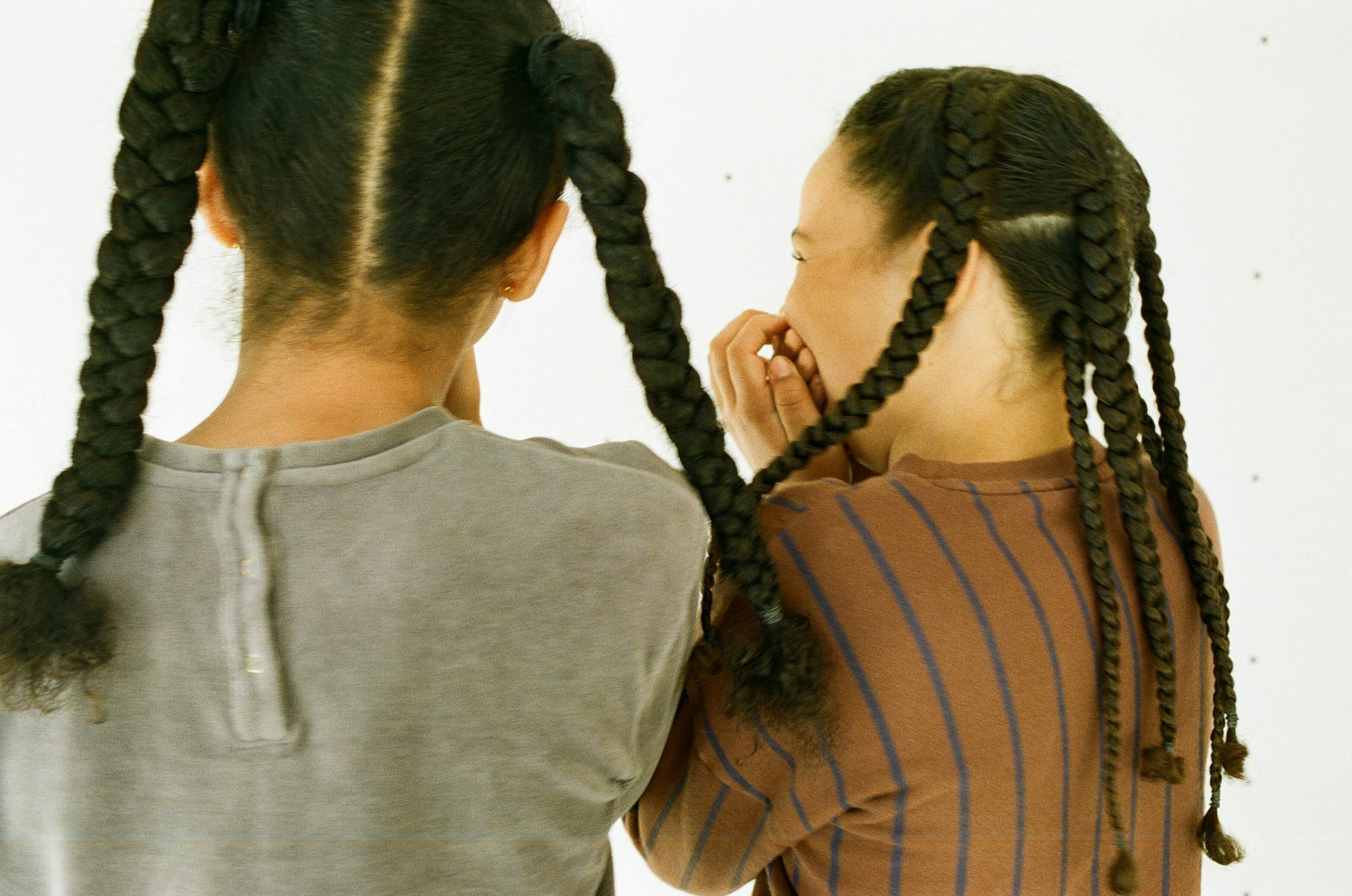
A dinner table where everyone is expected to participate
We didn’t do “kiddie” tables at Thanksgiving and family dinners. It was one table. If you didn’t have something to contribute, you listened, but you were invited to be part of the conversation. And if you were going to get in there, you better have something good to say, because it was usually a bunch of public-interest lawyers debating politics.
I think of that as a metaphor for our approach to parenting. My kids are exposed to these conversations all the time. Sure there are aspects that are unique to our family, but I think lots of families are similar, especially Black families and immigrant families. I strive to be honest and not sugarcoat, and I try my best to give them context for what’s going on in the world. I don’t always know if I’m doing it right. Of course I try to make things age-appropriate, but what’s important to me is that we are proactive about it.
The point is that kids have the capacity to understand. They are so smart and insightful. As a parent, I want to carry forward what was so formative to how I was raised.
"We didn’t do “kiddie” tables at Thanksgiving and family dinners. It was one table. If you didn’t have something to contribute, you listened, but you were invited to be part of the conversation."

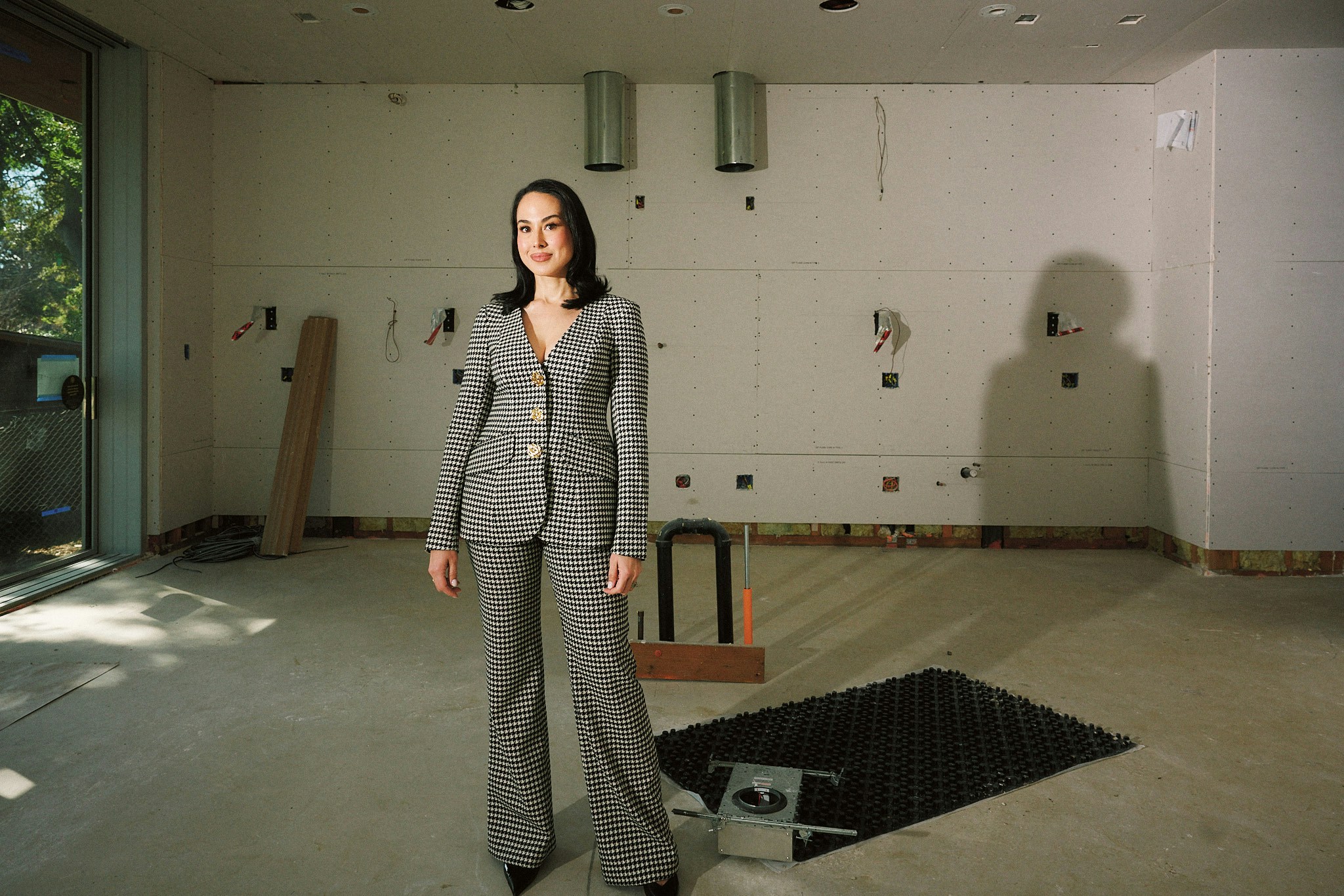
Men in power??? Where?
I grew up as an only child in a family of strong women, and in my eyes, they were the most powerful women in the world. I joke that it was like the opening scene of the Wonder Woman movie—the three of them just running around, seemingly saving the world. So the idea of men in power was personally foreign to me. It certainly wasn’t common in my house.
We do live in a society where many people still don’t want women to have power. Unfortunately that’s what my daughters will be exposed to, even though they also have the benefit of being exposed to powerful women in our family. But progressive parents today seem to be much more intentional about raising boys, too. It’s obviously just as important. Moms have incredible power to shape the next generation of men.

"I grew up as an only child in a family of strong women, and in my eyes, they were the most powerful women in the world. I joke that it was like the opening scene of the Wonder Woman movie—the three of them just running around, seemingly saving the world. So the idea of men in power was personally foreign to me."
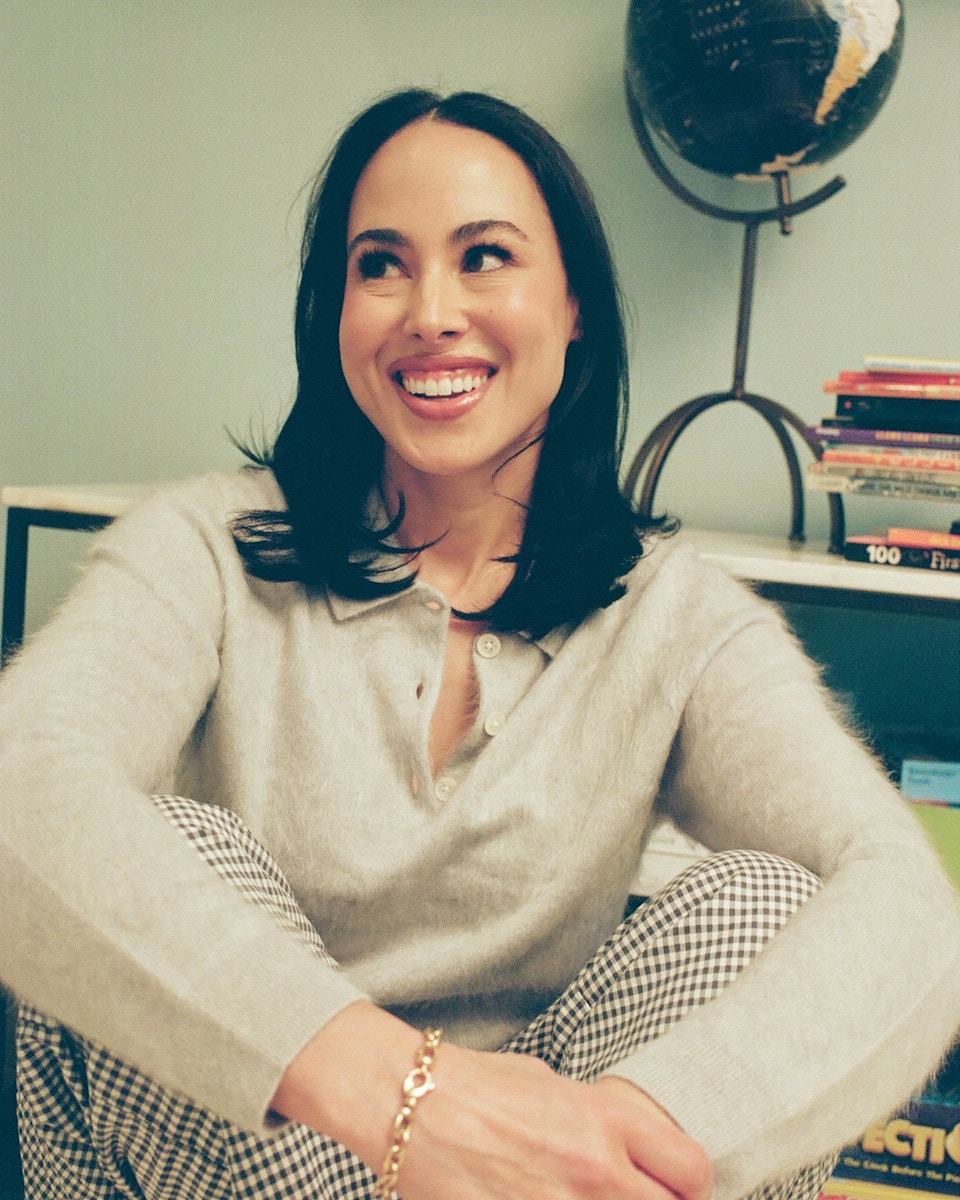
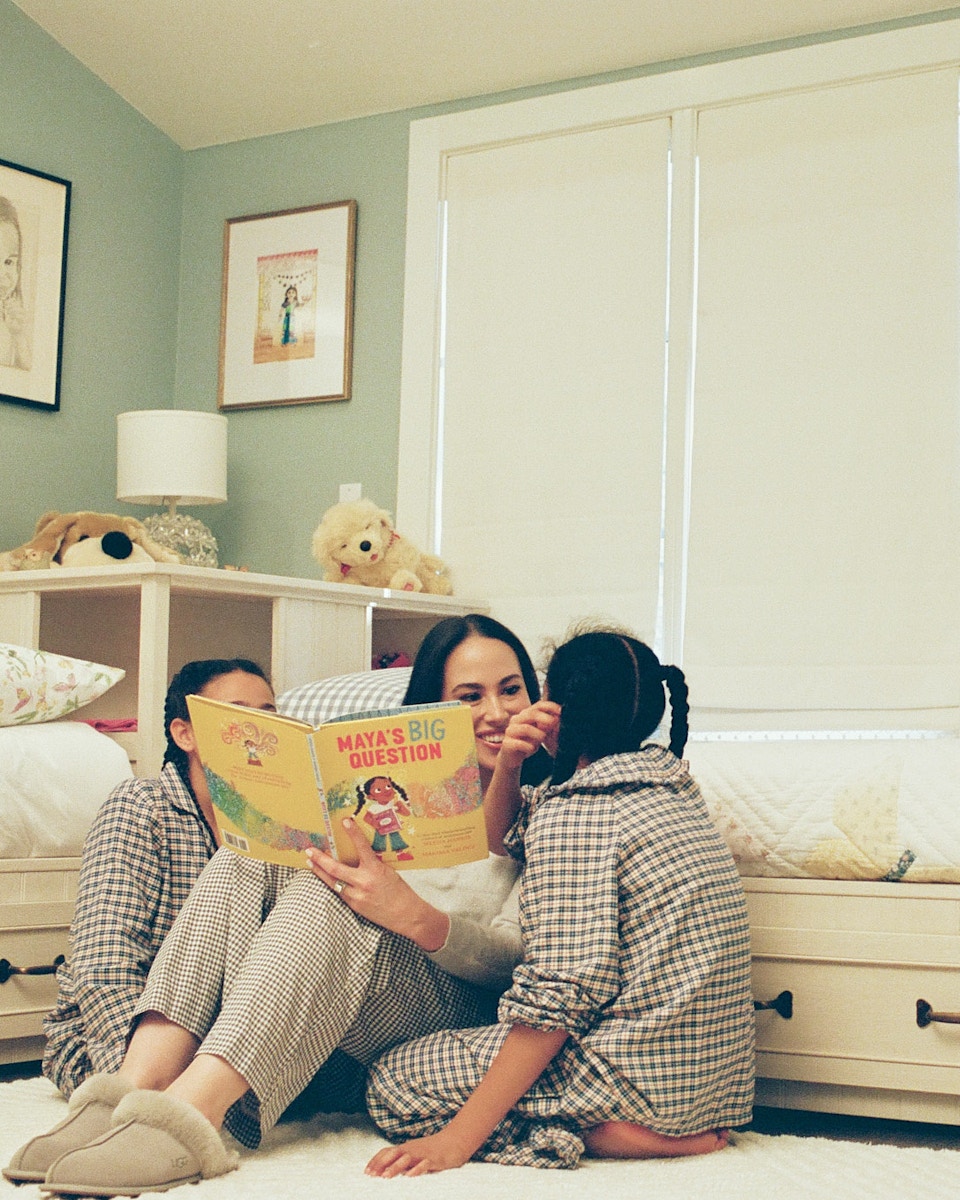
How do we help our kids ask the right questions?
At the same time our kids are growing up in a very different world than we did. Now our dinner conversations might include topics like AI, or god forbid, MrBeast. Another thing I didn’t expect about becoming a parent.
I also think about how to handle these discussions through the lens of being a kids’ book author. When my first book came out in 2020, so much was happening. At that time especially, parents would often tell me they felt unprepared to talk to their kids about what was going on. In some sense, it’s why I started writing children’s books. They have this unique power to convey big ideas in ways that feel accessible. I think of picture books as a toolbox. I’m now publishing my fifth book, and it’s about encouraging kids to question the status quo. That may sound advanced for 4 year olds but it’s really about sparking and validating their curiosity, and encouraging them to ask ‘why,’ which they’re already very good at doing.
I can’t predict every political, cultural, or historical topic my daughters will encounter. But I can talk to them and give them a space to talk to me. We can help them build confidence and set them up for success so they know how to ask the right questions, to know the difference between right and wrong, and to speak up if something doesn’t feel right.

"I can’t predict every political, cultural, or historical topic my daughters will encounter. But I can talk to them and give them a space to talk to me. We can help them build confidence and set them up for success so they know how to ask the right questions, to know the difference between right and wrong, and to speak up if something doesn’t feel right."