Forever Young
Words by Mackenzie Wagoner
That my face is aging should be one of the least surprising things about being alive. I exist, therefore I age. I look in the mirror and see the hours—how the present draws its map of the future.
Since Cleopatra bathed in donkey milk and Empress Elisabeth of Austria slept in a leatherbound mask of raw veal and macerated strawberries, women have engaged in a battle against decay none of us were ever meant to win. Lately, though, we’ve begun to appear as if we finally might. Scientific and technological advances have made visibly aging a choice, one that nearly four million Americans have opted out of. The faces beamed at mine as I Zoom, swipe, stream, and click are as smooth as ice: taut, glistening, unmoving planes with eyes that blink and mouths that breathe. In meetings, across dinner parties, and at the playground, each tranquilly frozen forehead seems to exist in an altogether different reality than mine. For women with expendable income, wrinkles have become not a sign of life but one of neglect. Having them has begun to feel like a social gaff on par with wearing a stained shirt, as if it requires explanation.
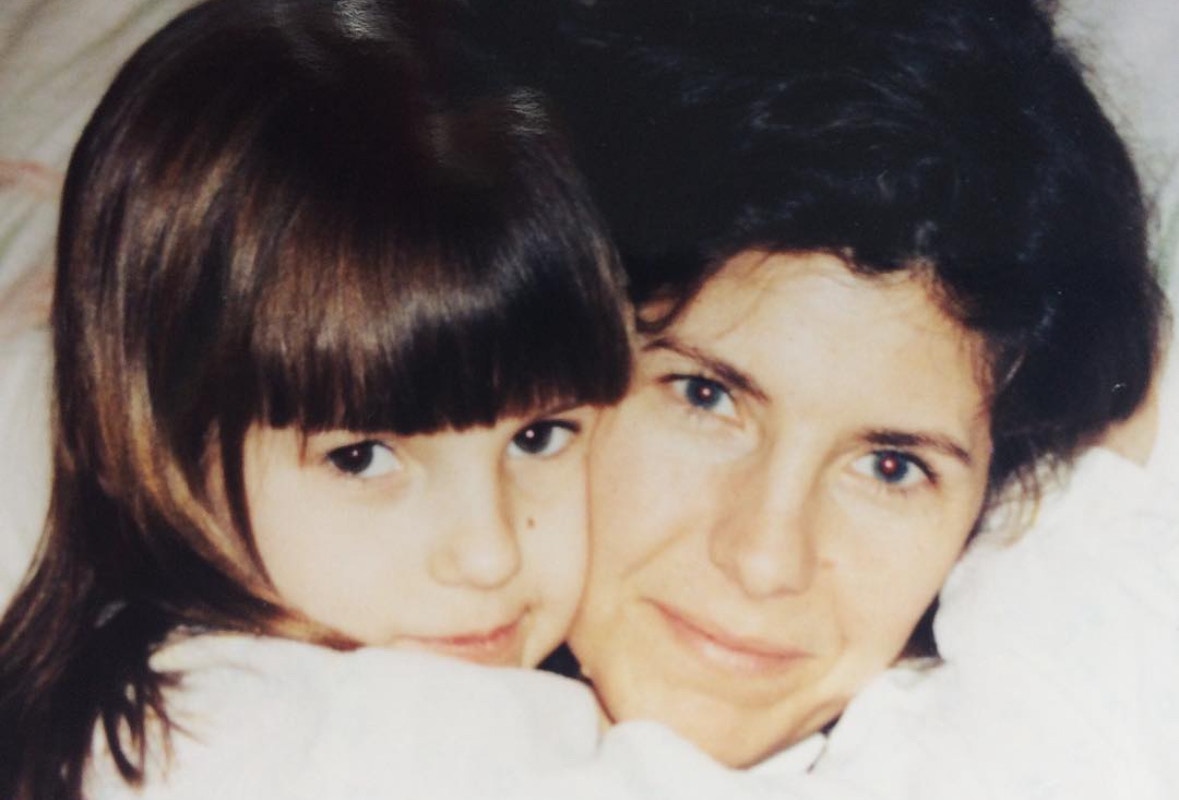
I can’t remember when I first learned that my face held value, only that the lesson felt ambient, like coos delivered over breastmilk. I do clearly remember learning about the advantages of youth. I was younger than 10 when I detected the twinge of envy in my mother’s friends’ voices when they told her, “Oh, Mary Lou, you look so young!” I studied their faces, deciphering what they meant: her cheeks a little higher, her skin a little tighter, her eyes a little brighter than theirs.
The first time I was invited to buy youth was 2013. I was 26, a newly minted editor at Into the Gloss—the beauty website that would go on to launch Glossier—when a press email arrived with the subject line “Botox and Bellinis,” a glib alliterative proposal that would later become the draw of bachelorette weekends and open houses on Selling Sunset. Despite the casualness of the invitation, it was novel. No one I knew nor interviewed had done it. I still slept in my eyeliner. I barely wore sunscreen. I wasn’t thinking about losing my youth. The year before, my father had died at age 59 from stage-four cancer. My mom held the same terminal diagnosis. She was trying to come to terms with the idea that she would never grow old. I was too.

"That my face is aging should be one of the least surprising things about being alive. I exist, therefore I age. I look in the mirror and see the hours—how the present draws its map of the future."



" I barely wore sunscreen. I wasn’t thinking about losing my youth. The year before, my father had died at age 59 from stage-four cancer. My mom held the same terminal diagnosis. She was trying to come to terms with the idea that she would never grow old. I was too."
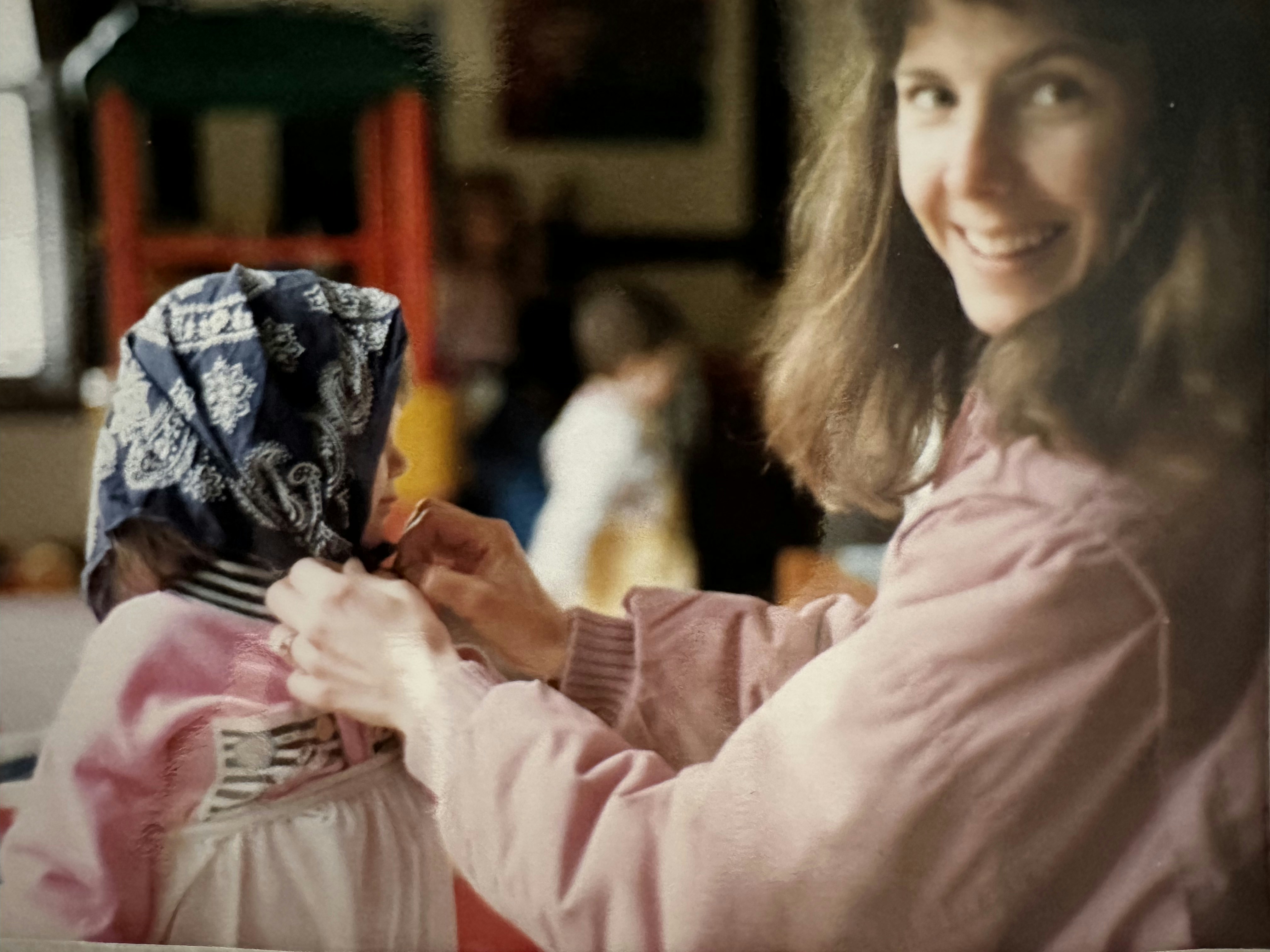
Over the next four years, at Into the Gloss and, not long after, Vogue, I would sit through daily meetings with researchers, experts, and entrepreneurs claiming to have found a way to “stop the clock” or “turn back the hands of time.” I would witness the tools of retouching migrate from professional photographers to phones. I would write with concern about celebrities digitally morphing their already bar-setting physiognomies into social media abstractions, then would watch, mouth agape, as they surgically transformed themselves into these imagined realities. I would lose my mother years before I turned 30.
I grieved quietly, experiencing each press release promising eternal youth as a prick, a nerve-fraying absurdity affronting the reality I was being forced to accept: that of course we have no control of time; that we’re all going to die.
But I kept writing about it. My job in those years was to distill what luxury is in every form: how to vacation better, how to find the most exquisite strawberries, how to breathe luxuriously. And it helped me to consider why and how agelessness, or perhaps named more plainly, chronophobia, had superseded our other memetic desires. It makes sense. At a time when we can sell almost everything, time is the last untamable resource. The privilege of ignoring it—or at least disguising its passage—is one of diminishing returns. The more time you’re given, the more you must spend.
"I grieved quietly, experiencing each press release promising eternal youth as a prick, a nerve-fraying absurdity affronting the reality I was being forced to accept: that of course we have no control of time; that we’re all going to die."

By 2016, the contradiction between what I was writing and what I believed had become untenable. I marched for women’s bodily autonomy and came home to file stories about “crop top-worthy abs.” I interviewed women who had reshaped entire industries and turned the conversation away from their lives’ many accomplishments to the still-required questions of how they became and stayed hot. While profiling an Oscar-winning actress 20 years my senior, I felt her mood sour when I asked about “aging gracefully.” The exhaustion in her silence has never left me.
I left beauty media not long after. The more distance I gained from the industry, the more I realized that what I’d been documenting, and in many ways propagating, had metastasized. What had once been a niche obsession of the very rich and very famous had become the governing condition of being a woman in public: the expectation that you must always appear as if time is a choice.
Since then, I’ve grown increasingly disturbed by the perception drift we’re having as a culture, the psychological phenomenon in which a person loses touch of what an actual human woman’s face looks like. Anne Hathaway and, more recently, Emma Stone appeared postpartum looking snatched tighter and higher than they did in their teens. Kris Jenner drew comparisons to The Substance when she debuted her new facelift at this fall’s Paris Fashion Week. When the Instagram account @celebface posted a side-by-side of Jennifer Lopez at the Met Gala in 1999 and 2024, I could spot no discernible difference in Lopez’s appearance aside from her dress. A quarter century had passed and yet, there she remained, a still point in a turning world.
By contrast, when Julia Roberts’s niece shared a casual photo of the two of them playing cards—an exceptionally gorgeous woman in her fifties appearing to have experienced some vicissitudes of time—the comments section turned vicious enough that the image was deleted. Roberts later was compelled to make a public statement about her aging face.

"By 2016, the contradiction between what I was writing and what I believed had become untenable. I marched for women’s bodily autonomy and came home to file stories about “crop top-worthy abs.”"
Our understanding of the space time continuum is only forecasting further adrift. Now, on TikTok, today’s 26-year-olds describe themselves as “aging like milk.” Botox usage jumped a record 23% in 2022. The anti-aging market—currently worth 62 billion dollars—is projected to hit 93 billion by 2027. This is driven by women, barely 30, requesting deep-plane facelifts, and girls as young as nine demanding retinol. Skincare brands, like Rinii, launched by Shay Mitchell this November, are taking note, creating calming and recovery products for ages “two and up.” Childhood curiosity about beauty has mutated from play to prevention, from fun to fear.
I wish I could have changed this from the inside. Encouraged women to wear their time louchely, like new money. All at once. Line by line. Chronophilia—what could be more luxurious?
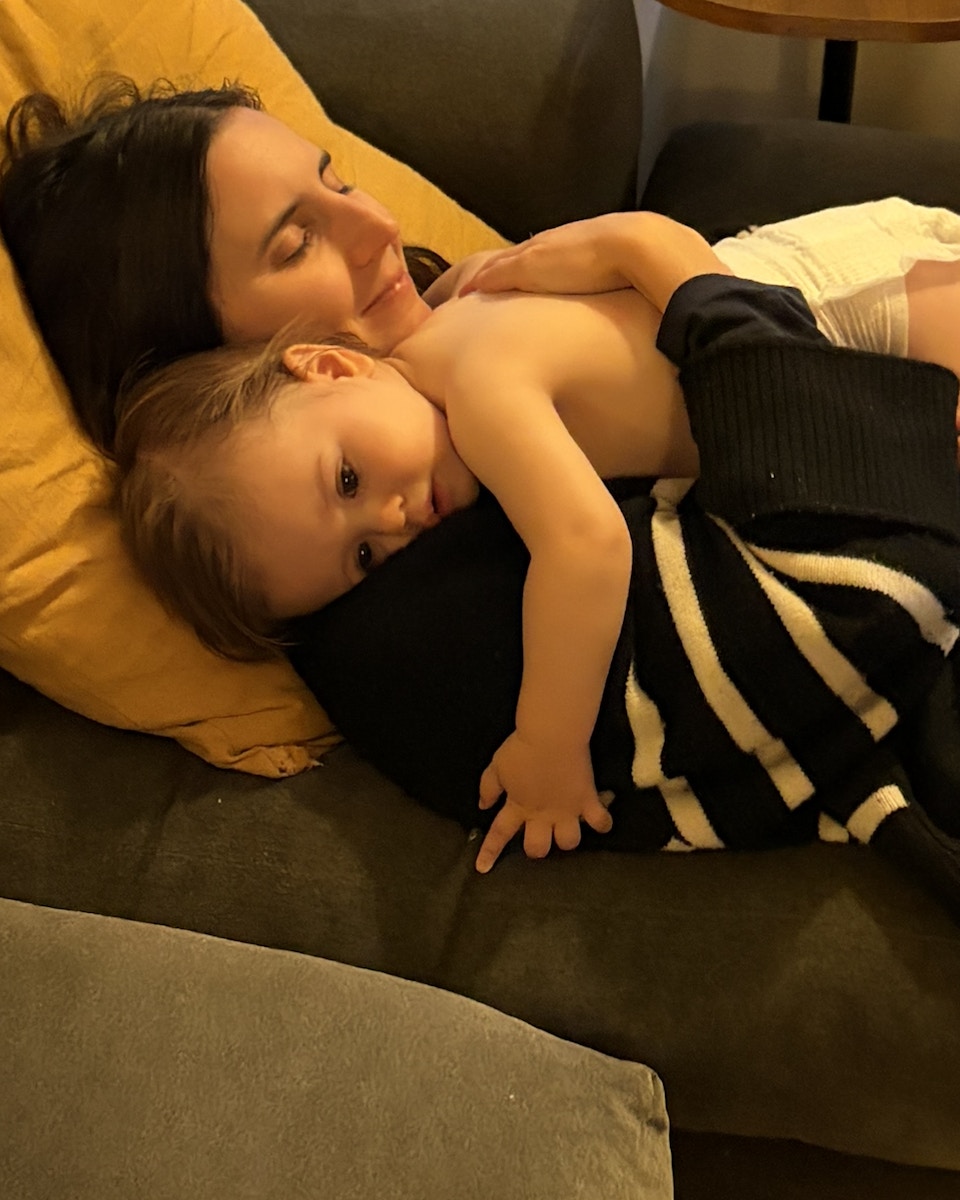
Genetically speaking, I’m not promised a long life. Like my parents, all but one of my grandparents died before turning 60. Growing old is a dream I have trouble believing I will ever reach. Two years ago, I gave birth to stillborn infant twin daughters. Their slow growth and sudden loss added years to my face that they will never see.
"Genetically speaking, I’m not promised a long life. Like my parents, all but one of my grandparents died before turning 60. Growing old is a dream I have trouble believing I will ever reach. Two years ago, I gave birth to stillborn infant twin daughters. Their slow growth and sudden loss added years to my face that they will never see."
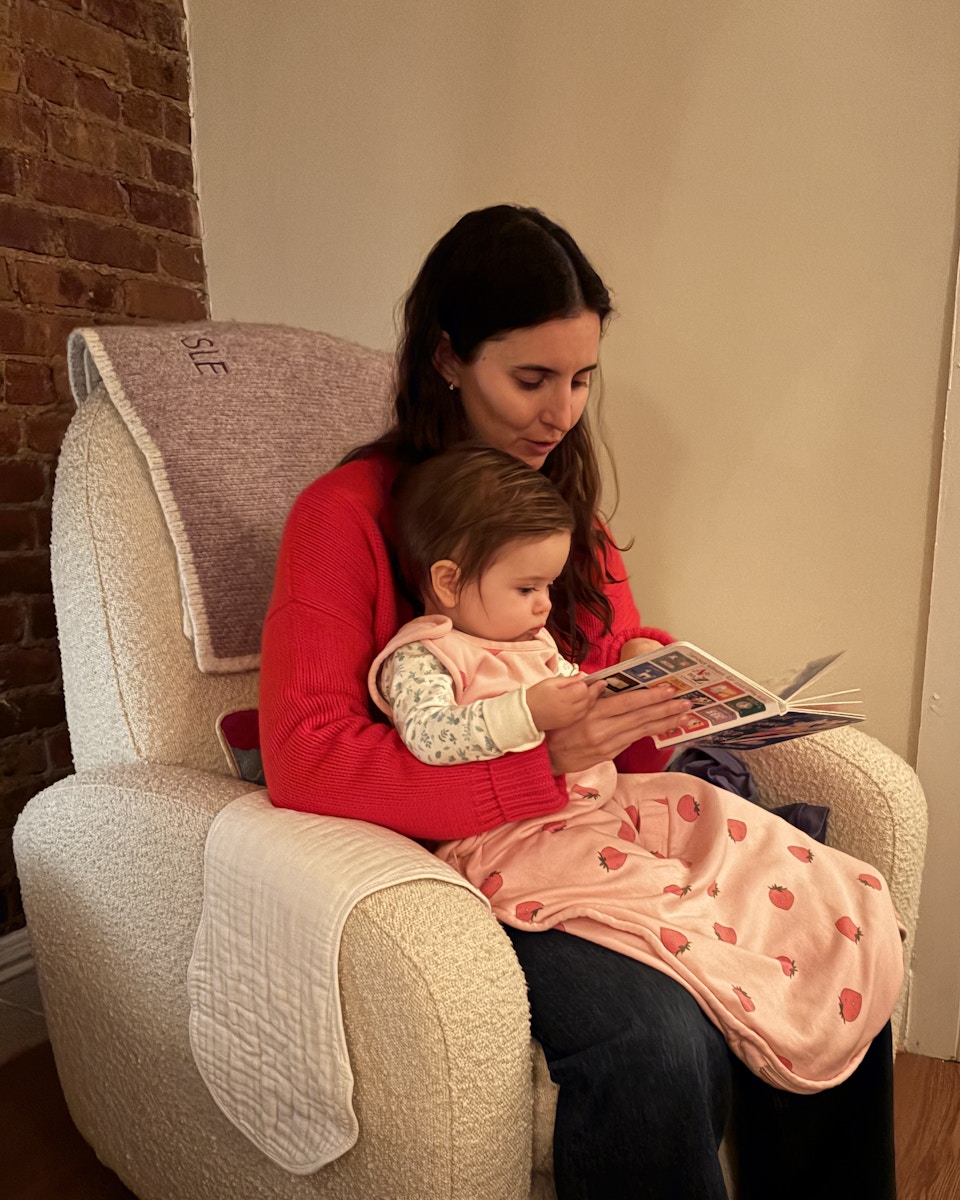
Today at 39, as my third and only living daughter turns one, I look in the mirror and see the exhaustion of loss, the joyful drain of motherhood. I sometimes pull my eyebrows up, smooth my hands over new or deepened wrinkles. I am not immune to the draw of agelessness.
Then I run into my mother’s friends, who gasp, bring their hands to their chests, and say, “Oh, Mackenzie, you look just like your mother.” Sometimes I catch her looking back at me in my reflection. When that happens, my heart lifts with the hope that I might get to see her age in a way life never afforded. And if I’m truly lucky, my daughter will witness that too.
Mackenzie Wagoner is a freelance writer, editor, and brand builder based in New York. A former editor at Vogue, Architectural Digest, and Into the Gloss, she has been pregnant twice, grown three babies, and is the mom of one free-spirited, determined, living toddler.