My Nonbinary Kid Understood This One Thing
Words by Alexis Barad-Cutler
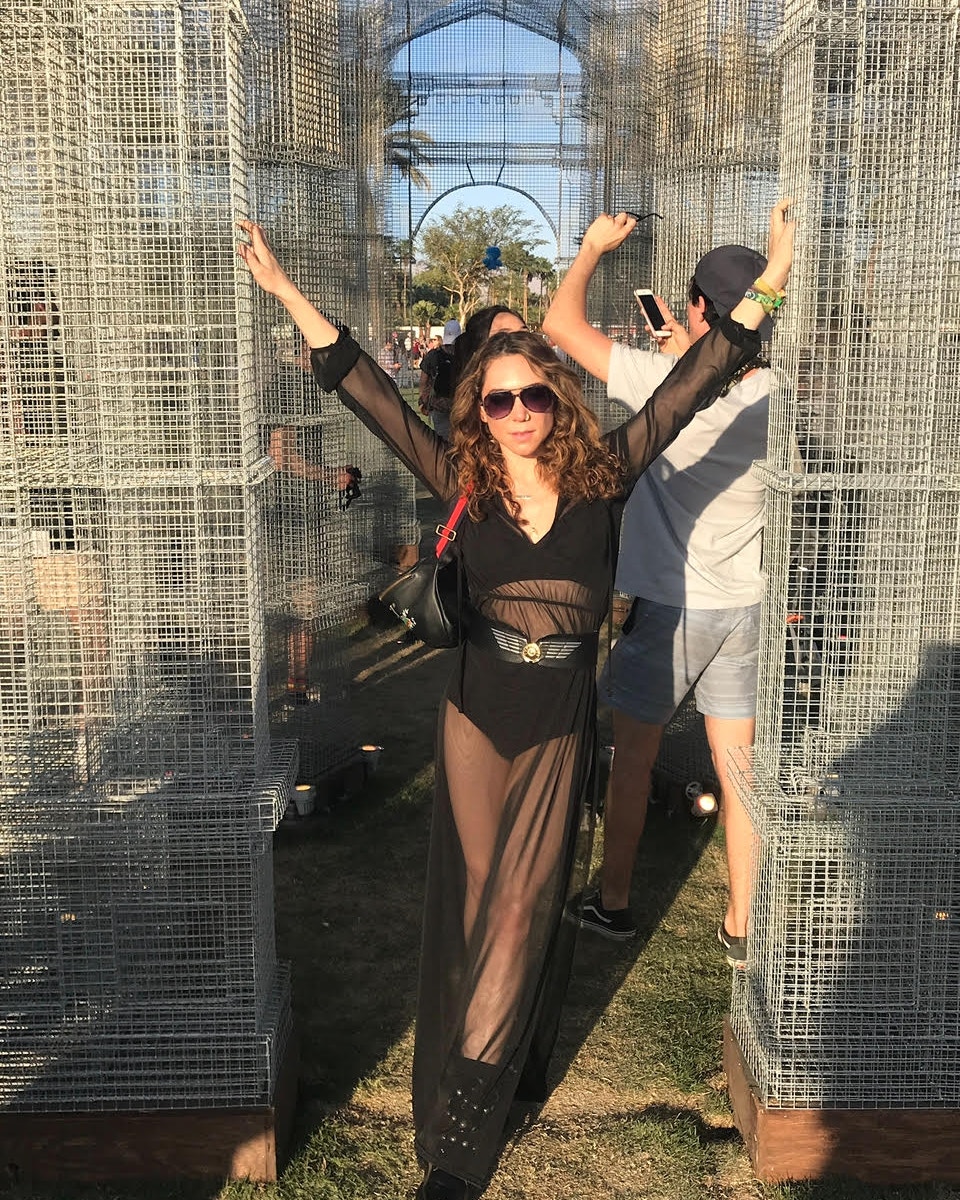
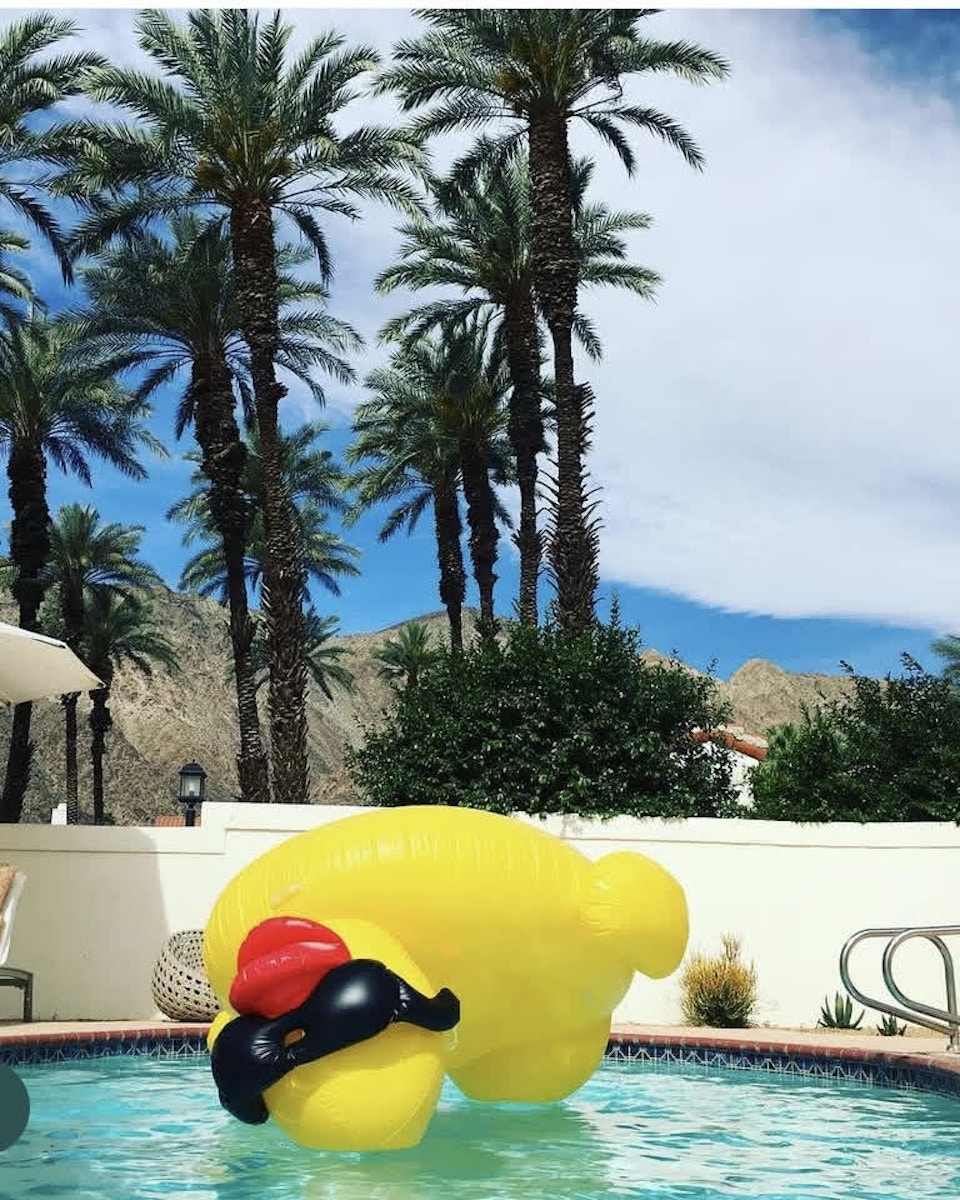
It happened while I was straddling a duck-shaped pool floatie on a long-awaited trip to Coachella with my husband. Our kids, then ages three and five, were at home so I should have been having the time of my life, or at least enjoying a piñna colada, but all I could think about was how my full C-cup breasts had deflated into a negative-A since I’d stopped breastfeeding. I was 36, surrounded by lean, tan women a decade younger, and feeling like the aging chaperone at a party no one invited her to.
Then—perfect timing—my husband snapped a photo. I swam over to delete it. I didn’t want a souvenir of the way my bikini cups draped over the empty space where my breasts once lived, or how, beneath the elastic of my bottoms, a Cheshire-cat-shaped scar from my C-sections grinned in silence.
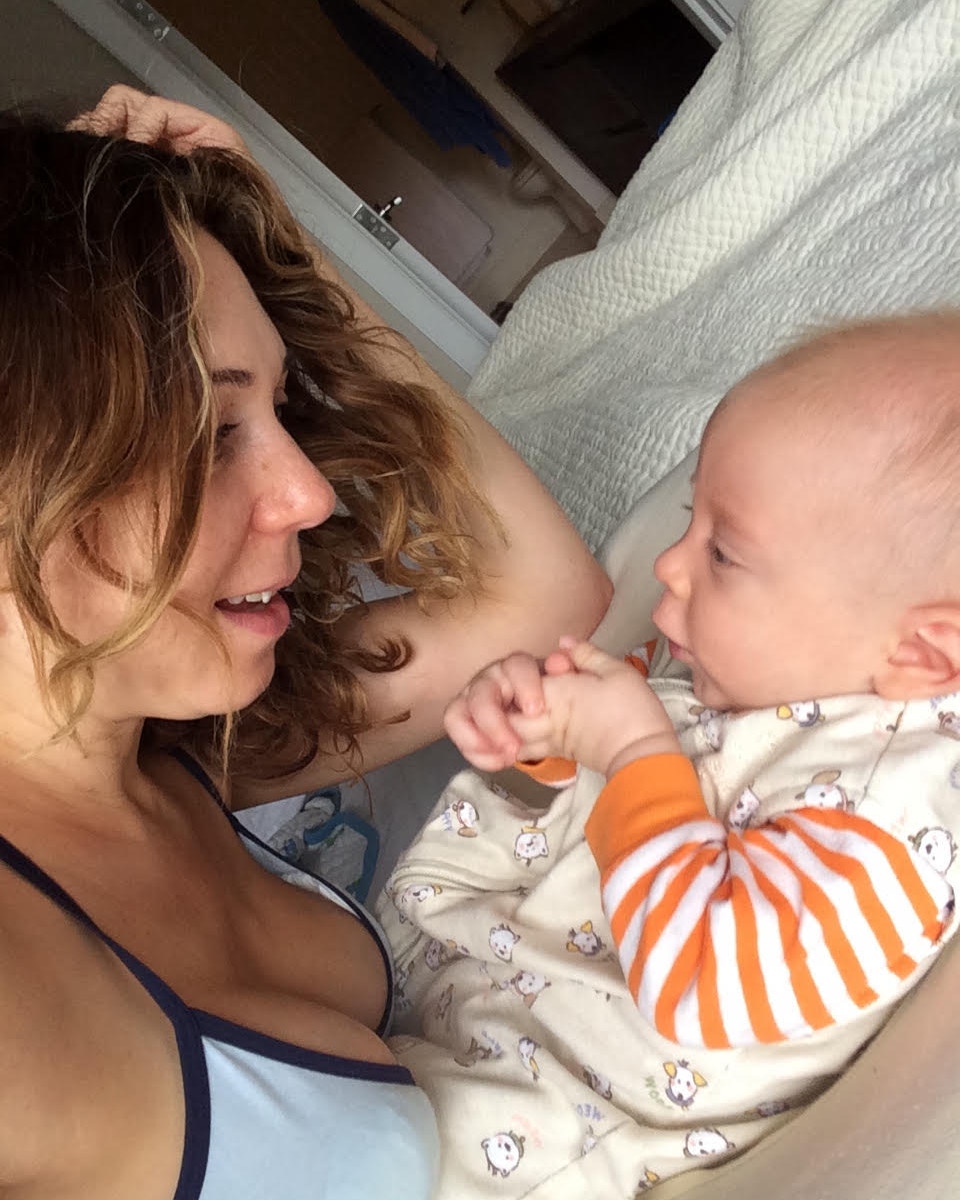
I respected the hard work and long hours those breasts had logged, back when they were my children's life-source, but I had not expected them to look this way after weaning. I figured that after a couple of months, the breast tissue would somehow repopulate, restoring me to—at least—the B cup I had before kids. Yet as time went by, it became clear the body I’d inhabited my whole life had gone AWOL, along with a firm grasp of who I was as an individual outside of a loving wife, and doting mother. On top of it all, my husband and I were navigating the new dynamic our marriage had taken on after the messiness of parenthood surfaced. I believed that if only I could return to how I looked before motherhood, I might also recover the person I once was.
"I respected the hard work and long hours those breasts had logged. I figured that after a couple of months, the breast tissue would somehow repopulate. Yet as time went by, it became clear the body I’d inhabited my whole life had gone AWOL, along with a firm grasp of who I was as an individual outside of a loving wife, and doting mother."
Back in New York, I booked an appointment with my OBGYN—the only person in my life as familiar with my breasts as my husband—to ask about getting a boob job. After ruefully telling me my breasts were never going to return to their pre-baby size and shape, she offered the name of a plastic surgeon. I scheduled the surgery for October.
In the months leading up to it, I fantasized in front of our bathroom mirror about what my new body would look like. I don’t know how much of my behavior my children took in during those moments, if they noticed when I’d wander away from building MagnaTiles with them or having a tea party with Belle and Rapunzel, to scowl at my reflection. I don’t know if my kids saw me lean toward the full-length mirror, peering down my shirt to study the skin on my chest—how it draped loose from my torso, my breasts having quietly surrendered the fight. But I do know that my fantasy breasts took up an enormous amount of psychic real estate.
And yet they never materialized. Several hours after my surgery, in blinding pain, I was wheeled into the ER at New York Presbyterian—the same hospital where I had had my two C-sections. My doctor opened me back up for the second time that day to clean the blood that had pooled around the implant. Seven months later, I would get my third surgery—a revision surgery to put my right breast where it belonged: next to the left. But even after I healed from all the surgeries, I was still the same me. My new breasts did not make me look like the hot young girls from Coachella. They didn’t transform me into a woman who knew what my purpose was, or the person I was before being marred by the scars of motherhood.
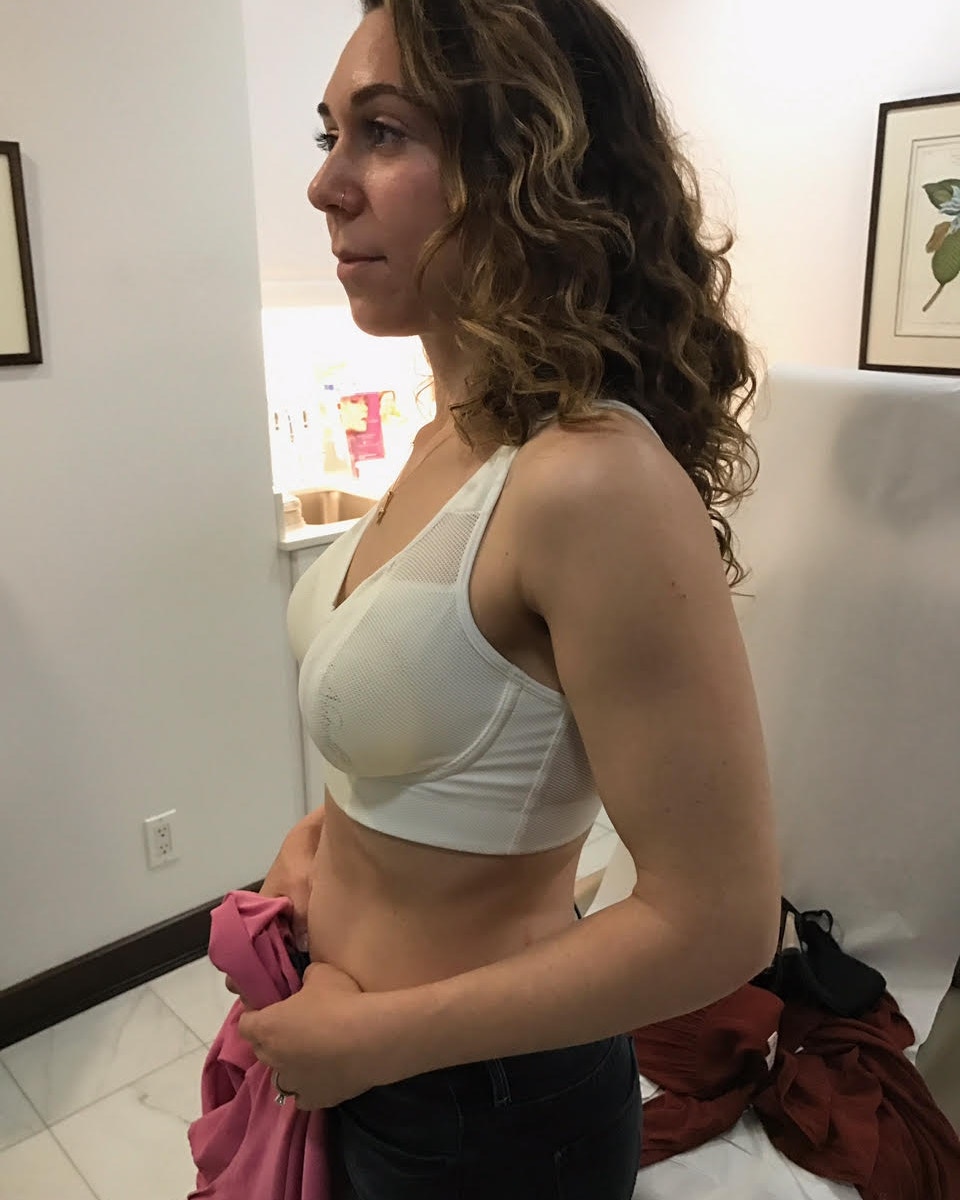
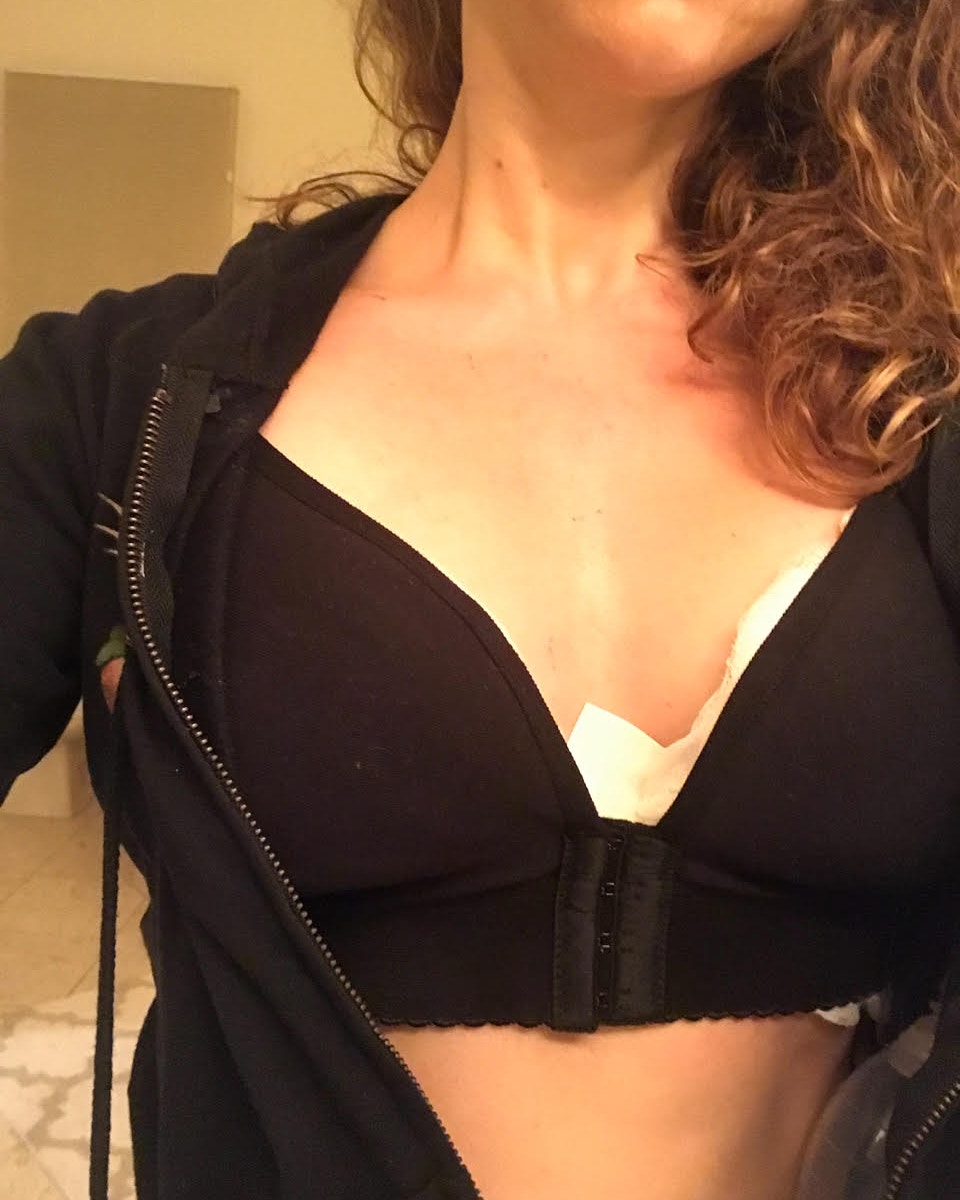
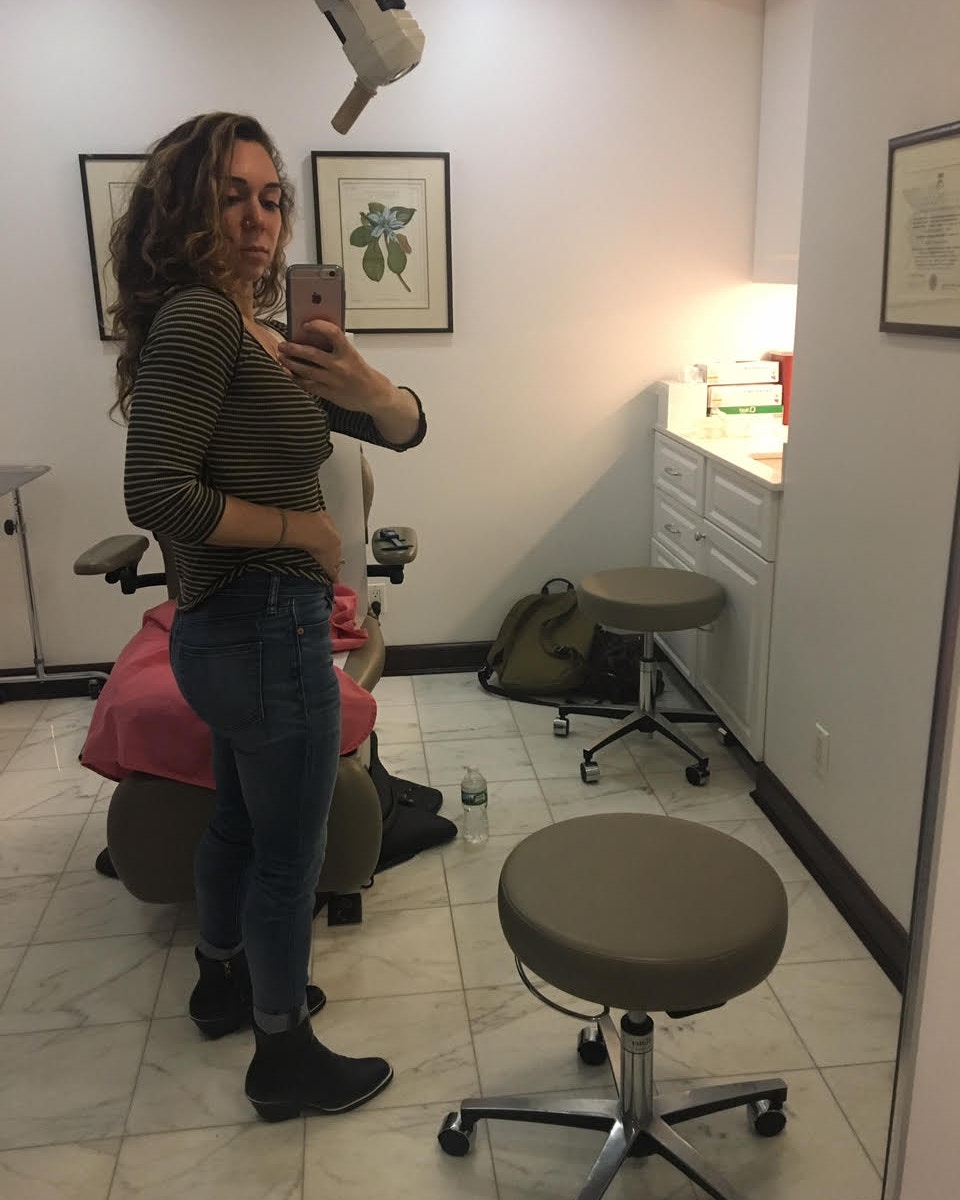
"I don’t know if my kids saw me lean toward the full-length mirror, peering down my shirt to study the skin on my chest—how it draped loose from my torso, my breasts having quietly surrendered the fight. But I do know that my fantasy breasts took up an enormous amount of psychic real estate."

About a year later, our babysitter called me—unusual, because we normally texted. I got up from my work lunch to hear her better. “Something just happened, and I want to make sure I’m handling this right,” she said. She recounted how my younger child—now aged four—was looking at themself in the mirror, and instead of their usual preening, they’d begun to seem agitated. They couldn’t understand why they didn’t have long hair, or why they didn’t look like the Barbies on TV, or their princess dolls. My brain flashed to the way I would often stare at Instagram models on my phone, feeling frustrated that my body looked nothing like theirs.
My husband and I had done our best to create a world of expansiveness when it came to our children's gender identities, nurturing both “girl” and “boy” activities, and reading them bookshelves of stories featuring characters from across the gender spectrum. But at the same time, I’d also been populating their environment with the kids version of my Instagram girl obsession: Dolls with impossibly tiny waists and perfectly perky boobs, television shows where the female character’s heroes journey always seemed to be about getting ready for a date, and kids movie icons with shiny, flowing hair and slender shoulders. In my eagerness to welcome all things “girl” into our home, to give our children freedom to decide who they wanted to be, I’d been showing them caricatures of what it means to be a girl. And then I’d gone and turned myself into a caricature too, by trying so desperately to create the body—a sexy, youthful, uber feminine body—I felt I needed to feel whole.
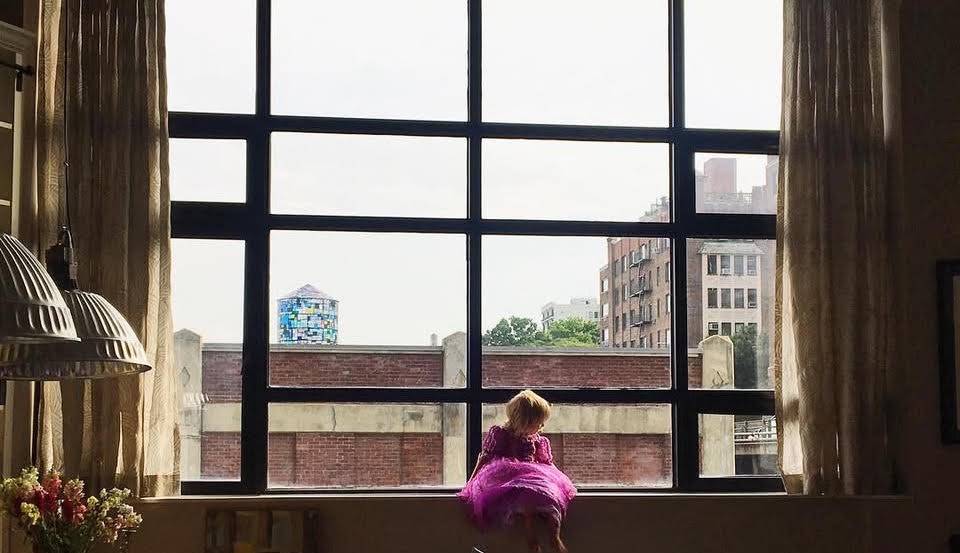
At around age seven, our child informed their brother, my husband and I to stop calling them a boy. “I’m not a girl, or a boy,” they said. “I’m nonbinary. Call me ‘they’.” Now, at age 11, they have hair that falls down to the middle of their back, they wear a lot of sparkles and favor the colors pink and purple.
"In my eagerness to welcome all things “girl” into our home, to give our children freedom to decide who they wanted to be, I’d been showing them caricatures of what it means to be a girl. And then I’d gone and turned myself into a caricature too, by trying so desperately to create the body—a sexy, youthful, uber feminine body—I felt I needed to feel whole."
It is only in hindsight that I realize how I was more than comfortable creating an environment where my kids’ identities were not defined by something as arbitrary as liking pink or blue—while I was hingeing so much of my own identity on my feminine appearance. While I was teaching my kids to be curious about themselves, that the concept of gender was basically a man-made fiction, I couldn’t see how little wiggle room I was allowing myself as a woman.
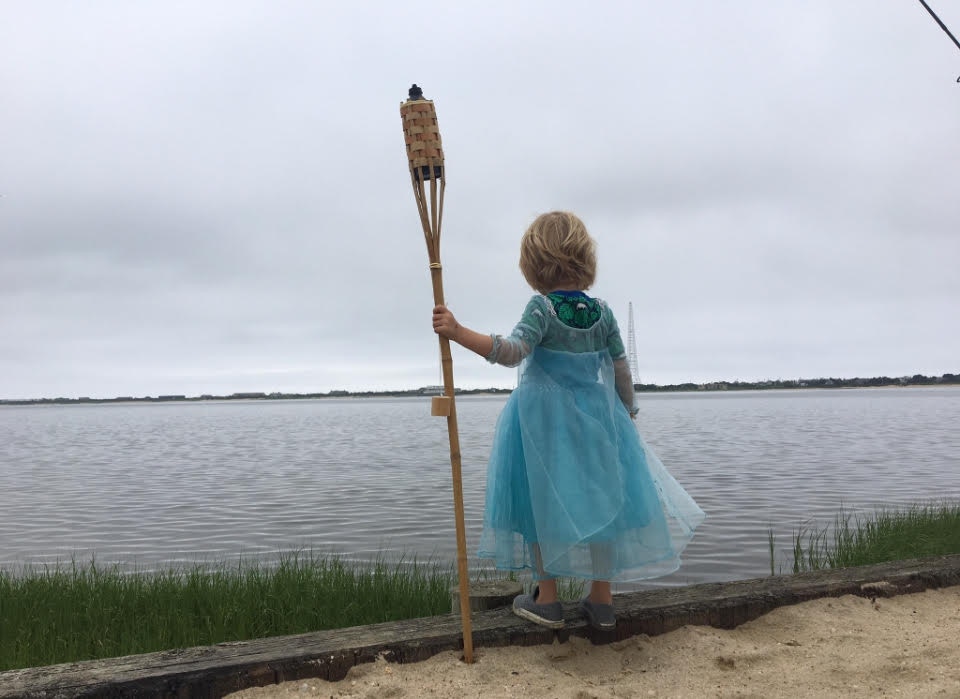
I hadn’t been able to see until now that our child didn’t see themselves the way the world saw them. Our child lived life feeling exactly like who they thought they were, despite what they appeared to be on the outside. Sometimes I’d catch them floating around the apartment in the long Arielle the Mermaid wig stroking their hair. Or their satisfied smile as they admired their own reflection, smoothing down the tulle layers of one of their dresses, or practicing a pirouette. It took so little for them to embody the identity they felt they were inside. Why did I feel like I needed to permanently alter my body in order to feel like the woman I used to be?
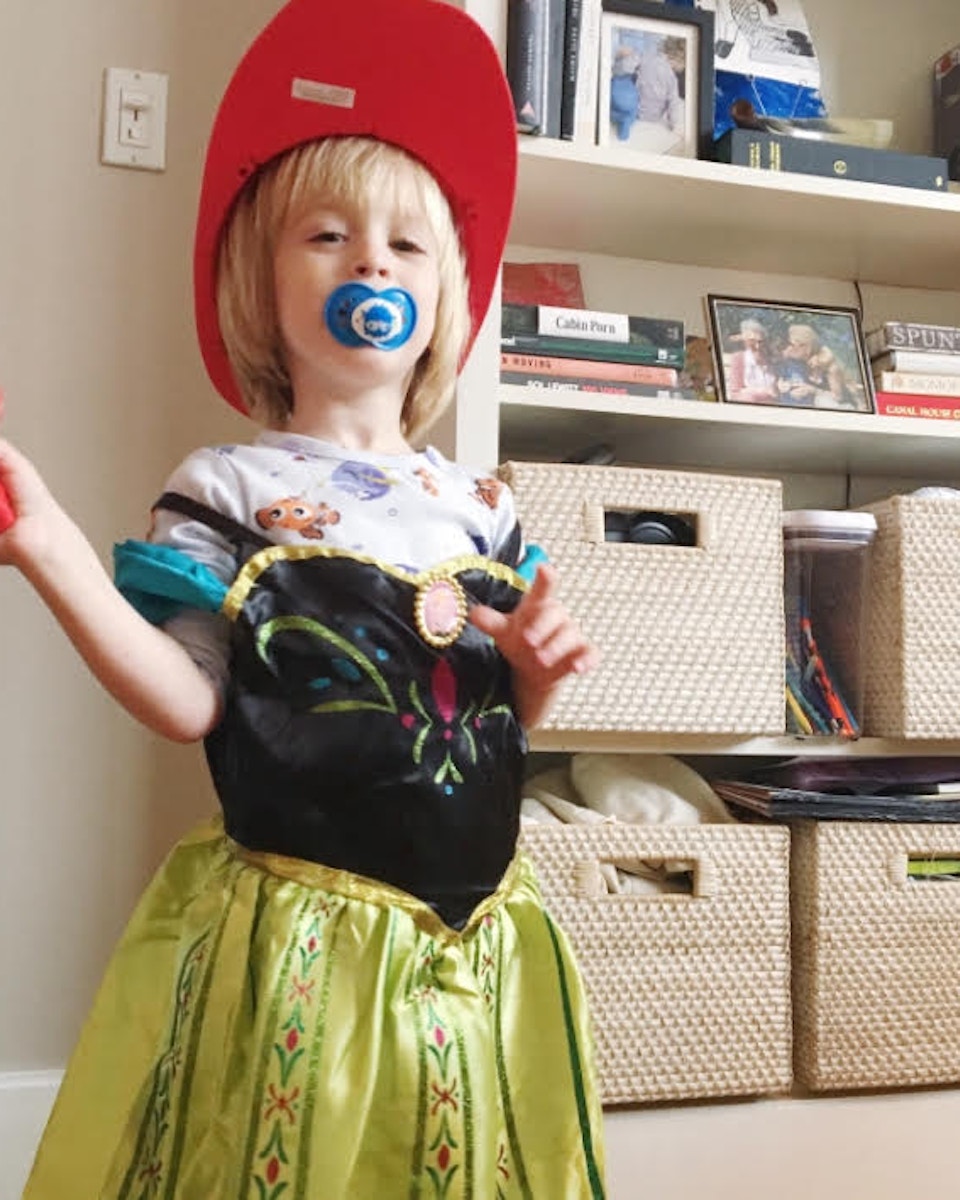
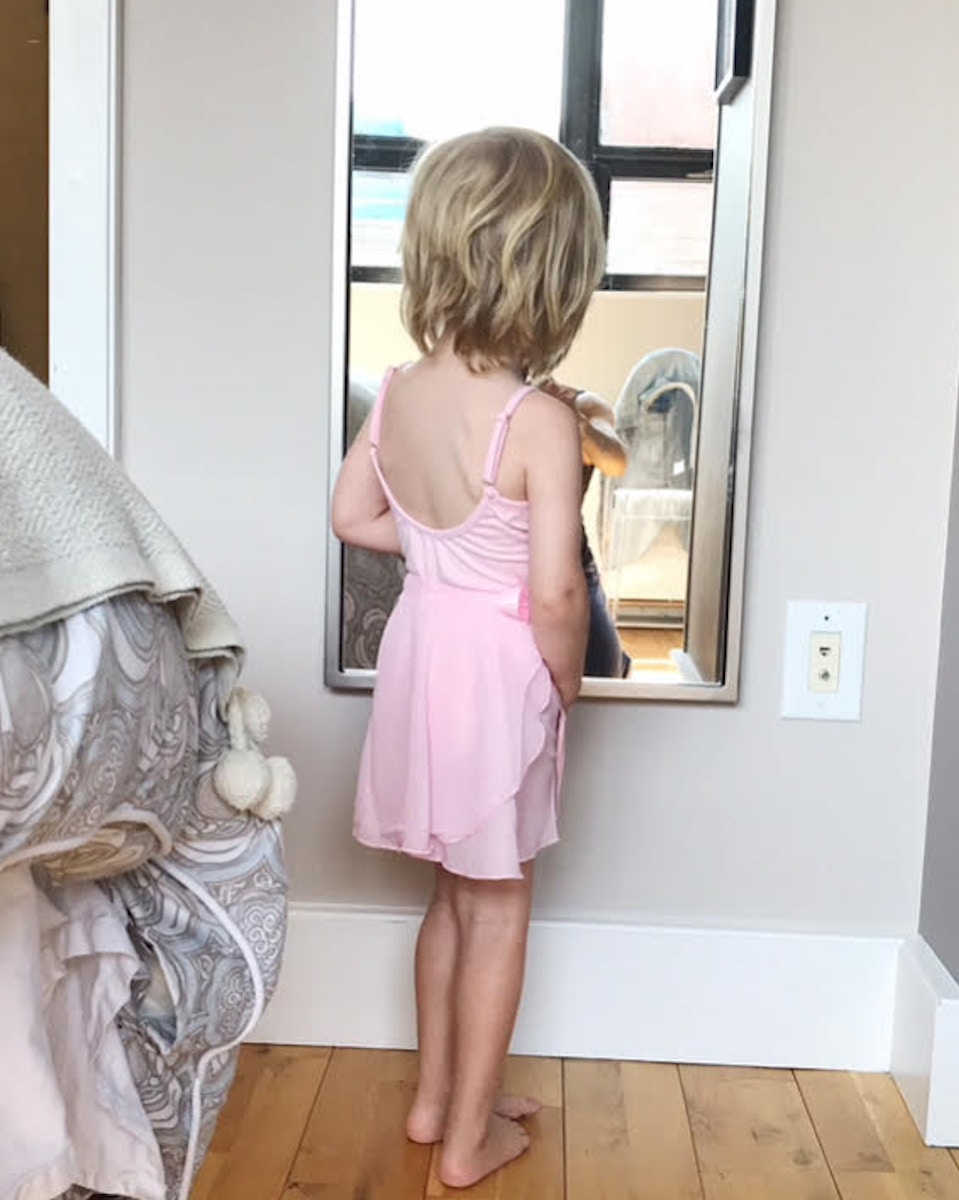
"It took so little for them to embody the identity they felt they were inside. Why did I feel like I needed to permanently alter my body in order to feel like the woman I used to be?"
It’s taken me a long time—45 years—to become the woman and mother I am, and to pry loose toxic beauty culture’s hold. What I know now, thanks to my own journey and my kids’ example, is that living in a body isn’t about picking a certain type of shoe and figuring out how to contort oneself to fit into it. It isn’t necessarily about transformation. Identity can be something far more expansive, evolving, and malleable.
Alexis Barad-Cutler is a writer and the founder of Not Safe For Mom Group. She writes the Substack In Our Own Skin, where she explores motherhood, the beauty complex, and how aesthetic ideals shape our identities and bodies. She lives in Brooklyn with her husband, a teen son, a nonbinary tween, and an attention-hogging dog.